A-B-C Blog

7 Best Packing Machines for Global Buyers?

Choosing the right Packing Machine is rarely a simple price comparison. Global buyers face different products, climates, labor costs, and production targets. A machine that performs perfectly in a dry European warehouse may struggle in a humid coastal facility. This guide examines seven practical options for different packaging needs, from compact tabletop sealers to automated form-fill-seal systems.

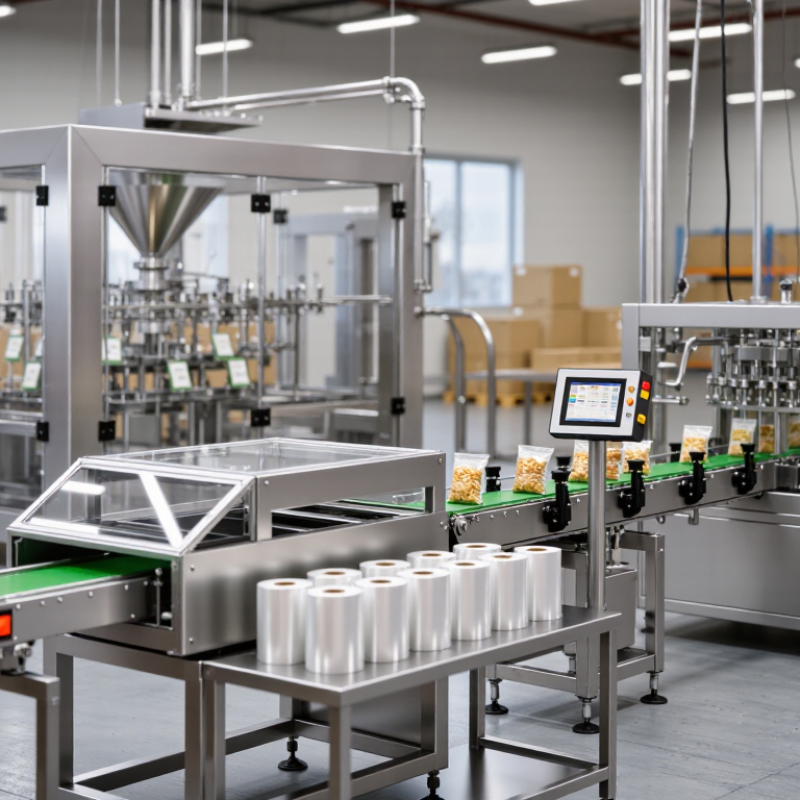
The evaluation focuses on real purchasing concerns. We consider sealing consistency, filling accuracy, operating speed, changeover time, cleaning access, and energy use. We also examine documentation, spare-parts availability, training, and after-sales support. These details matter when a machine operates for eight hours daily beside a busy production line. A clear control panel can reduce mistakes. A sturdy stainless-steel frame can simplify sanitation and maintenance.

No single machine suits every buyer. That is the uncomfortable part. Some models look efficient during a showroom demonstration but perform differently with actual materials. Film thickness, product shape, dust, and temperature can change results. Buyers should request sample testing and review warranty terms carefully. Local electrical standards and workplace requirements also deserve attention. We may overlook small factors, especially when comparing attractive specifications.

This introduction supports a balanced review of seven leading packing solutions. Each option is discussed through performance, suitability, limitations, and long-term value. The goal is not to promote the most expensive equipment. It is to help importers, manufacturers, and distributors make a dependable decision with fewer surprises after installation.
7 Best Packing Machines for Global Buyers?

What Packing Machines Are and Why Global Buyers Need Them

Packing machines are systems that prepare products for storage, shipping, and retail display. They can fill pouches, seal cartons, wrap pallets, or label containers. Some use sensors to measure weight and detect empty packages. Others automate repetitive sealing tasks that workers may perform inconsistently during long shifts. For global buyers, this equipment can improve output, reduce material waste, and protect goods during extended transport. A sealed package also gives customers a clearer, more professional buying experience.

The right machine depends on the product, package size, production volume, and destination conditions. Powder, liquid, fragile items, and fresh goods require different handling methods. Buyers should check sealing accuracy, cleaning access, spare-part availability, operator training, and power requirements before ordering. Voltage differences can create unexpected installation problems. I have seen projects focus heavily on speed while overlooking maintenance space. That decision often becomes expensive later. A practical test with real packaging materials is more reliable than a promising specification sheet.

Tips: Ask suppliers for sample runs using your actual product. Measure the package after sealing. Confirm the machine’s working speed under normal conditions, not only its maximum rate. Leave room for future product changes. A slightly flexible machine may serve better than a faster, highly limited model. Check technical documents carefully, especially electrical data and safety instructions. Keep written records of test results, service response times, and training details. These small checks help global buyers compare equipment fairly and avoid assumptions that look efficient on paper.

7 Best Packing Machines for Global Buyers

What packing machines are and why global buyers need them: the chart compares typical operating-speed ranges for seven widely used machine categories. Actual output depends on product type, package size, material, automation level, and line configuration.

Indicative industry throughput ranges shown in packages or completed units per minute.

How Packing Machines Are Classified by Product and Package Format

7 Best Packing Machines for Global Buyers?

Packing machines are best classified by the product they handle and the package format they create. Liquid fillers suit water-like drinks, sauces, and oils, while piston or servo systems manage thicker materials. Powder auger fillers measure flour, spices, and fine minerals. They need dust control and steady feeding. Granule fillers use volumetric cups or multihead weighers for rice, seeds, and small parts. Product flow matters greatly.

The package format narrows the choice further. Vertical form-fill-seal machines create bags from a film roll, often for snacks, grains, and powders. Horizontal form-fill-seal machines wrap bars, trays, and individually portioned products. Premade pouch machines open, fill, and seal ready-made bags. Cartoning machines place products into paperboard boxes, while case packers load finished cartons into shipping cases. These seven categories cover many common production needs.

A reliable selection starts with product tests, not a catalog photograph. Check viscosity, particle size, moisture, temperature, and target weight. Then compare pouch width, seal style, filling range, speed, and changeover time. A fast machine may perform poorly with fragile products. I have seen lines lose efficiency because cleaning access was ignored. That mistake is easy to repeat. Buyers should also request sample runs and measured accuracy data. Regional power standards, operator training, spare parts, and service response deserve equal attention. No single machine fits every factory, and that is worth admitting early.

Seven Leading Packing Machine Types for International Purchasing

7 Best Packing Machines for Global Buyers?

Seven Leading Packing Machine Types for International Purchasing

Global buyers should match the machine with product texture, package size, output, and destination requirements. Vertical form-fill-seal machines suit snacks, grains, powders, and other free-flowing products. Horizontal form-fill-seal machines create neat pillow, fin-seal, or wrapped packs for solid products. Premade pouch machines offer flexible presentation and quick format changes, although pouch supply can increase operating costs.

Rotary cup filling and sealing machines handle measured products such as dairy items, sauces, and granules. Liquid piston fillers provide controlled dosing for viscous materials, including creams and thick sauces. Cartoning machines place bags, bottles, or trays into cartons with consistent positioning. Case packing machines then group finished cartons for warehouse handling and export transport.

A reliable purchase review should include a sample test using the actual product. Ask for speed records, sealing results, cleaning procedures, electrical specifications, and spare-parts lead times. Check whether manuals support the buyer’s language and whether technicians can provide remote assistance. A lower quotation may hide difficult changeovers or costly custom tooling. That matters.

Machine performance can change with humidity, film quality, operator skill, and product temperature. No type fits every factory.

I would also question impressive speed claims without verified acceptance tests. A practical contract should define tolerances, training, inspection stages, and delivery documents for the destination market. Small details often decide whether international installation feels smooth or frustrating.

Which Features Matter When Comparing Packing Machines Worldwide

7 Best Packing Machines for Global Buyers?

When comparing packing machines worldwide, buyers should examine performance beyond advertised speed. A machine producing 60 packs per minute may slow considerably with fragile products or frequent size changes. Ask for test videos using your actual materials. Request measured results, not estimates.

Film compatibility matters. Check sealing temperature, bag dimensions, product weight, and material thickness. A machine should also support your local voltage and available power supply. Stainless steel construction helps in humid production areas, while removable contact parts simplify cleaning. Good controls should offer clear language options, fault alerts, and adjustable settings. Remote support is useful, but accessible local technicians remain important. Spare-part availability can decide whether a small fault lasts hours or several weeks. That detail is often overlooked.

Tips: Compare total ownership cost, not only purchase price. Include electricity, packaging waste, maintenance, training, and shipping. Test changeover time with an ordinary operator. Five minutes on paper may become twenty in practice. Ask for a written warranty, installation scope, and response time. Also check whether the machine can expand with future products. Overbuying capacity wastes money, but choosing too little creates constant pressure. I would leave room for uncertainty, because real production rarely matches a showroom demonstration. Review sample packs after storage and transport. A neat seal is not enough if corners wrinkle or labels shift.

7 Best Packing Machines for Global Buyers? - Which Features Matter When Comparing Packing Machines Worldwide

A practical comparison of widely used packing-machine categories, typical operating ranges, and international purchasing considerations.

Rank / Machine Type Best For Common Pack Format Typical Output Automation Level Features That Matter Main Advantages Important Limitations Global-Buyer Checklist
1. Vertical Form-Fill-Seal
(VFFS)
Powders, granules, snacks, grains, pet food, frozen products and small hardware. Pillow bags, gusseted bags and quad-seal bags made from a film roll. Approximately 20–120 bags per minute, depending on product, bag size and dosing system. Semi-automatic to fully automatic. Accurate multi-head or auger dosing, film tracking, temperature control, no-product/no-bag logic and recipe storage. Efficient use of roll stock, compact footprint and broad product compatibility. Changeovers can be time-consuming; irregular or fragile products may reduce accuracy and speed. Confirm electrical standards, film compatibility, compressed-air requirements, language options and spare-parts availability.
2. Horizontal Form-Fill-Seal
(HFFS)
Bakery goods, bars, household products, medical disposables and regularly shaped items. Pillow packs, three-side-seal packs and fin-seal flow wraps. Approximately 30–200 packs per minute, depending on pack length and product handling. Automatic, often with infeed conveyors and product-spacing systems. Servo-controlled sealing, registration-mark sensing, product spacing, film tension control and date-code integration. Attractive presentation, reliable seals and high throughput for consistent products. Requires controlled product orientation and generally has a longer footprint than vertical systems. Check film width range, sealing-jaw configuration, conveyor direction, safety certification and local technical support.
3. Premade Pouch Packing Machine Stand-up pouches, zipper bags, spouted pouches and products requiring premium packaging. Premade flat or stand-up pouches with optional zippers, spouts or degassing valves. Approximately 10–60 pouches per minute, depending on pouch size, filling method and sealing stages. Semi-automatic to fully automatic. Pouch opening detection, zipper opening, dust control, seal inspection and flexible filling-system integration. High shelf appeal, flexible pouch designs and good suitability for small-to-medium product ranges. Premade pouches usually cost more than roll film and require consistent pouch dimensions. Verify pouch tolerances, zipper or spout handling, import documentation, operator training and cleaning access.
4. Liquid Filling, Capping
and Sealing Line
Water-like liquids, sauces, oils, detergents, cosmetics and viscous products. Bottles, jars, containers, tubes or liquid pouches with caps or heat seals. Approximately 20–120 containers per minute; highly dependent on viscosity and filling volume. Automatic line systems are common; manual loading is possible for lower volumes. Time-based, piston or servo filling; anti-drip nozzles; level control; cap sorting and torque monitoring. Repeatable fill volumes and easy integration with labeling, coding and inspection equipment. Product viscosity, foaming, temperature and container variation can affect performance. Request product trials, confirm hygienic design, check local voltage, validate container standards and specify cleaning procedures.
5. Cartoning Machine Bottles, sachets, blister packs, tubes, pouches and products sold in folding cartons. Horizontal or vertical folding cartons with tuck-in or glue closure. Approximately 30–300 cartons per minute, depending on carton style and product loading. Intermittent or continuous automatic operation. Carton presence detection, leaflet insertion, glue monitoring, product verification and reject systems. Improves presentation, protects products and supports serialized or coded retail packaging. Needs accurately cut cartons and stable product dimensions; tooling changes may be required. Check carton-board specifications, glue availability, format-change tooling, guarding standards and documentation language.
6. Case Packer and
Case Sealer
Bottles, cans, cartons, pouches and other products shipped in corrugated cases. Regular-slotted cases, wraparound cases, tray packs and bundled shipping units. Approximately 8–30 cases per minute, depending on case pattern and loading method. Semi-automatic to fully automatic, with robotic or mechanical loading options. Case squaring, pattern control, compression, tape or hot-melt sealing and palletizing compatibility. Reduces manual handling and creates consistent shipping cases for distribution networks. Requires floor space, stable case quality and accurate upstream product flow. Confirm case dimensions, sealing-material standards, line layout, safety guarding and availability of local service technicians.
7. Vacuum Chamber
Packaging Machine
Meat, seafood, cheese, coffee, prepared foods and products needing reduced oxygen exposure. Vacuum pouches, barrier bags and selected gas-flush packages. Approximately 1–6 cycles per minute; output depends on chamber size and number of bags per cycle. Manual, semi-automatic or automatic chamber systems. Vacuum control, gas flushing, seal-bar configuration, soft-air decompression and oil-pump monitoring. Can help reduce oxidation, freezer burn and package volume when the correct barrier material is used. Slower than continuous roll-stock systems and unsuitable for products that may deform under vacuum. Check vacuum-pump compatibility, gas requirements, food-contact materials, chamber dimensions and maintenance support.

How to compare machines worldwide: Evaluate total cost of ownership rather than purchase price alone. Key factors include product trials, actual throughput, sealing quality, changeover time, energy consumption, spare-parts access, operator training, electrical compatibility, safety compliance and after-sales service.

Performance figures are typical industry ranges for comparison only. Actual results vary with product characteristics, package dimensions, materials, machine configuration, operator skill and local operating conditions.

How to Select, Install, and Maintain a Packing Machine Globally

7 Best Packing Machines for Global Buyers?

Selecting a packing machine starts with the product, not the catalogue. The seven practical categories include vertical form-fill-seal, horizontal flow wrapping, auger filling, multihead weighing, cartoning, case packing, and palletizing. Grand View Research estimated the global packaging machinery market at over USD 50 billion in 2024. That scale reflects diverse factory needs. Check product moisture, particle size, target weight, film behavior, and required speed. A machine handling powder may struggle with sticky granules. Small details matter.

Installation should begin with a documented factory acceptance test. Confirm sample products, packaging film, changeover time, noise, and reject accuracy. Record every setting. Global sites may require different voltage, air pressure, connectors, and safety documentation. Provide drawings in the local language when possible. Leave room around the machine for cleaning and service. A crowded line becomes expensive quickly. I have seen projects delayed because air quality was treated as an afterthought. That mistake is avoidable.

Maintenance plans should include lubrication points, sensor checks, sealing-jaw inspection, and critical spare parts. PMMI industry research consistently identifies workforce availability and technical training as major packaging challenges. Therefore, train operators with short videos and fault-based exercises. Track downtime by cause, not only by shift. Vorne’s OEE guidance places world-class performance near 85%, but chasing that figure immediately can hide poor data. Start with reliable measurements. Review the plan after the first three months. Some assumptions will be wrong.