Best Static Frequency Converter Options for Global Buyers?
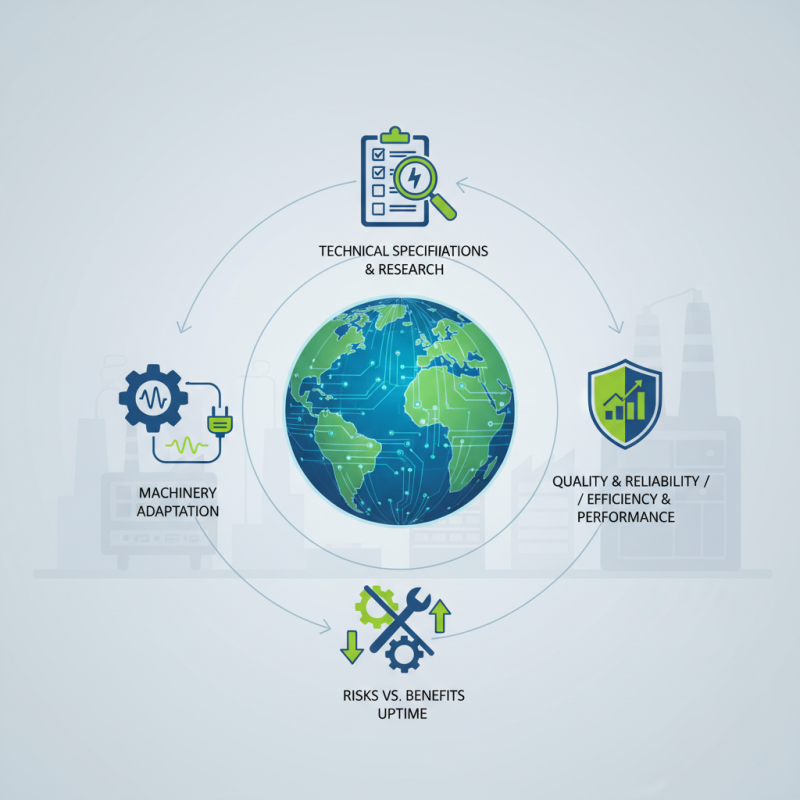
Static Frequency Converters are essential for various industries. They enable machinery to operate in different electrical environments. Choosing the right converter can be challenging, especially for global buyers.
These converters come in various types and specifications. For businesses, selecting the best option affects efficiency and performance. Buyers must consider factors like voltage, frequency, and power ratings. Each application is unique, requiring a tailored approach.
While there are many options available, not all meet quality standards. Some products may lack reliability or technical support. Research and experience are crucial in making informed decisions. The right Static Frequency Converter can enhance productivity and reduce downtime, but the wrong choice can lead to significant issues.
Overview of Static Frequency Converters and Their Applications
Static frequency converters (SFCs) are essential in various industrial applications. They convert electrical frequency from one value to another. This process ensures compatibility for equipment operating under different frequency standards. The global static frequency converter market is projected to grow at a CAGR of 5.6% from 2021 to 2028. This statistic highlights significant industry demand.
These converters find applications in power generation, renewable energy, and heavy machinery. For instance, in the wind energy sector, SFCs regulate the grid frequency, enhancing energy efficiency. Moreover, data from the International Energy Agency shows that upgrading to modern SFCs can lead to an energy saving of 10-15%. However, as technologies evolve, some converters face challenges with reliability and efficiency.
Choosing an SFC requires careful consideration. Not all products meet every operational need. Some users report discrepancies in output stability. These inconsistencies can lead to increased downtime. Thus, it’s crucial to assess the specifications and operational environments thoroughly before making a decision. Engaging with industry experts can help navigate these complexities effectively.
Key Features to Consider When Selecting a Static Frequency Converter
When selecting a static frequency converter, several key features warrant attention. First, input voltage range is crucial. It determines compatibility with varying power sources. A wider range can accommodate diverse applications, particularly in global settings. Next, examine the output frequency stability. Stable output prevents damage to sensitive equipment and enhances performance. Look for converters offering precise frequency adjustments.
Another important aspect is the converter's effectiveness. High efficiency minimizes energy loss during conversion. This factor directly impacts operational costs and sustainability goals. A robust cooling system is also essential. It protects the device from overheating, especially during extended use. In extreme environments, rugged construction might be necessary. This ensures durability under challenging conditions.
Consider the level of support and documentation provided. Comprehensive manuals and customer support can be invaluable. They assist users in installation and troubleshooting. However, quality of user experiences can vary. Researching feedback from existing users may highlight potential issues or advantages. Ultimately, choosing a static frequency converter should involve thorough evaluation and a thoughtful approach.
Comparative Analysis of Leading Static Frequency Converter Brands
In recent years, the static frequency converter market has witnessed considerable growth. A report from Global Industry Analysts indicates a projected CAGR of 6.2% through 2027. This increase highlights the demand among manufacturers and industries needing precise power management solutions.
When comparing leading brands, consider their efficiency ratings and application versatility. Many models offer a wide input range, accommodating various operational needs. For example, converters that operate efficiently across different voltage levels can reduce energy waste significantly. Additionally, their ability to function in diverse environments—from extreme temperatures to humid conditions—directly impacts their reliability.
**Tip:** Look for models with advanced cooling systems. They tend to have longer lifespans.
It’s essential to analyze the support services these brands provide. Technical assistance and warranty options are critical for long-term investments. Upgrading your existing systems with high-quality converters may enhance overall productivity. However, not all solutions fit all applications, so careful consideration is paramount.
**Tip:** When in doubt, consult industry experts. They can offer tailored recommendations based on specific operational requirements.
Being aware of these factors can guide informed purchasing decisions. Focus on features like user-friendliness and maintenance needs, ensuring they align with your operational goals.
Best Static Frequency Converter Options for Global Buyers
| Specification | Option A | Option B | Option C |
| Power Rating | 5 kVA | 10 kVA | 15 kVA |
| Input Voltage | 220V | 380V | 400V |
| Output Frequency | 50 Hz | 60 Hz | 50/60 Hz |
| Efficiency | >90% | >92% | >94% |
| Weight | 50 kg | 75 kg | 100 kg |
| Price Range | $500 - $700 | $800 - $1,200 | $1,500 - $2,000 |
Global Market Trends in Static Frequency Converter Technology
The static frequency converter (SFC) market is evolving rapidly. Many industries are adopting these devices for improved energy efficiency. SFCs help convert power supply frequencies, enabling equipment to function optimally. This is crucial for industries like manufacturing, where machinery requires consistent performance.
In recent years, there has been a notable shift towards energy-saving solutions. Buyers are now more focused on sustainable technology. The demand for compact and lightweight SFCs is increasing. This shift reflects a growing awareness of environmental issues. However, some manufacturers still struggle to keep up with these trends. They face challenges in innovating solutions that meet new energy standards.
Furthermore, as global economies fluctuate, the pricing of SFCs impacts buyer decisions. Economic uncertainty can lead to hesitance in investment. Companies are re-evaluating their purchasing choices, seeking reliable and cost-effective options. The market is witnessing a mix of innovation and caution, highlighting the need for continuous improvement and adaptability in this field.
Global Market Trends in Static Frequency Converter Technology
Cost Considerations and Budgeting for Static Frequency Converters
When considering static frequency converters, budgeting is essential. The price of these converters varies widely depending on power capacity and features. A high-quality converter may seem expensive upfront but can provide long-term savings. This is especially true for industrial applications where efficiency directly impacts operational costs.
It’s important to analyze your specific needs. Do you require a robust system for heavy machinery or a more compact unit for less demanding tasks? Each application has different requirements, influencing cost. Unexpected expenses can arise from installation and maintenance. Consulting with industry professionals can help avoid surprises.
Don’t forget about the total cost of ownership. This includes energy consumption and potential upgrades. Some systems may have lower initial costs but higher operational expenses. Researching multiple options can reveal hidden costs. Balancing quality and budget is key. Reflecting on these aspects can lead to a more informed purchasing decision.