A-B-C Blog
China Best Barista Instant Coffee Suppliers for Buyers?
China’s instant coffee market offers buyers a wide range of suppliers, but a polished sample does not tell the whole story. Barista Instant Coffee should dissolve smoothly, deliver a balanced aroma, and remain consistent from one batch to the next. Buyers also need clear specifications, reliable communication, and evidence that a supplier can scale production without changing the cup.
Coffee educator James Hoffmann is known for emphasizing careful tasting and critical evaluation. Applying that approach to supplier selection, this guide follows a simple rule: “Taste the sample before you trust the specification.” That sentence is our practical sourcing principle, not a direct quotation from Hoffmann. A sample should be tested in the buyer’s own preparation conditions: the same water temperature, cup size, and serving method used by customers. Small differences matter. A coffee that tastes rich in a supplier’s showroom may seem thin in a vending machine or office pantry.
This guide introduces China-based suppliers and the questions buyers should ask before requesting quotes or placing orders. It covers product formats, customization, quality checks, packaging, lead times, and communication. Ask for recent batch information and a clear sample process. Compare aroma, solubility, aftertaste, and consistency—not just price per kilogram. There is no perfect checklist. Buyers can still overlook details, especially when deadlines are tight. A careful comparison, followed by a small trial order, can reveal problems before they become expensive.
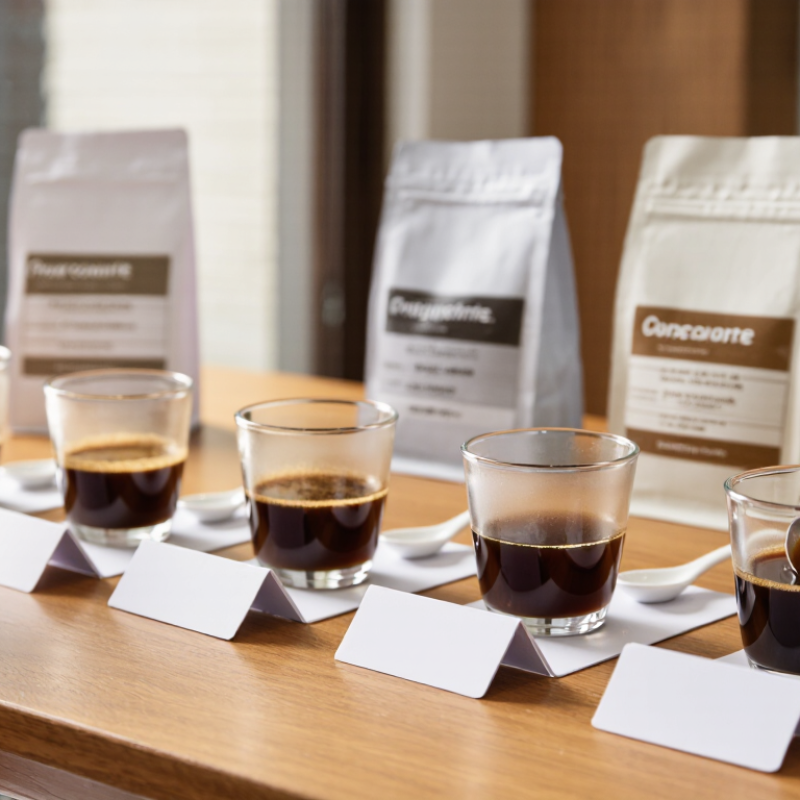
Understanding Barista-Style Instant Coffee and Its Uses
Barista-style instant coffee is designed for quick café-inspired drinks, not to duplicate every detail of espresso. It typically dissolves in hot water or milk and can suit lattes, iced coffees, and blended drinks. A teaspoon stirred into 60 millilitres of hot water makes a concentrated base; add steamed milk for a simple latte. The result depends on the powder, water temperature, and mixing method. Small differences matter.
For buyers, compare samples in the drinks customers will actually order. Check aroma, bitterness, aftertaste, dissolution time, and whether particles remain at the cup’s bottom. Ask suppliers for ingredient details, product specifications, and batch consistency information. Barista-style products vary, and “creamy” does not always mean genuine espresso crema. Test before committing. I would also retest after opening; humidity can change how instant coffee flows and dissolves.
Tips: Keep the powder sealed and dry. Use a measured dose, then adjust by taste. For iced drinks, dissolve the coffee in a little warm water before adding ice and milk. If the flavor feels flat, the issue may be dilution, not the coffee itself.
Key Criteria for Evaluating Chinese Instant Coffee Suppliers
Supplier choice should start with the product in your cup, not a polished catalogue. Request samples from several production lots and compare aroma, bitterness, aftertaste, colour, and how quickly the granules dissolve. Check moisture levels and particle size against your specifications. Ask for batch-level test results, ingredient details, and a clear explanation of how the supplier handles quality checks. Good paperwork matters. So does a repeatable cup.
Capacity and delivery records deserve equal scrutiny. Ask for realistic monthly output, production lead times, minimum order quantities, and contingency plans for delayed raw materials. The International Coffee Organization’s Coffee Report and Outlook, published in May 2024, estimated global coffee consumption at 177 million 60-kilogram bags in 2023/24, up 2.2% year on year. That scale makes demand context useful, but it does not prove any supplier can meet your order. Verify claims with recent production records and references where available.
Review food-safety certifications and confirm that their scope covers the actual factory and product. Compare packaging specifications too: seal integrity, moisture protection, and legible batch coding can affect shelf life and traceability. I would still treat tasting scores as imperfect; one sample cannot represent every lot. A small pilot order can reveal gaps in communication, consistency, or packing that a sales call may miss. Ask questions twice if answers remain vague.
Supplier Capabilities, Certifications, and Product Options
China’s instant coffee suppliers should be assessed on process control, traceability, and the ability to repeat a sample at scale. The International Coffee Organization’s Coffee Report and Outlook estimated global consumption at 177 million 60-kilogram bags in coffee year 2023/24. That broad demand figure does not prove instant coffee quality, but it shows why dependable sourcing matters. Ask suppliers for recent production records, origin details, and batch-level specifications. Ask for proof.
Certifications can help buyers compare factory systems. Check current certificates for scope, site address, issuing body, and expiry date. Food-safety schemes such as ISO 22000 or FSSC 22000 indicate structured controls; they do not guarantee a preferred flavor. Request test results for moisture, solubility, and microbiological criteria, then confirm methods and limits with your quality team. A certificate is a useful filter, not a taste test.
Product options may include spray-dried or freeze-dried granules, different roast profiles, and custom particle sizes. Compare aroma after opening, sediment in hot water, and how quickly a 2-gram sample dissolves. Request a pilot batch before agreeing to large volumes. I would treat a polished sample and a tidy audit file as a starting point, not a verdict; real batches can vary. That deserves attention.
| Evaluation Area | Capability or Product Option | Buyer Checks and Considerations |
|---|---|---|
| Product formats | Soluble coffee is commonly offered as spray-dried powder, agglomerated granules, or freeze-dried crystals. Some manufacturers also offer coffee mixes containing ingredients such as sugar or creamer. | Confirm whether the product is 100% soluble coffee or a formulated mix. Request the ingredient list, product specification, and a sample prepared using the intended serving method. |
| Processing capabilities | Suppliers may source, roast, extract, concentrate, dry, blend, and pack coffee, or may specialize in only selected stages of production. | Ask which production steps take place at the supplier’s own facility and which are subcontracted. Verify the facility and product scope during supplier assessment. |
| Roast and flavor profile | Product profiles can vary by coffee blend, roast, extraction parameters, and drying method. Options may include different strength, aroma, bitterness, and solubility characteristics. | Agree on measurable specifications and conduct a sensory evaluation. Do not rely on descriptors such as “premium” or “barista” without an agreed product standard. |
| Customization and private label | Depending on the facility, options may include custom blends, particle size, serving format, label design, and packaging configuration. | Confirm minimum order quantity, sample and development lead times, artwork requirements, and whether the supplier can support the destination market’s labeling rules. |
| Packaging options | Common formats include bulk bags for food-service or further processing, jars, pouches, and single-serve sachets. Available materials and sizes vary by production line. | Check pack size, seal integrity, moisture and oxygen protection, shelf-life evidence, case configuration, and suitability for the planned transport and storage conditions. |
| Food safety systems | Facilities may operate food safety management systems based on HACCP principles and may hold certifications such as ISO 22000 or FSSC 22000. | Request current certificates and verify the issuing body, validity dates, certified site, and scope. Certification availability and scope differ by supplier. |
| Other market certifications | Depending on the product and target market, a supplier may provide Halal, Kosher, or organic certification for eligible products and facilities. | Confirm that the certificate covers the specific product, production site, and ingredients. Organic claims require applicable certification and compliance with destination-market rules. |
| Quality and traceability | Relevant controls may include incoming-material checks, batch coding, finished-product testing, production records, and a documented traceability or recall procedure. | Request a representative certificate of analysis and ask about test methods, batch traceability, complaint handling, and recall procedures. Verify requirements for the destination market. |
| Export readiness | Export support may include product documents and shipment paperwork, subject to the supplier’s experience and the importing country’s requirements. | Agree in advance on required documents, labeling language, shipping terms, lead time, and responsibility for import compliance. Requirements vary by destination. |
| Supplier comparison | Compare suppliers using product fit, documented quality controls, production capacity, packaging capability, communication, and total delivered cost. | Treat listed capabilities as items to verify, not guarantees that every supplier offers them. Assess the specific factory and product before placing an order. |
Comparing Quotes, Minimum Orders, and Customization Services
When comparing barista-style instant coffee suppliers, look beyond the price per kilogram. Ask whether the quote includes soluble coffee, flavoring, packaging, and sample delivery. A lower price may reflect a simpler blend or larger order volume, not better value. Request the same product specifications from each supplier, including aroma, solubility, and serving strength. Keep the details visible.
Minimum order quantities can change the real cost quickly. Check whether the MOQ applies to each recipe, package size, or total shipment. A small test order may cost more per unit, but it can reveal clumping, weak aroma, or slow dissolution before you commit to larger stock. Ask about lead times and repeat-order quantities, too. This part is easy to overlook.
Customization may include roast profile, granule size, sachet weight, or packaging design. Ask which changes require a new production run and whether sample fees are refundable. Set clear acceptance points, such as how quickly the coffee dissolves in hot water and how consistent each sachet feels. A sample can taste good and still behave differently in a busy café. That gap deserves attention. Suppliers’ replies also show how carefully they document specifications, though a polished email alone is not proof of reliable production.
Sampling, Quality Checks, and Import Considerations
When comparing instant coffee suppliers in China, ask for samples from the same production lot proposed for your order. Brew each sample with a measured dose and water at a consistent temperature. Note aroma, bitterness, aftertaste, and how quickly the granules dissolve. A sample can still mislead if it comes from a different batch, so request a batch reference and written product specifications. Small details matter.
Tips: Keep a simple tasting sheet. Record the coffee-to-water ratio, cup temperature, and any clumping after opening the pack. Ask for ingredient and moisture specifications, packaging options, and a recent quality report. If results vary between samples, pause before approving production. I have seen small sensory differences become bigger surprises in bulk, though tasting alone cannot verify every quality claim.
Before ordering, confirm carton dimensions, net weight, shelf-life dates, and packaging protection against moisture. Check that the supplier can provide accurate commercial and shipping documents for your destination, and verify local import requirements with a qualified customs professional. Agree on inspection timing and acceptable tolerances in writing. Freight estimates can change, so compare the quoted terms with the actual delivery route. Leave time for document review; rushing this step is an easy mistake.