A-B-C Blog
China Best PS Sheet Extrusion Line Manufacturers for Sale
Choosing a China-based manufacturer for a Ps Sheet Extrusion Line involves more than comparing quoted prices. The right configuration depends on the resin, sheet width, thickness range, target output, and downstream forming process. Ask suppliers to explain the screw design, die structure, temperature controls, haul-off unit, and winding or cutting options. These choices influence melt stability, sheet appearance, and production changeovers. Small details matter. A factory visit or live production demonstration can help you inspect assembly quality and operating practices.
Before requesting a quotation, prepare clear product specifications and expected working conditions. Ask how output changes with sheet thickness and material, rather than relying on a single headline figure. Request details about installation, operator training, spare parts, and remote technical support. Sample sheets can reveal uneven thickness, surface marks, or inconsistent edges that a specification sheet may not show. It is easy to focus too heavily on maximum capacity. In practice, stable daily production may matter more. Compare the same requirements across manufacturers, and confirm which accessories are included in each offer. A careful review cannot remove every uncertainty, but it can make the decision more grounded. Good questions help. The best supplier is not automatically the one with the lowest price; it is the one whose equipment, documentation, and support fit your actual production plan.
Understanding PS Sheet Extrusion Lines and Their Applications
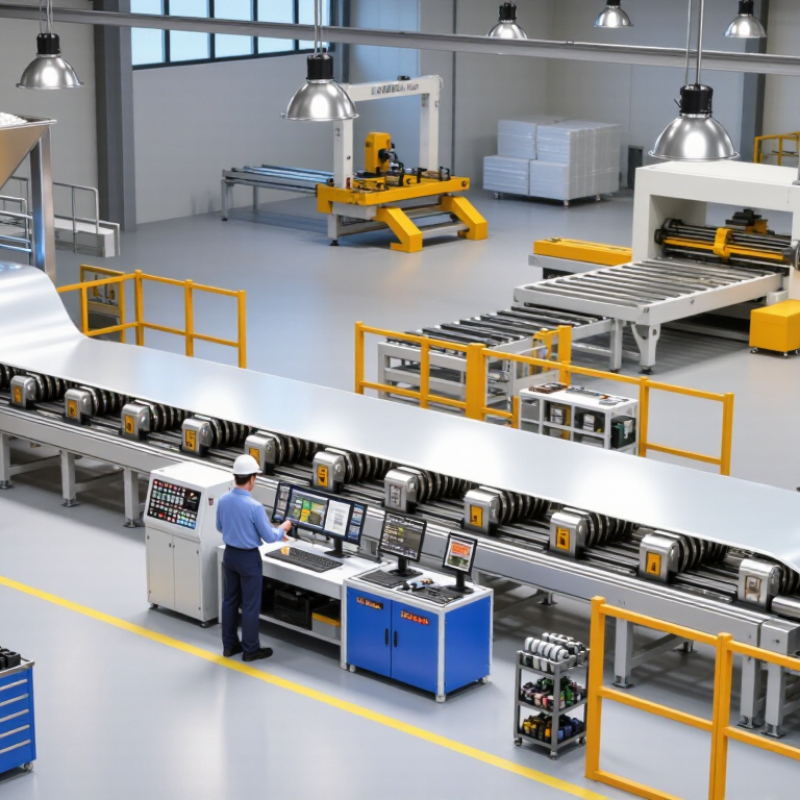
A PS sheet extrusion line converts polystyrene pellets into a continuous, flat sheet. Its main components usually include a hopper, heated barrel, rotating screw, flat die, and cooling rollers. The screw melts and mixes the material before the die shapes it. Rollers then cool the sheet and help control its thickness and surface finish. That matters.
Operators monitor melt temperature, screw speed, and roller gaps during production. These settings interact, so changing one may affect sheet clarity, thickness, or edge quality. A small temperature shift can alter how evenly the melt flows. Samples measured with a thickness gauge can reveal uneven areas before they become a larger batch problem. Not every defect has one obvious cause.
PS sheets are used in packaging, display panels, stationery, and thermoformed products. Clear sheet can suit packaging where product visibility matters, while colored or textured sheet may fit signs and interior components. The best line configuration depends on the required sheet width, thickness range, output, and downstream forming process. Buyers should also consider changeover time, cleaning access, and operator training. A fast line is not always the most useful choice if its output is difficult to keep consistent. Practical trials with the intended material can expose gaps in a specification.
How PS Sheet Extrusion Lines Produce Plastic Sheets
China Best PS Sheet Extrusion Line Manufacturers for Sale
How PS Sheet Extrusion Lines Produce Plastic Sheets
A PS sheet extrusion line turns polystyrene pellets into a continuous, flat sheet. Pellets enter a heated barrel, where a rotating screw conveys and melts them. Operators monitor temperature and screw speed because uneven melting can cause cloudy patches or inconsistent thickness. Small changes matter.
The molten plastic passes through a screen that catches contaminants, then flows through a flat die. The die spreads the material into a wide sheet. Polished cooling rolls shape it and help set its thickness. Roll spacing, speed, and temperature need to work together; otherwise, the sheet may curl or show surface marks. It looks simple.
After cooling, the sheet moves through a haul-off section for stable transport. Trimming knives remove uneven edges, and a winder or cutter prepares the finished material. During production, operators can check sheet thickness at several points across its width. This reveals whether the die or roll settings need adjustment. The process is not perfectly forgiving: material variation can still affect appearance, so routine checks and careful records are useful. Exact settings depend on the resin grade, sheet thickness, and intended application.
Key Specifications to Compare Across Chinese Manufacturers
When comparing Chinese PS sheet extrusion lines, ask for a test-run sheet, not just headline capacity. Output in kilograms per hour depends on resin grade, sheet width, thickness, and trim losses. PlasticsEurope’s Plastics—The Fast Facts 2023 reports 400.3 million tonnes of global plastics production in 2022. That figure covers all plastics, not PS sheet demand; use it only as market context.
Compare screw diameter and L/D ratio, then verify the stated output with your target polystyrene grade. Request a stable run at a specific width and thickness, such as 1 mm. Check thickness variation across the sheet, edge quality, melt-temperature stability, and start-up scrap. Small details matter. Ask for measured energy use per kilogram, not motor power alone. Confirm whether the figure includes heaters and downstream equipment. Inspect calender-roll diameter, temperature-control zones, die adjustment, and cooling capacity. A polished specification sheet may still omit operating conditions.
Also compare control-system alarms, spare-part lead times, installation support, and warranty exclusions. Record output, thickness tolerance, and energy use during a witnessed trial. The OECD’s Global Plastics Outlook (2022) reports that only 9% of plastic waste was recycled in 2019, highlighting the variability of recycled feedstock. Ask how the line handles your actual material blend. One trial cannot prove years of reliability, so request customer references and a clear acceptance protocol.
China Best PS Sheet Extrusion Line Manufacturers for Sale - Key Specifications to Compare Across Chinese Manufacturers
Indicative specification benchmarks for evaluating PS sheet extrusion lines. Actual capabilities vary by line design, material, sheet dimensions, and operating conditions; confirm all figures with the equipment supplier.
| Specification | Common Comparison Range | What to Verify |
|---|---|---|
| Suitable materials | GPPS, HIPS, or blends of compatible polystyrene grades | Confirm resin grades, recycled-content limits, and any required material-drying or feeding arrangements. |
| Sheet width | Approximately 600–1,500 mm, depending on line configuration | Compare usable sheet width, die width, edge-trim allowance, and width-control method. |
| Sheet thickness | Approximately 0.2–6.0 mm, depending on product and tooling | Request the achievable thickness range and tolerance at the intended production speed. |
| Typical output capacity | Approximately 150–500 kg/h for many industrial configurations | Ask for guaranteed output using the specified resin, sheet width, thickness, and quality requirements. |
| Main extruder screw diameter | Often approximately 90–150 mm | Check screw design, material compatibility, wear protection, and whether the quoted size matches the proposed output. |
| Screw length-to-diameter ratio | Commonly around 30:1–36:1 | Compare screw geometry and plasticizing performance for the intended PS grade and production rate. |
| Extrusion configuration | Single-screw or co-extrusion configurations are available | For multi-layer products, confirm layer structure, extruder count, feedblock design, and layer-ratio control. |
| Calendering and cooling | Typically a multi-roll calender with controlled roll temperature | Verify roll diameter, roll surface finish, temperature-control zones, and adjustment range. |
| Thickness control | Manual or automated control, depending on line specification | Check the measurement method, control response, and documented thickness tolerance across the sheet. |
| Drive and speed control | Variable-speed drives are commonly used for major line sections | Confirm synchronization between extruder, calender, haul-off, and winding or cutting equipment. |
| Downstream equipment | May include haul-off, edge trimming, sheet cutting, stacking, or winding | Match the supplied equipment to sheet format, production workflow, and finished-product handling needs. |
| Electrical supply | Configuration-dependent; specify local voltage, frequency, and phase | Request the connected-load list, control-system details, and electrical components compatible with the installation site. |
| Installation footprint | Depends on line width, output, and included downstream equipment | Obtain an overall layout drawing showing line length, service access, lifting requirements, and operator space. |
| Acceptance and support | Terms vary by project and supplier | Agree on installation scope, commissioning, operator training, spare-parts list, warranty terms, and production acceptance criteria. |
How to Evaluate Manufacturers, Customization, and Quality
When evaluating PS sheet extrusion line manufacturers, look beyond the quoted output rate. Ask for a test run using your target sheet width and thickness. Watch how evenly the sheet exits the die, and check its edges for curling or uneven trim. Request operating data for screw speed, melt temperature, and cooling. Numbers can mislead.
Customization should fit your resin, floor layout, and downstream cutting or forming equipment. Discuss die width, roller configuration, thickness control, and space for maintenance before approving a design. Ask which parts are standard and which are made to order. Confirm lead times for wear parts, too. A small drawing mismatch can become a costly installation problem.
Quality is easier to judge with records and samples. Request inspection results, a clear acceptance checklist, and a supervised trial using your material. Measure several points across the sheet, not just the center. Check thickness variation and surface finish against written targets. I would not choose a supplier from a polished brochure alone; practical support after installation matters just as much. Even careful reviews can miss things, so record open questions before signing.
Purchase, Installation, and After-Sales Service Considerations
When comparing PS sheet extrusion lines, define the product before comparing quotations. Specify sheet width, thickness range, expected output, and the resin mix you plan to run. Ask for a trial using your material, not just a standard sample. Check thickness across the sheet, surface appearance, and output stability during a sustained run. A fast factory test can look convincing; performance across a full shift is more revealing. Measure twice.
Before purchase, confirm what the quotation includes: die, roller stack, haul-off, cutting equipment, controls, and essential spare parts. Installation needs enough floor space for the line and safe access around heated components. Check power supply, cooling water, compressed air, floor loading, and ventilation with your site team before delivery. Even small alignment errors between rollers can affect sheet thickness, so request clear leveling and commissioning procedures. Keep records.
After-sales support deserves equal attention. Ask how technicians provide installation guidance, how quickly they respond, and which parts are stocked locally or shipped from elsewhere. Request operating and maintenance manuals, electrical diagrams, and a practical training plan for operators. Warranty terms should state coverage, exclusions, and the process for reporting faults. One detail buyers sometimes overlook is language: instructions must be understandable to the people who will run and maintain the machine. Some requirements may change after a real production trial; leave room to review them.