How to Choose the Best Acid Silicone Sealant for Your Projects?
Choosing the right Acid Silicone Sealant is crucial for project success. Expert David McCarthy, a leading authority in sealant technology, emphasizes, “The right sealant ensures long-lasting performance.” Acid silicone sealants have unique properties that set them apart.
These products excel in adhesion, durability, and resistance. Many people overlook these qualities, leading to project failures. Selecting an Acid Silicone Sealant is not just about brand; it's about understanding your specific needs. The wrong choice can cause leaks or cracks, resulting in costly repairs.
Consider factors such as surface compatibility and environmental exposure. Each project demands careful consideration. Don't rush; mistakes can be costly. Reflecting on previous projects, many professionals learned the hard way. Investing time in research can yield better outcomes.
Understanding Acid Silicone Sealant and Its Applications
Acid silicone sealant is a versatile adhesive commonly used in various construction and repair projects. It cures by releasing acetic acid, offering strong bonding and flexibility. Its resistance to moisture makes it ideal for bathrooms and kitchens. Further research indicates that acid silicone sealants can endure temperature fluctuations and UV exposure, making them suitable for both indoor and outdoor applications.
When selecting an acid silicone sealant, consider its adhesive strength and curing time. Many projects require fast-setting formulations. Check industry reports that state that sealants with a higher tensile strength often provide better performance under stress. The proper formulation can also enhance durability. Pay attention to product specifications to ensure compatibility with the materials you work with.
**Tip:** Always test a small section before full application. This practice ensures compatibility and effectiveness. Also, ensure you work in a well-ventilated area. The acetic acid released during curing can be irritating.
Despite its advantages, acid silicone sealant is not suitable for all applications. It should not be used on porous materials like natural stone or concrete, as it may cause staining. Carefully assess your project requirements before making a choice.
How to Choose the Best Acid Silicone Sealant for Your Projects?
| Feature | Description | Application | Cure Time | Temperature Resistance |
| Adhesion | Excellent adhesion to various substrates | Construction joints, glazing | 24 hours | -40°C to 150°C |
| Flexibility | Maintains flexibility after curing | Sealing around windows, doors | 2 to 3 hours | -30°C to 120°C |
| Color Options | Available in various colors | Interior and exterior applications | 5 to 10 hours | -40°C to 100°C |
| Water Resistance | Highly water-resistant after curing | Bathroom, kitchen fittings | 1 day | -30°C to 120°C |
| UV Resistance | Good resistance to UV light | Outdoor sealing and bonding | 1 to 2 hours | -20°C to 150°C |
Key Factors to Consider When Choosing an Acid Silicone Sealant
When selecting an acid silicone sealant, consider its application. Different projects require specific characteristics. For instance, when sealing bathrooms, mold resistance is crucial. For kitchen installations, water resistance may be a priority. Understanding where you will use the sealant helps narrow down the options.
Next, evaluate the curing time. Some projects may demand a fast-setting sealant, while others might allow for longer drying times. The final look is important too; some sealants dry clear, while others may have a noticeable color. Check the packaging for drying times and available colors.
Finally, consider temperature tolerance. An effective sealant must withstand the project's temperature range. Extreme heat or cold can affect adhesion. Reflect on the conditions your project will face. It’s important to choose a sealant that meets these requirements, as a mismatched product may lead to future issues.
Comparing Different Brands and Their Performance
When selecting an acid silicone sealant, performance comparison among brands is essential. Recent industry studies indicate that around 70% of users prioritize durability in their projects. A sealant that fails to withstand temperature changes can lead to costly repairs.
Many professionals recommend assessing adhesion strength. Testing shows that some sealants can bond effectively to glass and metal, while others struggle. A report by Adhesives and Sealants Industry revealed that top-performing sealants maintain their elasticity even under extreme conditions. However, some lower-tier options may harden or crack over time, leading to doubt about their longevity.
Another critical factor is curing time. Some products cure quickly, allowing faster project completion. Yet, this speed can compromise final adhesion. In contrast, sealants with a longer curing process may offer better long-term performance. Research suggests that choosing a well-balanced product is crucial for varied applications. Thus, it highlights the importance of weighing these performance metrics before making a choice.
Performance Comparison of Acid Silicone Sealants
Evaluating Cost vs. Quality in Acid Silicone Sealants
When selecting acid silicone sealants, cost and quality often clash. Industry reports indicate that consumers frequently face the dilemma of balancing budget constraints with the need for durable materials. A 2021 survey showed that 45% of contractors prioritize cost over quality, leading to potential issues in project longevity. This can result in increased repairs and labor costs later on.
Cost-effective options typically range from $5 to $15 per tube. However, lower prices often correlate with subpar adhesion and lifespan. In contrast, high-quality sealants, although pricier, can offer better performance over time. A study noted that premium products can enhance joint movement capabilities by up to 30%. This performance translates to fewer failures and lower maintenance costs, ultimately saving money.
Yet, the market is flooded with choices, making it essential to evaluate specifications thoroughly. Many users report dissatisfaction when opting for the cheapest option without considering the full scope of their projects. A clear understanding of the application area can significantly inform the decision. Are you sealing windows, kitchens, or bathrooms? Each environment has unique requirements.
Tips for Proper Application and Long-lasting Results
When choosing an acid silicone sealant, proper application is key for long-lasting results. Start by preparing the surfaces. Clean the area thoroughly to remove dirt and old sealant. Dust and grime can compromise adhesion. Using a masking tape can create clean edges and prevent excess sealant spread.
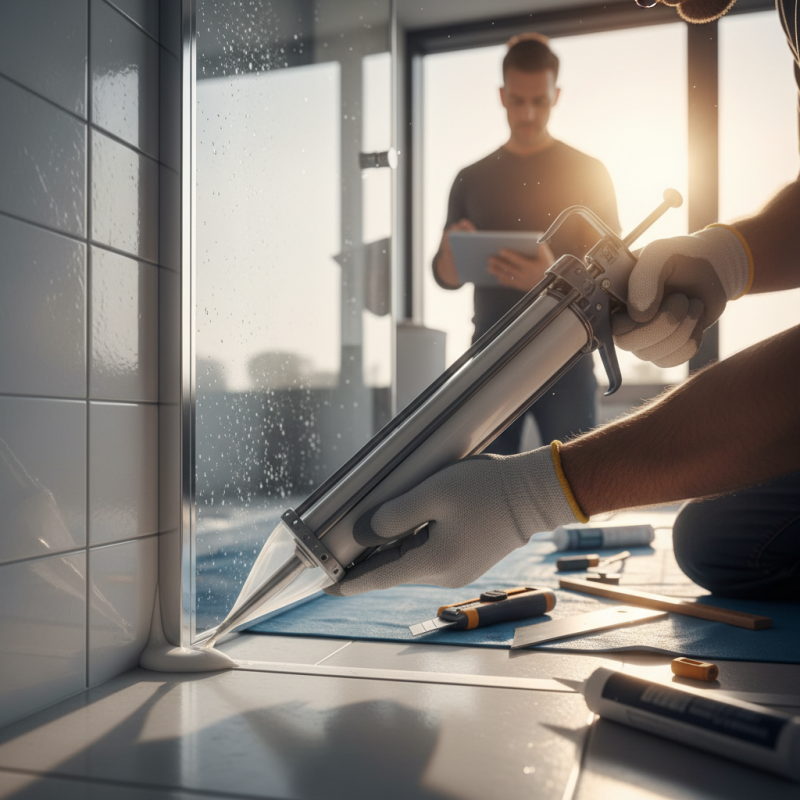
Next, apply the sealant evenly. Use a caulking gun for better control. Press the trigger gently to avoid an excessive bead of sealant. If it gets messy, don’t stress; you can smooth it out. A wet finger or a tool can help shape the sealant.
Allow proper curing time. Humidity and temperature can affect how quickly the sealant sets. Be patient. Sometimes, the ideal conditions aren’t there. If the sealant doesn’t adhere well, it may need redoing. Take time to observe the results and make necessary adjustments. Learning through experience will improve future applications.