Why Choose a Case Packer Machine for Your Production Needs?
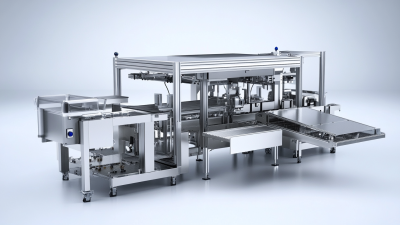
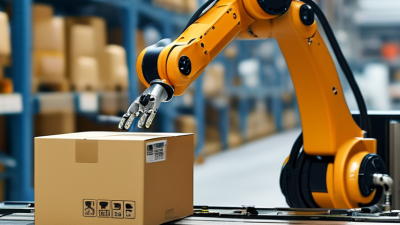
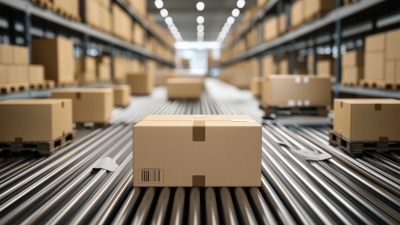
In the fast-paced world of production, efficiency is key. Choosing the right equipment can make a significant difference in output quality and speed. Enter the Case Packer Machine, a vital tool for modern manufacturers. This machine automates the packing process, significantly reducing labor costs and minimizing errors. It allows for rapid packing of various products into cases, catering to diverse industries.
Businesses often struggle with manual packing methods. They can be slow and prone to mistakes. The Case Packer Machine addresses these issues effectively. It ensures consistent packing and enhances productivity. Organizations can experience smoother operations and higher profitability.
However, investing in a Case Packer Machine requires careful consideration. Each production line has unique needs. Evaluating machine compatibility with existing processes is essential. This choice could lead to better performance, but only if the right machine is selected. Therefore, a thorough analysis of options is necessary for making an informed decision.
Benefits of Using a Case Packer Machine in Manufacturing Operations
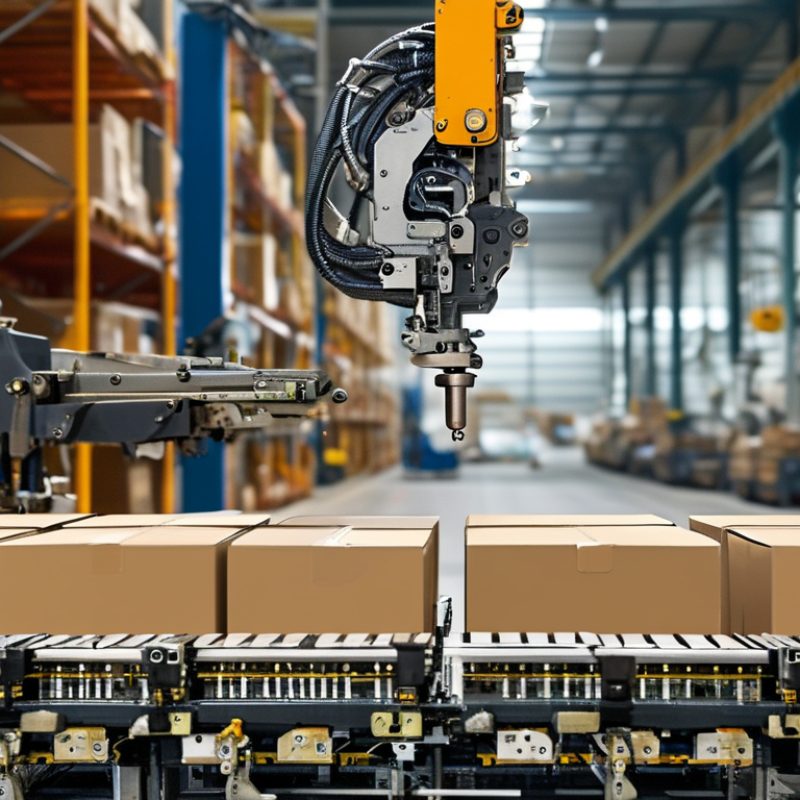
Case packer machines are transforming manufacturing operations. They efficiently automate the packaging process, saving time and labor costs. With their ability to handle various product sizes and shapes, these machines offer flexibility. This adaptability allows manufacturers to meet changing demands without significant downtime.
Moreover, case packers improve product safety. By decreasing human contact, they minimize the risk of contamination. This is crucial in industries like food and pharmaceuticals. Workers can focus on quality control instead of repetitive tasks. However, relying on automation can lead to challenges. Maintenance is essential to ensure consistent performance.
Increased speed is another significant benefit. Case packers can significantly boost output rates, ensuring products are packaged quickly and effectively. This efficiency not only enhances productivity but also allows businesses to fulfill larger orders. Yet, companies must invest in training staff to operate these machines. Balancing automation with human oversight remains a critical reflection point in modern manufacturing.
Benefits of Using a Case Packer Machine in Manufacturing Operations
Key Features to Look for in a Case Packer Machine
When selecting a case packer machine, several key features should be considered. Speed is essential; a machine should meet your production demands without compromising quality. Look for a machine that can handle various packaging types. Flexibility in packaging is important as products change frequently.
User-friendly controls make a significant difference. Operators must easily navigate settings and adjustments. Intuitive interfaces save time and reduce errors during production runs. Also, remember that maintenance is crucial. A durable machine can minimize downtime and costs associated with repairs.
Here are some points to keep in mind. Assess the size and weight of the packages. Ensure the machine is compatible with the dimensions of your products. Check the machine's energy efficiency as well. Reducing energy consumption can lead to significant savings. Consider the availability of parts and technical support; reliable assistance is vital for long-term efficiency.
How Case Packer Machines Improve Efficiency and Productivity
The efficiency of case packer machines cannot be overstated. In recent years, the packaging industry has seen a substantial shift towards automation, with data indicating that automated systems can boost productivity by up to 30%. This statistic sheds light on the inherent advantages of integrating case packers into production lines. By minimizing the manual handling of products, these machines help reduce labor costs and minimize the potential for errors that could arise from human intervention.
Operating a case packer improves not just speed but also accuracy. Research shows that automated packing solutions can enhance packing consistency by 98%, ensuring that products are securely packaged every time. Furthermore, case packers adapt easily to various product sizes and shapes, making them versatile for diverse production needs. This adaptability is especially crucial in industries where market demands fluctuate rapidly.
However, transitioning to automated packing requires careful planning. Companies must assess their production workflows and determine the right fit for their needs. Some organizations may experience initial challenges in integrating these machines. For instance, training staff to operate and maintain automated equipment is crucial. Despite these hurdles, the long-term benefits of increased efficiency and reduced operational costs often outweigh the initial difficulties. Thus, for manufacturers aiming to optimize their production processes, case packer machines present a compelling option.
Comparing Manual Packing vs. Automated Case Packing Solutions
Manual packing has long been a staple in many production environments. It allows workers to have direct interaction with the product. However, this method often leads to inconsistent packing quality. A report from the Packaging Machinery Manufacturers Institute indicates that labor-intensive packing processes can result in a packing error rate of about 10%. This not only wastes materials but also harms customer satisfaction.
On the other hand, automated case packing solutions can significantly reduce error rates. According to a study by the International Society of Automation, automated systems can improve efficiency by up to 50%. These machines handle repetitive tasks with precision. They ensure that a uniform product is packed into cases every time. This consistency is crucial in industries where packaging integrity impacts shelf life.
Investing in automation does come with challenges. Initial costs can be high, and training workers to operate these machines is necessary. It's essential to weigh these factors against the long-term benefits. While automated packing can streamline operations, the transition may feel daunting for some companies. Understanding both sides of the equation is vital for making an informed decision.
Factors Influencing the Selection of a Case Packer Machine
Choosing the right case packer machine is crucial for optimizing production lines. Various factors influence this selection, including speed, flexibility, and product compatibility. According to industry reports, a capable machine can increase packaging efficiency by up to 30%. The right machine minimizes labor costs and reduces waste, ensuring resources are effectively utilized.
When considering speed, assess the typical output required. Some machines can handle up to 120 cases per minute, suitable for high-demand environments. Flexibility is vital, especially if your product range changes frequently. Select a machine with adjustable settings to accommodate different sizes and packaging types. Compatibility with existing equipment is another essential consideration. Integrating a new case packer can introduce complexities, impacting efficiency if not properly managed.
It’s important to evaluate the total cost of ownership, not just the initial purchase price. Maintenance costs can vary significantly. Investing in a machine with robust support and service plans may save money in the long run. Review feedback from other users to gain insights into potential issues. Make informed decisions based on professional recommendations and data from industry studies.
Why Choose a Case Packer Machine for Your Production Needs? - Factors Influencing the Selection of a Case Packer Machine
| Factor |
Description |
Importance Level |
Example Applications |
| Production Speed |
The rate at which the machine can package products. |
High |
Beverage bottling |
| Product Type |
The nature of the product being packaged, including size and weight. |
Medium |
Food products, electronics |
| Flexibility |
The ability of the machine to handle different packaging configurations. |
High |
Changing product lines |
| Automation Level |
The degree to which the machine operates with minimal human intervention. |
High |
Automated packaging lines |
| Space Requirements |
The physical space needed to install and operate the machine. |
Medium |
Compact factory layouts |