A-B-C Blog
How to Choose the Best Beverage Matcha Powder
Choosing the right Beverage Matcha Powder starts with the drink you plan to make. A delicate matcha latte needs a powder that blends smoothly with milk, while iced drinks benefit from a flavor that remains noticeable after adding water and ice. Color offers a quick clue: vivid green often suggests careful handling, but appearance alone cannot prove freshness or quality. Look for a clean, grassy aroma, a fine texture, and clear information about origin, harvest, and storage. Small details matter. A clumpy powder may be difficult to whisk, and a dull, hay-like smell can signal that it has lost some freshness.
Taste it before buying in bulk, if a sample is available. Whisk a small amount with warm water and notice its bitterness, sweetness, and finish. Then try it in your usual drink. Some powders taste balanced on their own but disappear under oat milk or sweetener. Others feel too sharp. There is no perfect choice for every cup. Even a bright green tin can disappoint when opened. Check whether the seller provides credible sourcing details and freshness guidance, rather than relying on broad claims such as “premium” or “ceremonial.” Price can help frame expectations, but it is not a quality test by itself. Match the powder to your recipe, budget, and preferred flavor. A little trial and error is normal; your own cup is the final check.
What Beverage Matcha Powder Is and How It Differs from Ceremonial Matcha
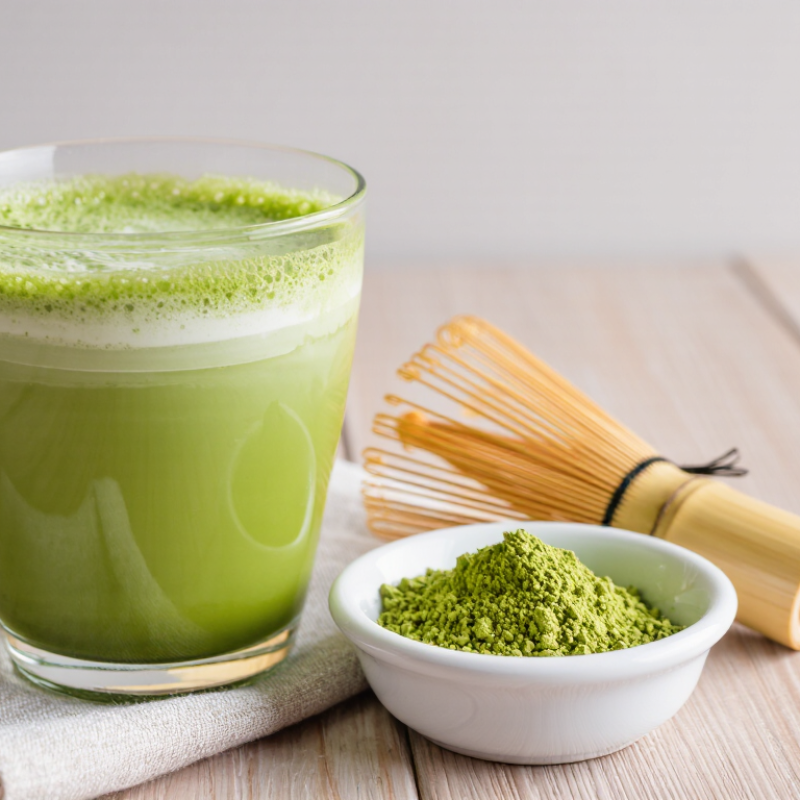
Beverage matcha is finely milled green tea powder intended for drinks such as lattes, smoothies, or iced tea. “Beverage grade” is not a universally standardized category, so the label alone cannot confirm quality. Both beverage and ceremonial matcha are typically made from shade-grown tencha. Their differences often come down to leaf selection, flavor, texture, and intended preparation—not a separate tea plant.
Ceremonial matcha is generally selected for whisking with water, where its fresh aroma, smooth texture, and gentle sweetness are easy to notice. Beverage matcha may have a stronger, more assertive taste that holds up in milk or ice. It can also be less finely textured.
A practical check: sift a small amount into a bowl, whisk it with warm water, then taste it plain. That matters. Color can offer a clue, but a vivid green is not proof of freshness or quality.
The supply of raw material is growing. Japan’s Ministry of Agriculture, Forestry and Fisheries recorded about 4,176 tonnes of tencha production in its 2023 tea statistics. More tencha can support varied uses, but it does not make every powder equally suited to every drink. I would compare aroma, harvest information, storage date, and how the powder tastes in the recipe I actually make. The distinction can be fuzzy. A smooth powder may work beautifully in a latte, while a premium powder can lose its delicate notes under sweeteners.
Which Drinks You Plan to Make with Matcha
How to Choose the Best Beverage Matcha Powder
Which Drinks You Plan to Make with Matcha
Start with the drink, not the color of the powder. For a whisked matcha latte, choose powder that blends smoothly with warm water and still tastes present after milk is added. A fine grind helps reduce gritty clumps. For iced drinks, test how well it disperses in a small amount of water before adding ice. Cold liquid can leave stubborn flecks. Annoying, but fixable.
For smoothies or sweetened drinks, a more robust, grassy flavor may hold up better against fruit, syrup, or dairy. For matcha served simply with water, look for a softer, less astringent taste. Brew a small sample first; color alone can mislead, and tasting notes vary between harvests. I still find this easy to misjudge.
The Tea Association of the U.S.A.’s 2024 fact sheet reports that Americans consumed more than 3.9 billion gallons of tea in 2023. That figure covers tea broadly, not matcha specifically, but it underscores how many ways people drink tea. Choose a powder suited to your routine: whisked hot, shaken over ice, or blended into a thicker drink. Check the ingredient list, too. Pure matcha gives you more control over sweetness and strength.
How Matcha Grade, Color, and Texture Affect Beverage Quality
How to Choose the Best Beverage Matcha Powder
How Matcha Grade, Color, and Texture Affect Beverage Quality
For drinks, choose matcha that tastes balanced after mixing, not merely impressive in a tin. Grade labels can be inconsistent, so treat “ceremonial” or “culinary” as clues rather than guarantees. A small test whisk can tell you more. In a latte, a gentle bitterness should still come through the milk without turning harsh.
Color offers another useful clue. A lively green often suggests careful storage and fresher leaf material, while a dull olive tone may signal age or heat exposure. But lighting and harvest can change appearance, so color alone is not proof of quality. Smell the powder, too. Fresh matcha usually has a clean, grassy aroma, sometimes with a soft sweetness.
Texture matters most when you prepare a drink quickly. Fine, evenly milled powder sifts easily and blends with less grit; coarse particles may settle at the bottom of a glass. Try a teaspoon in warm water before adding milk or sweetener. Notice how smoothly it disperses, then taste the finish. I have found that a powder can look vivid yet feel slightly chalky, which is easy to miss in a crowded café-style drink. Keep the container sealed, away from light and heat, and reassess its aroma after opening.
How to Choose the Best Beverage Matcha Powder — How Matcha Grade, Color, and Texture Affect Beverage Quality
| Selection factor | Everyday beverage matcha | Premium drinking matcha | Latte-focused matcha |
|---|---|---|---|
| Grade terminology | Often described as culinary or everyday grade. These terms are used inconsistently across sellers and are not a universal grading standard. | Often marketed as ceremonial or premium grade. Check the tea’s origin, harvest information, freshness, and taste rather than relying on the label alone. | May be sold as culinary, latte, or beverage grade. The name alone does not establish quality or suitability. |
| Typical flavor | More assertive green-tea flavor; can taste more bitter or astringent when whisked strongly or prepared with very hot water. | Typically chosen for a smoother, more balanced flavor with noticeable umami and less harsh bitterness when prepared as a small tea. | A pronounced tea flavor is useful because milk and sweeteners can soften matcha’s aroma and taste. |
| Color to look for | Green shades can vary. A dull or yellow-brown appearance may indicate age or less careful storage, but color alone cannot confirm quality. | A fresh, vivid green appearance is often desirable. Shade-growing, leaf characteristics, processing, and storage can all affect color. | A clear, lively green generally gives a more appealing drink. Milk will lighten the finished beverage, so judge the powder before mixing. |
| Texture and milling | Should be a fine powder that can be sifted and whisked. Coarse particles are more likely to feel gritty or settle quickly. | Very fine, even particles are desirable for a smooth whisked tea. Matcha is suspended in water rather than dissolved, so some settling is normal. | Fine powder helps form a smoother concentrate before milk is added. Sifting can help break up small clumps. |
| Best beverage use | Daily whisked tea, smoothies, and recipes where a stronger tea flavor is welcome. | Whisked matcha served with water, where the tea’s aroma, texture, and flavor are easy to notice. | Hot or iced lattes, where a robust flavor can remain noticeable alongside milk or a milk alternative. |
| Practical starting amount | About 1–2 g per 60–80 ml water for a small whisked serving; adjust to taste. | About 1–2 g per 60–80 ml water for a small whisked serving; use less water for a stronger preparation. | About 1.5–2 g whisked with 30–60 ml water, then combined with milk; adjust the amount to the cup size and desired strength. |
| Water and preparation | Use hot, not boiling, water and whisk until evenly suspended. Very hot water can make bitterness more pronounced. | Use hot, not boiling, water and whisk briskly. Sifting first can improve consistency and reduce clumps. | Whisk or blend the powder with a small amount of water until smooth before adding cold or steamed milk. |
| Buying and storage checks | Look for a sealed, food-grade package with a clear ingredient list and a recent packing or best-before date. | Also check for harvest or packing details and storage guidance. Keep the package tightly closed, cool, dry, and away from light. | Choose a package size you can use while the powder is fresh. Close it promptly after each use and follow the storage instructions. |
Note: “Ceremonial,” “culinary,” and similar grade names are not globally standardized. Color and texture are useful screening clues, but freshness, flavor, preparation, and storage also affect the final beverage.
How to Assess Freshness, Origin, and Ingredient Labels
Freshness starts with the package. Look for a harvest or milling date, not only a best-before date, and choose a sealed, opaque pouch. Fresh powder often smells grassy or gently sweet; stale powder may seem flat. Color can help, but it is not proof of quality. I still find freshness hard to judge from a label alone.
Origin details should name a region and, ideally, the harvest season or tea type. Japan’s Ministry of Agriculture, Forestry and Fisheries reported 7,579 tonnes of green-tea exports in 2023, worth ¥29.2 billion. These figures cover green tea overall, not matcha alone, but they show why clear sourcing matters. Check the ingredient list for “100% powdered green tea” if you want unsweetened matcha. Added sugar or flavoring may suit some drinks, but changes the taste and nutrition.
Tips: Keep the pouch tightly sealed, away from heat and sunlight. Try a small amount in cold milk or water; clumps and dull aroma can be clues, not verdicts. Check the label again.
How to Choose Beverage Matcha Powder
A practical checklist for assessing freshness, origin, and ingredient labels.
The bars count suggested checks, not product scores or laboratory measurements. Look for a harvest or packing date, sealed light-protective packaging, and a fresh vegetal aroma; verify the stated origin and traceability; and read the ingredient list for matcha only, without added sweeteners or other ingredients. Color and aroma are useful clues, but neither guarantees freshness or quality.
How to Compare Flavor, Solubility, and Price Before Choosing
Choosing beverage matcha means comparing what happens in the cup, not just the color on the pouch. Grand View Research estimated the global matcha market at about US$3.5 billion in 2023, but that market figure says nothing about an individual powder’s flavor or mixing performance. Treat it as context, not proof of quality.
Taste a small sample in the drink you actually make. Whisk 2 grams into warm water, then try it with milk; note bitterness, sweetness, and any seaweed-like or grassy edge. A pleasant aroma can fade under milk. That surprised me. Matcha is finely milled tea, so it forms a suspension rather than dissolving like sugar. Stir after a few minutes and check for clumps, grit, or a heavy layer at the bottom. A little settling is normal.
Compare price per serving, not pouch price. Divide the price by the number of 2-gram servings, then weigh flavor and texture against that cost. For a café-style latte, a stronger, more assertive powder may work better than a delicate one. Still, my own palate is not a universal standard. Grand View Research’s market estimate also covers a broad category, so it cannot tell you which grade suits your recipe.