


How to Choose PP Dunnage Bags in 2026?
Choosing the right Pp Dunnage Bag in 2026 requires more than comparing prices or advertised load ratings. A reliable choice begins with the cargo, trailer, container, and expected transport conditions. Heavy cartons may need stronger woven polypropylene fabric. Fragile products may require softer inflation control and careful pressure management. Measure the empty gap first. An oversized bag can press unevenly, while an undersized bag may leave dangerous movement space.
Real shipping experience matters. Watch how pallets shift during braking, cornering, and rough road movement. Check the bag’s permitted gap range, inflation time, valve design, and resistance to humidity. Ask suppliers for test reports, material specifications, inspection records, and clear usage instructions. Independent verification is valuable. It can reveal differences between laboratory performance and warehouse results. Good suppliers should also explain storage limits, recycling options, and compatibility with standard inflation equipment.
Small details matter.
In 2026, buyers may also assess recycled content, traceability, and digital quality records. These features can support responsible procurement, but they should not replace practical testing. A sustainability claim without evidence deserves caution. Likewise, the highest strength rating may be unnecessary for a light shipment. I have found that simple installation checks often prevent expensive damage. Still, no selection method is flawless. Temperature changes, wet floors, poor pallet stacking, and rushed loading can weaken any packaging plan. The best decision balances verified performance, cargo protection, operational simplicity, and total cost over repeated shipments.
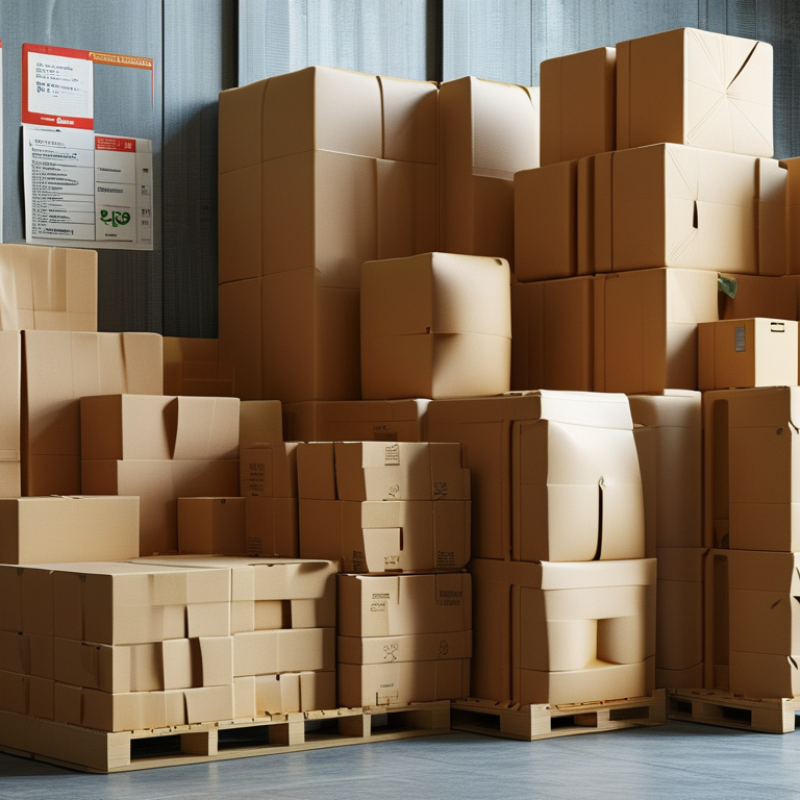
Understand PP Dunnage Bag Types and Their Protective Functions
How to Choose PP Dunnage Bags in 2026?
Understand PP Dunnage Bag Types and Their Protective Functions
When choosing PP dunnage bags in 2026, match the bag type to the cargo gap and transport conditions. Standard woven PP bags suit ordinary palletized goods in trucks, containers, and rail wagons. Laminated PP bags provide better resistance against humidity and abrasion. However, lamination does not make them completely waterproof. Heavy-duty versions usually contain stronger woven fabric and thicker inner liners. They work better for larger gaps or heavier cargo, when the load design allows proper inflation.
PP dunnage bags protect cargo in several practical ways. They fill empty space between pallets and reduce sideways movement during braking, turning, and vibration. Their inflated surface spreads pressure across a wider area. This helps prevent crushed cartons, broken corners, and pallet shifting. The cushioning effect is useful, but it has limits. Small gaps matter. Pressure is not protection.
Before loading, inspect the bag for cuts, weak seams, and damaged valves. Measure the gap instead of judging it by eye. A bag that is too small may not stabilize the load. An overinflated bag can press against packaging and create damage. Check the manufacturer’s pressure range, cargo weight, and contact surfaces. In practice, operators sometimes choose stronger bags than necessary and ignore poor placement. That is an expensive habit. A well-rated PP bag still needs balanced loading, even support, and careful inflation.
How to Choose PP Dunnage Bags in 2026? - Understand PP Dunnage Bag Types and Their Protective Functions
| PP Dunnage Bag Type | Typical Construction | Typical Application | Primary Protective Function | Indicative Gap Range | Typical Inflation Pressure | Main Selection Criteria | Important Limitations |
|---|---|---|---|---|---|---|---|
| Light-Duty PP Woven Bag | PP woven outer fabric with a polyethylene inner liner; commonly supplied with a standard inflation valve. | Small voids between cartons, bags, drums, or palletized goods in short-distance road transport. | Restrains minor lateral movement and reduces abrasion caused by cargo-to-cargo contact. | Approximately 5–15 cm | Usually about 0.2–0.3 bar, subject to the manufacturer’s specification. | Choose when the void is narrow, the load is relatively stable, and the transport cycle is short. | Not intended to bridge large gaps, support sharp edges, or replace blocking and bracing. |
| Standard-Duty PP Woven Bag | Stronger PP woven fabric and reinforced seams with an airtight PE liner; often available in several sizes. | General road, rail, and container shipments involving cartons, pallets, paper products, and intermediate bulk loads. | Fills voids, absorbs shock from braking and vibration, and maintains load stability during handling. | Approximately 10–30 cm | Commonly about 0.2–0.4 bar, depending on the bag level and transport application. | Match the bag size to the void and select a certified working load for the cargo and route. | The bag must not be used where it can be cut, punctured, or forced against exposed sharp corners. |
| Heavy-Duty PP Woven Bag | High-strength PP woven outer layer, reinforced valve and seams, and a robust polyethylene liner. | Heavy machinery, metal products, timber, stone, bagged raw materials, and dense palletized cargo. | Provides stronger lateral restraint and reduces impact loads transferred between heavy cargo units. | Approximately 15–40 cm | Often about 0.3–0.5 bar, only within the product’s approved operating range. | Consider cargo mass, edge protection, loading direction, vibration exposure, and the required restraint force. | A heavy-duty bag does not make an unstable or top-heavy load safe without proper blocking and securing. |
| Large-Gap PP Dunnage Bag | Large-format PP woven body with a flexible PE liner and reinforced construction designed for greater expansion. | Wide voids in containers, railcars, and trailers where cargo units cannot be positioned closely together. | Bridges a controlled void and distributes contact pressure over a broad cargo surface. | Approximately 30–50 cm, where permitted by the product specification. | Typically about 0.2–0.4 bar; do not exceed the stated maximum pressure. | Confirm the maximum permitted void, contact area, bag dimensions, and cargo-facing surface strength. | Large-gap use is highly specification-dependent; excessive void width can cause bag failure or cargo instability. |
| Reusable PP Dunnage Bag | Durable PP woven exterior, replaceable or serviceable valve options, and a liner designed for repeated inflation cycles. | Regular shipping lanes with repeatable load patterns and return logistics for collecting used bags. | Provides repeatable void filling while reducing single-use packaging consumption when properly inspected. | Approximately 5–40 cm, depending on the model. | Use the pressure specified for the particular bag; repeated use does not permit overinflation. | Evaluate return rates, inspection procedures, storage conditions, repairability, and lifecycle cost. | Remove any bag with punctures, damaged seams, valve leakage, excessive abrasion, or deformation. |
| Moisture-Resistant PP Dunnage Bag | PP woven outer fabric combined with a sealed PE liner; some designs include coated or laminated surfaces. | Sea containers, humid warehouses, and shipments exposed to condensation or changing temperatures. | Maintains void-filling performance in damp environments and helps limit moisture-related weakening of the packaging surface. | Approximately 5–30 cm | Usually about 0.2–0.4 bar, according to the approved specification. | Check liner integrity, valve sealing, humidity exposure, container cleanliness, and cargo compatibility. | A moisture-resistant bag is not a waterproof barrier for the cargo and cannot prevent container condensation. |
| High-Temperature-Resistant PP Dunnage Bag | PP woven structure with a liner and components selected for a specified temperature range. | Shipments exposed to warm warehouses, hot containers, seasonal temperature changes, or heat-generating cargo. | Helps retain air pressure and mechanical integrity when temperatures vary within the approved range. | Model-dependent; commonly used for small to medium voids. | Follow the product’s pressure limit and temperature rating; pressure changes with temperature. | Review the liner material, valve rating, maximum service temperature, and expected temperature cycle. | Do not place the bag directly against hot surfaces or exceed the stated temperature and pressure limits. |
| Rail and Intermodal PP Dunnage Bag | Reinforced PP woven body with a suitable liner, valve, and performance documentation for higher vibration environments. | Railcars, intermodal containers, and combined road–rail transport with repeated vibration and longitudinal shock. | Limits fore-and-aft movement, reduces shifting during acceleration and braking, and cushions vibration. | Approximately 10–40 cm, subject to the applicable loading rules. | Use only the documented operating pressure for the selected application. | Verify rail or intermodal approval requirements, load direction, void size, and required edge protection. | Transport-mode requirements differ; a bag suitable for road transport may not be approved for rail use. |