A-B-C Blog
How to Choose the Best Animal Ear Tags for Livestock?
Choosing the best animal ear tags begins with the animals, not the product catalog. Cattle, sheep, goats, and pigs differ in ear size, movement, and handling needs. A suitable tag should be easy to read, made for the intended species, and compatible with the applicator. Searches for Ear Tag Animal products may reveal many options, but the label alone does not tell you whether a tag fits your herd. Compare tag size, material, fastening design, and available identification details. Then check the manufacturer’s instructions before use.
Visibility matters in everyday work. A clear number can save time when animals move through a race or stand at a distance in a pen. Choose colors that contrast with the animals and remain easy for your team to recognize. Also consider weather exposure, cleaning routines, and how identification records will be stored. Keep tags and applicators clean, and ask a veterinarian or experienced livestock handler about suitable placement and technique. Follow applicable local identification requirements. Small details matter. Even a well-chosen tag can be lost or become hard to read, so inspect it during routine handling and keep records current. That part is easy to overlook. No single tag suits every farm; the best choice balances animal comfort, legibility, durability, and the practical habits of the people using it.
Identify Livestock Species and Identification Requirements
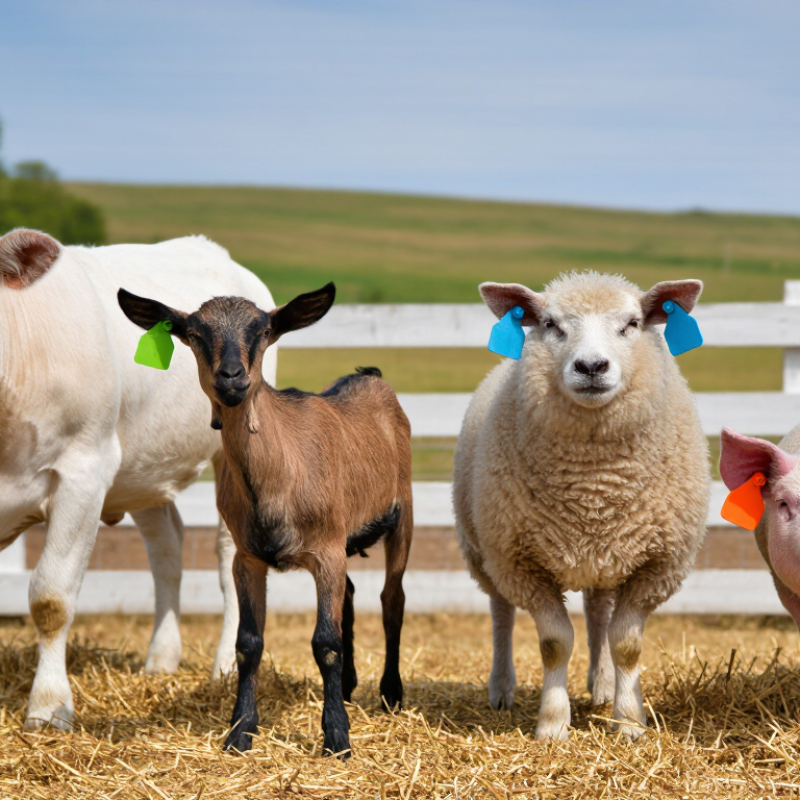
Before choosing an ear tag, identify the species and the animal’s age, size, and ear shape. A young goat’s ear is smaller and thinner than an adult cow’s, so a bulky tag may snag or cause avoidable irritation. Small ears matter. Check where the tag will sit, and leave enough space from the edge of the ear. A tag that looks suitable in a catalogue may feel different in the hand.
Next, clarify what the identification must do. Some farms need a unique number for each animal; others also need records linked to birth, movement, health, or production. Requirements can vary by region, species, and destination market, so confirm current guidance with the relevant agricultural authority or livestock adviser. Do not assume a tag accepted for one species or purpose will meet another requirement. Check twice.
Think about daily use, too. A number should remain readable after dust, rain, and routine handling. If animals move through a race or are checked from a distance, clear, high-contrast digits can save time. Match the tag applicator to the tag type, and follow the maker’s fitting instructions to reduce misplaced tags and ear damage. I have seen people focus on color first; it is understandable, but legibility and a secure fit usually matter more. Keep a simple record of tag numbers and replacements, since even careful systems occasionally lose a tag.
Compare Ear Tag Materials, Shapes, and Attachment Systems
Flexible polymer tags suit many herds because they bend under pressure and resist everyday moisture. Check that the material stays pliable in your local climate; stiff tags can be harder to apply and may irritate the ear. Metal options can provide a compact, durable identifier, but inspect edges and finishes for rough spots. A smooth surface matters. I would not choose by price alone, though that is an easy mistake to make when replacing many tags.
Shape affects reading and snagging. Broad, flat tags leave room for large printed numbers, while slimmer designs may catch less on fences or feeders. The trade-off is visibility: small numbers can be difficult to read from a few steps away. Attachment systems also need attention. Match the tag’s male and female parts to the applicator, and follow the maker’s placement guidance to avoid cartilage and visible vessels. Electronic tags require compatible readers, so test one before tagging a whole group. Check retention and ear comfort after application; even a well-chosen tag can fail if it is fitted poorly. No design is perfect. The best choice depends on animal size, housing, handling routines, and how reliably staff can read and maintain the tags.
| Tag type | Common material | Typical shape | Attachment system | Advantages | Points to consider | Common uses |
|---|---|---|---|---|---|---|
| Standard visual tag | Flexible polyurethane or other durable tag-grade plastic | Rectangular or rounded panel | Two-piece male-and-female tag secured with a pin and socket | Provides space for printed or handwritten identification; flexible material can move with the ear. | Choose a size suited to the animal and use the matching applicator. A large panel may be more exposed to snagging. | Cattle, sheep, and goats, where permitted and sized appropriately |
| Large visual “flag” tag | Flexible polyurethane or durable plastic | Extended rectangular or flag-shaped panel | Usually a two-piece pin-and-socket system | Larger surface can make identification easier to see from a distance. | The larger profile can catch on fencing or vegetation more readily than a compact tag. | Herds where visual identification from a distance is useful |
| Compact button tag | Polymer casing; may contain an RFID transponder | Small, round button | Male-and-female button components lock through the ear | Compact profile; electronic versions can be read with a compatible RFID reader. | Smaller tags offer less space for visible numbers. RFID tags require compatible readers and record-keeping systems. | Electronic identification programs and space-limited applications |
| One-piece loop-style tag | Flexible plastic or polyurethane | Loop or narrow strip with an identification panel | Integrated locking closure applied with the appropriate tool | Single-piece design can be quick to apply when the tag and applicator are correctly matched. | Confirm that the loop design, size, and locking mechanism are intended for the species and ear location. | Species-specific identification applications, including some swine systems |
| Metal identification tag | Commonly aluminum | Small flat plate, clip, or stamped shape | Clip, fastener, or other design-specific attachment | Can provide a compact, durable identification option; stamped markings do not rely on printed ink. | Check that edges are smooth, the attachment fits the animal, and the tag complies with local identification rules. | Some sheep and goat identification programs, subject to local requirements |
| RFID visual tag | Flexible tag material with an enclosed RFID transponder | Panel, flag, or button, depending on the system | Usually a species-specific pin-and-socket or button fastening system | Combines visible identification with electronic reading, supporting faster individual record capture. | Verify the frequency, reader compatibility, tag placement, and applicable official identification standards before purchase. | Livestock operations using electronic identification and compatible management equipment |
Evaluate Numbering, Visibility, and Electronic Tracking Features
How to Choose the Best Animal Ear Tags for Livestock?
A useful ear tag should connect each animal to a clear, accurate record. Choose numbering that is easy to read and matches your farm’s record system. Large, high-contrast digits are easier to spot in a pen or from a few steps away. Color can help distinguish groups, but do not rely on color alone. Dust, mud, and fading can make it less reliable. Keep the system simple enough for everyone handling the animals to use consistently.
Electronic tracking can speed up identification, but check that tags work with your existing reader and software. Read range may vary with tag position, reader angle, and the surrounding environment. A visible printed number is still valuable when a scan fails or equipment is unavailable. Test a sample under your normal handling conditions before ordering a large batch. It is easy to focus on features and overlook everyday usability.
Check Durability, Animal Comfort, and Regulatory Standards
How to Choose the Best Animal Ear Tags for Livestock?
Check durability before buying. Tags face sun, rain, mud, and repeated rubbing against fences. Look for flexible material that resists cracking in cold weather and fading under strong sunlight. A sturdy fastener should stay secure without sharp edges. Ask suppliers for material specifications or wear-test information, rather than relying on appearance alone. Nothing lasts forever.
Animal comfort depends on fit and application. Choose a tag size suited to the animal’s age and ear shape, and use the correct applicator. Position it in the recommended area, away from cartilage ridges and visible vessels. Clean equipment and follow handling guidance to reduce injury and infection risk. Check ears during routine handling for swelling, discharge, or snagging. Even a well-fitted tag can irritate an animal if the ear is damaged or the tag catches on fencing.
Regulatory standards vary by location, species, and identification purpose. Before ordering, confirm current requirements with the relevant livestock authority or veterinarian. Check whether tags need official numbering, a specific color, or approved placement. Keep purchase records and note application dates; these details can help during inspections or animal transfers. Requirements can change, and a tag that worked last season may not meet today’s rules. Verify, don’t assume.
Select Compatible Applicators and Plan Tag Placement and Care
A tag is only as reliable as the applicator that sets it. Check that the applicator matches the tag’s pin and button design; parts that look similar may not fit securely. Test the tool before approaching an animal. The pin should move smoothly, and the jaws should close without excessive force. Fit matters. Clean and disinfect the applicator between animals, following veterinary guidance and product instructions. A bent pin or loose hinge can cause poor placement, so replace damaged parts rather than improvising.
Plan placement for the species and tag type. In many livestock systems, tags sit in the middle portion of the ear, away from the outer edge and visible veins. Avoid placing a tag through thick cartilage or where it may catch on fencing. Keep the animal securely restrained, and use clean hands or gloves. Small details count. After tagging, check that the tag is fastened correctly and can move without pinching tissue. Inspect the ear during routine handling for swelling, heat, discharge, or a tag that has shifted. If irritation appears, ask a veterinarian for advice. Placement can be less tidy than expected in a restless animal; pause and reassess rather than forcing the applicator.
How to Choose Livestock Ear Tags: Applicator Compatibility, Placement & Care
Use these qualitative planning scores (1 = lower priority, 5 = highest priority) to guide tag selection. Confirm that the tag matches the applicator, follow the tag maker’s placement instructions, use clean equipment, and check tags regularly for readability and signs of irritation.