How to Choose the Best Beverage Can for Your Business Needs?
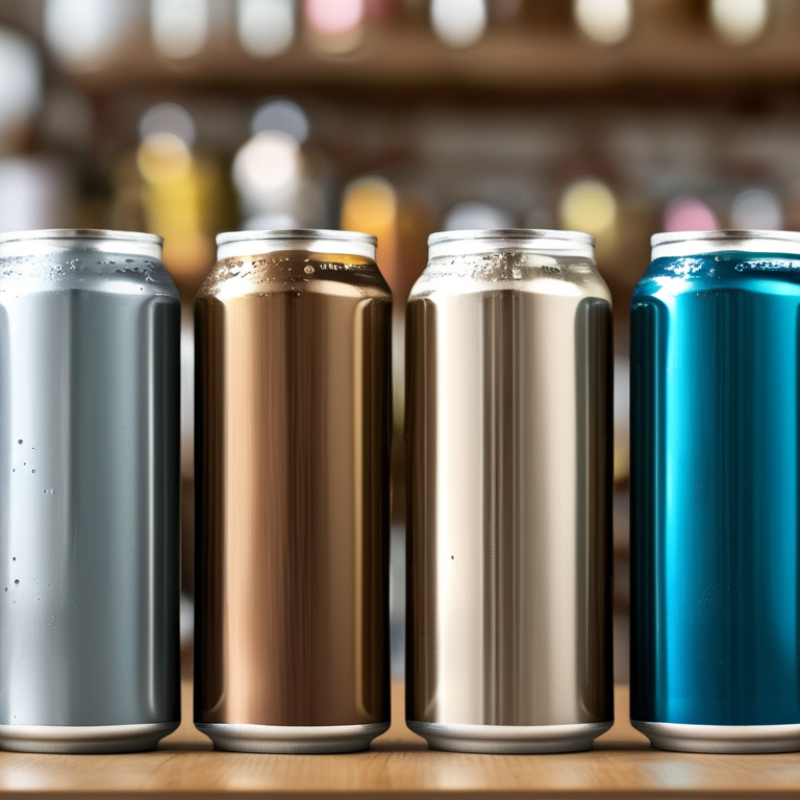
Choosing the best beverage can for your business needs is crucial. The right beverage can can enhance your product’s appeal. It affects storage, transport, and customer preferences.
Consider material options. Aluminum cans are light and recyclable, which appeals to eco-conscious consumers. Steel cans are durable and often cheaper for bulk orders. Understand your target market to make informed choices.
Evaluate size and design. The right size influences production costs and retail space. An attractive design can capture attention and boost sales. Reflect on your brand identity as well. Ultimately, the beverage can you choose represents your business.
Understanding Different Types of Beverage Cans Available on the Market
When selecting a beverage can for your business, it's essential to understand the types available. Aluminum cans are lightweight, making them a popular choice. They are recyclable and can keep beverages fresh. Glass bottles, while heavier, offer a premium feel. They are ideal for craft beverages. Then, there are PET cans, which are gaining traction. They are made from plastic and are often seen in ready-to-drink products. Each type has its unique advantages and potential drawbacks.
Consider factors like shelf life and consumer preferences. Aluminum cans are efficient for quick cooling. However, they may not provide the same taste protection as glass. Glass can worsen shipping costs due to its weight. PET cans might not deliver the premium look that some brands desire. Understanding these trade-offs can guide your decision on the best beverage can for your business. It's important to reflect on your brand image and target audience while making this choice.
How to Choose the Best Beverage Can for Your Business Needs
| Type of Can | Material | Volume (ml) | Weight (g) | Recyclability |
| Standard Aluminum Can | Aluminum | 330 | 15 | Yes |
| Steel Beverage Can | Steel | 500 | 20 | Yes |
| Soda Can | Aluminum | 355 | 14 | Yes |
| Energy Drink Can | Aluminum | 473 | 16 | Yes |
| Craft Beer Can | Aluminum | 355 | 14 | Yes |
Evaluating Your Business Requirements for Beverage Packaging
When evaluating your business requirements for beverage packaging, start by identifying your target audience. Understanding who will drink your beverage is crucial. Are they health-conscious consumers, busy professionals, or families? Each group has different needs, which will influence your packaging choice.
Next, consider the nature of your beverage. Is it carbonated, juice-based, or a premium craft drink? Each type requires unique packaging properties to maintain freshness and flavor. Think about the shelf life, and how the packaging might affect your drink's quality. It's also essential to weigh the environmental impact of your packaging choices. Many consumers today prefer eco-friendly options.
Finally, reflect on your brand's image. Your packaging should resonate with your brand identity. Are you going for a sleek, modern look, or something more traditional? The visual appeal can attract customers but ensure it aligns with your product's essence. Balancing these elements might be challenging but is crucial for long-term success.
Key Factors to Consider When Choosing Beverage Cans
When selecting the best beverage can for your business, several key factors matter. The size of the can is critical. A can that holds 12 ounces might suit soda, while larger cans are ideal for energy drinks. Think about your target audience. What do they prefer? Different customers have different expectations.
Material is another crucial consideration. Aluminum cans are lightweight and recyclable, making them a popular choice. However, steel cans offer durability and are often less expensive. Make sure you weigh these options based on your business model and goals.
Lastly, think about design and branding. The aesthetics of the can can greatly influence consumer choice. A visually appealing can catches the eye and can enhance your brand image. However, balancing design with functionality is a challenge. Can your design withstand the rigors of transport and storage? Reflecting on these factors can lead to a well-informed decision.
Comparing Costs and Sustainability of Various Can Materials
Choosing the right beverage can material is crucial for a business. It impacts costs and sustainability. Different materials like aluminum, steel, and plastic have unique benefits and drawbacks. Aluminum cans are lightweight and recyclable, which helps reduce carbon footprints. However, they can be expensive and energy-intensive to produce.
Steel cans are durable and often more affordable, but their recyclability depends on local facilities. Plastic cans offer flexibility but often end up in landfills. In the current market, the perception of sustainability is critical. Consumers increasingly prefer eco-friendly options. This demand forces businesses to reconsider their packaging choices.
Balancing cost and sustainability requires careful analysis. It's not always straightforward. A cheaper can might not be the best choice if it harms the environment. Evaluating long-term impacts can help make informed decisions. Businesses need to be transparent about their choices to build trust with consumers. A well-thought-out can selection can elevate brand reputation and meet market expectations.
Comparing Costs and Sustainability of Beverage Can Materials
This chart compares the average costs and recycled content of three popular beverage can materials: Aluminum, Steel, and Biodegradable Plastic. The data illustrates the trade-offs between cost and sustainability for businesses considering which can material to use.
Selecting the Right Size and Design for Your Beverage Brand
When selecting the right size and design for your beverage brand, it is essential to consider consumer preferences. Recent industry reports indicate that 70% of purchasing decisions are influenced by packaging design. A well-designed beverage enhances brand identity and attracts customers' attention. The shape, color, and visual elements on the can matter significantly. Studies show that consumers often associate unique shapes with quality, which can lead to higher sales.
Size is another crucial factor. A recent market analysis revealed that products in the 12-ounce and 16-ounce sizes dominate the beverage market. These sizes cater to a wide range of consumer needs, from casual drinking to sharing with friends. However, some brands may consider experimenting with different sizes to cater to niche markets. Smaller sizes appeal to health-conscious consumers seeking controlled portions, while larger sizes are popular among social drinkers.
Design changes should be iterative. Gathering consumer feedback can guide your design choices. Not all designs resonate equally with target audiences. Conducting focus groups may reveal unexpected preferences. This process can clarify which elements of the design stand out and which fall flat. Pay attention to these insights; they can make or break your product's success in a competitive market.