
A-B-C Blog

How to Choose the Best Chocolate Wrapping Machinery?

Choosing Chocolate Wrapping Machinery is not just a speed decision. It affects product protection, presentation, labor, and production flow. A machine that runs quickly on a brochure may struggle with your actual chocolate. Think about bar dimensions, coatings, seasonal shapes, wrapper materials, and how often operators change formats. Small details matter. A cracked corner or loose fold can turn a good product into avoidable waste.

A practical rule from fictional composite packaging specialist Elena Ward captures the trade-off: “Choose the machine for the chocolate you actually make, not the speed you hope to reach.” This is an illustrative quote, not a verified statement from a real expert. Use it as a prompt to test equipment with your own products. Watch how wrappers feed, seals form, and settings change between batches. Ask about cleaning access, operator training, spare parts, and local service support. A hands-on trial often reveals more than a polished specification sheet.

This guide explains how to compare machine types, output rates, wrapping styles, and total operating costs. It also considers flexibility for future product lines. Be realistic about your production plans. More capacity is not always better. Sometimes it brings extra complexity. And sometimes the simplest machine is not the right one. Review your needs carefully, then compare options against measurable requirements.
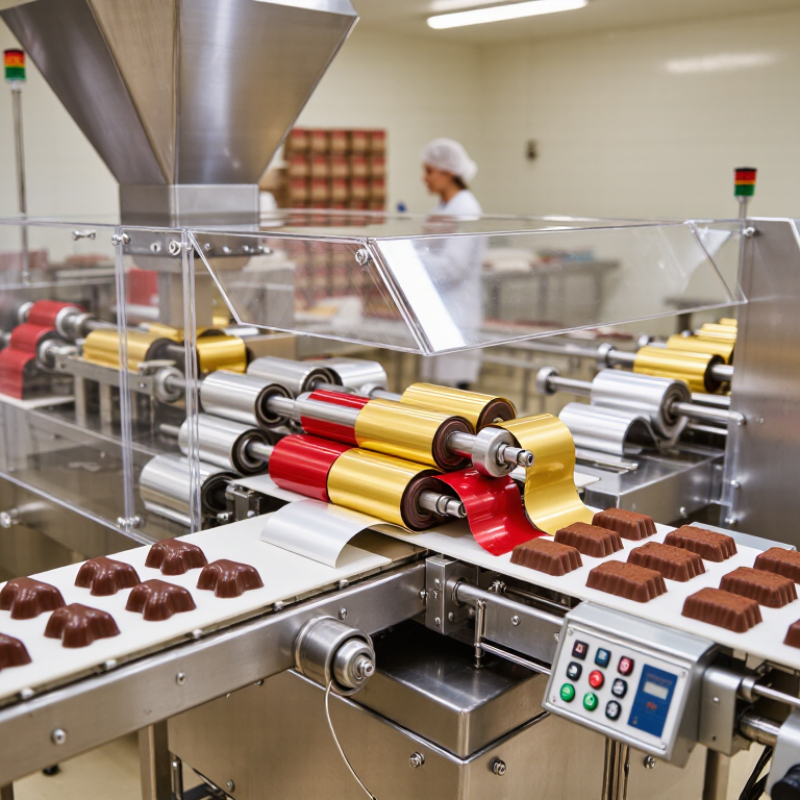
How to Choose the Best Chocolate Wrapping Machinery?

Define Your Chocolate Products and Packaging Requirements

Before comparing chocolate wrapping machines, define the product precisely. A 20-gram flat bar needs different handling from a round truffle or a filled praline. Record each item’s dimensions, weight, shape, surface texture, and temperature at wrapping. Does the chocolate soften quickly? Is it dusty, sticky, or decorated with fragile inclusions? Small details matter. A product that shifts or smears can cause poor folds and rejected packs.

Then specify the pack itself: material, format, seal style, print requirements, and whether the wrapper must protect against light, moisture, or aroma loss. Note expected output per minute, batch size, changeover frequency, and available floor space. PMMI’s 2023 State of the Industry report estimated U.S. packaging machinery shipments at about $10.9 billion, up 5.8% from 2022. That figure reflects a large, evolving equipment sector; it does not mean the fastest machine is right for every chocolate line. Ask suppliers to test your actual product and packaging material at realistic speeds. Bring samples, including the awkward ones. I have seen specifications miss a simple issue: a slightly wider bar needing more wrapper overlap. Recheck assumptions before selecting machinery.

Compare Wrapping Machine Types and Compatible Materials

Choosing wrapping machinery starts with chocolate shape and wrapper behavior, not advertised speed. Fold-wrapping systems suit solid bars and pralines, using foil, paper, or laminates that hold crisp creases. They create a close finish, but delicate coatings may scuff if feeding pressure is poorly adjusted. Twist wrapping works well for small, firm pieces with projecting ends. Waxed paper or suitable barrier films can twist securely. Sticky centers can be troublesome.

Flow wrappers form a sealed pack around each piece, often using heat-sealable films such as polypropylene-based laminates. They support higher output and consistent pillow packs, but film thickness, seal temperature, and product spacing need trials. Cold-seal papers may suit heat-sensitive chocolate, though their coating and unwind behavior must match the line. For molded pieces, trays or boxes can protect edges better than tight wrapping, but add handling steps. No setup is universal. Run actual samples through the machine in warm and cool conditions, then inspect seals, wrinkles, and breakage. Material names alone are not enough; coatings and seal layers vary, and small tests can reveal awkward mismatches.

How to Choose the Best Chocolate Wrapping Machinery?

Compare wrapping machine types by how well they typically handle common packaging materials. Ratings are indicative (1 = limited fit, 5 = strong fit); actual compatibility depends on machine specifications and material construction.

Twist-wrap machines are commonly suited to foil and twist-retaining papers, fold-wrap machines to foil and wrapping papers, and flow-wrap machines to heat-sealable flexible films. Confirm material dimensions, sealing requirements, and machine capabilities with the equipment supplier.

Evaluate Speed, Precision, and Production Capacity

When choosing chocolate wrapping machinery, compare rated speed with the rate your team can consistently feed and inspect. A machine listed at 300 pieces per minute may not sustain that pace with irregular praline sizes or frequent film changes. Run a trial using your own products and packaging. Watch for skewed seals, loose folds, and chocolate scuffs after cooling. Small defects matter.

Tips: Measure output over a full shift, not just a brief demonstration. Record changeover time, rejected pieces, and film waste. Ask operators to test adjustments while wearing gloves. Keep samples from each trial; visual checks help, but weight and seal tests provide stronger evidence.

Precision should match the product shape and wrapper style. Delicate, tapered chocolates need gentle handling and repeatable film tension; otherwise, edges can crack or wrappers may twist. Capacity also depends on cooling, cartoning, and staffing. A fast wrapper can simply move the queue elsewhere. Check whether settings are easy to repeat after cleaning, and request clear maintenance guidance and measurable performance data. There is rarely a perfect fit. A slightly slower line may run more steadily, though trial conditions never capture every shift. Leave room for adjustment.

Assess Hygiene, Changeover, Maintenance, and Support

When comparing chocolate wrapping machinery, inspect where residue collects, not just the polished outer panels. Ask how belts, guides, and product-contact parts are removed, cleaned, and reinstalled. If tools are needed, watch the task during a factory trial. Check for open seams, awkward corners, and drip points near the wrapping path. Chocolate softens with warmth, so trapped residue can turn sticky quickly. Confirm cleaning instructions fit your product and shift schedule. Small details matter.

Changeover speed matters when switching between bar sizes or wrapper formats. Request a timed demonstration with your operators, not only a technician. Note which settings are stored and which need hand adjustment. Clear scales, labeled knobs, and repeatable recipes can reduce trial pieces. Still, a quick changeover on paper may feel awkward on a crowded floor. Test the real sequence. Ask what happens after a jam and whether opening a guard erases settings.

Maintenance and support can determine whether a minor fault becomes a long stoppage. Check access to bearings, heaters, sensors, and film paths. Ask which parts are routine wear items, then review a sample maintenance schedule. Clarify response hours, spare-part lead times, and training for night shifts. Ask for references from plants with similar output. I would be cautious about promises alone; check them against service records or a live support example when possible.

How to Choose the Best Chocolate Wrapping Machinery? - Assess Hygiene, Changeover, Maintenance, and Support

Evaluation area What to assess Indicators of a good fit Evidence to request
Hygiene and cleanability Product-contact surfaces, frame design, access for cleaning, and protection from lubricant or debris contamination. Food-contact materials are identified; product zones are accessible; the design minimizes dirt traps and allows cleaning procedures appropriate to the facility. Material specifications, equipment drawings, cleaning instructions, and details of applicable food-safety compliance.
Changeover flexibility Time and steps needed to switch product size, wrapping material, fold style, or format; tools and operator adjustments required. Change parts are clearly identified; adjustments are repeatable; recipes or documented settings are available where applicable; the machine supports the required product range. A changeover demonstration using the facility’s products and packaging materials, plus a list of format parts and adjustment steps.
Maintenance and reliability Access to wear parts, lubrication points, fault diagnostics, preventive maintenance tasks, and the availability of spare parts. Routine service points are accessible; maintenance tasks and intervals are documented; common wear parts are identifiable and replaceable without unnecessary disassembly. Maintenance schedule, recommended spare-parts list, service manuals, and examples of alarm or fault information shown to operators.
Technical support and training Installation assistance, operator and maintenance training, troubleshooting channels, service coverage, and documentation language. Responsibilities and support hours are defined; training covers safe operation and routine tasks; escalation procedures and spare-parts ordering processes are clear. Written service terms, training plan, commissioning scope, technical documentation, and support response commitments.
Product and packaging compatibility Chocolate dimensions, shape, temperature and surface condition, as well as wrapper type, material properties, and seal requirements. The supplier confirms compatibility with the actual products and materials; trials check feeding, wrapping quality, and finished-pack consistency. A product-and-material trial, documented operating conditions, and agreed acceptance criteria for the finished pack.
Safety and integration Guarding, emergency stops, operator access, electrical requirements, line speed coordination, and connections to upstream or downstream equipment. Safety features and interfaces are documented; the layout allows safe operation and cleaning; the machine can be evaluated as part of the complete production line. Risk and safety documentation, utility requirements, interface details, and a proposed line layout.

Match the Machine to Your Budget and Future Growth

When choosing chocolate wrapping machinery, compare the purchase price with the cost of running it. PMMI’s 2024 State of the Industry report put U.S. packaging machinery shipments at about $10.9 billion in 2023, reflecting continued investment across the sector.

That figure is context, not a promise of sales growth for your factory. Your own order patterns matter more. Record actual output, changeover time, rejects, and labor needs before setting a machine speed target.

A small producer may value a compact wrapper that handles short runs and frequent product changes. A growing line may need faster feeding, automatic film splicing, or room for downstream case packing.

Check whether the machine handles your chocolate’s shape, wrapper material, and temperature-sensitive surfaces. Ask for a test using your actual products. A glossy coating can scuff. It happens.

Budget for more than the machine. Include installation, operator training, spare parts, and maintenance access. Compare the cost per wrapped piece, not just the quoted price.

Leave some capacity for growth, but avoid paying for speed your production plan cannot use. A modular machine can be a sensible middle ground, although extra options can complicate setup.

I would challenge one assumption: projected demand is often optimistic. Use several realistic production scenarios, then choose equipment that fits today and can expand without replacing the whole line.