How to Choose the Best Pipe Welding Machine for Your Needs?
Choosing the right Pipe Welding Machine is essential for any welding project. The market offers a diverse range of options, each catering to different needs. According to a recent industry report by Welding Insights, about 40% of welders express challenges in selecting the appropriate machine for their projects. This statistic highlights the importance of making an informed choice.
Expert Bob Johnson, a well-renowned figure in welding technology, emphasizes, “The right Pipe Welding Machine can make or break a project.” With countless models available, several factors need consideration. These include the machine's power, durability, and the types of materials you'll be working with. A mismatch can lead to inefficiencies or even project failures, which can be costly.
While some may prioritize cost, it’s crucial to weigh this against quality and capability. Some cheaper models lack the features necessary for complex welding tasks. The decision-making process involves understanding your unique requirements and available options thoroughly. Embracing a clear vision of your welding goals is vital for successful outcomes.
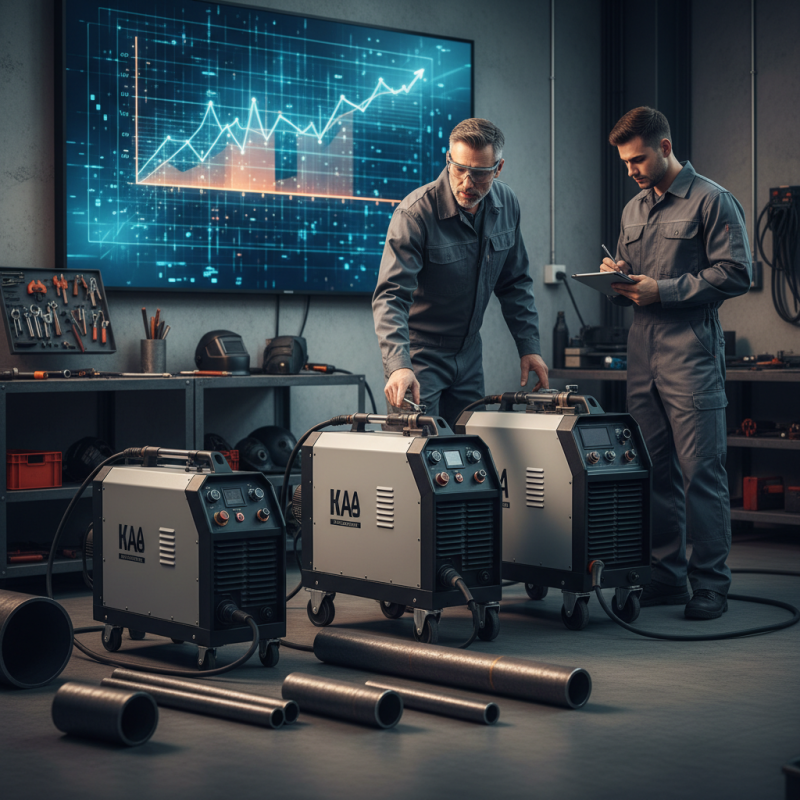
Understanding the Different Types of Pipe Welding Machines Available
When selecting a pipe welding machine, it’s crucial to understand the primary types available. Each type serves specific applications and offers unique features. Manual welding machines are often more affordable and provide flexibility for intricate work. However, they require more skill and labor. Automatic machines, on the other hand, enhance efficiency and precision. They are ideal for larger projects but come with a steep learning curve.
Another important category is semi-automatic machines. These machines combine both manual and automatic processes. They can be a good compromise for those seeking efficiency without full automation. Then there are inverter machines, which are lightweight and portable. While they produce high-quality welds, they might struggle with thicker materials.
Choosing among these types involves reflecting on your project's demands. Consider the material thickness, available space, and desired weld quality. It's easy to get caught up in the latest features, but it's essential to remember basic needs. Not every machine will fit every scenario. Taking the time to assess your unique requirements can lead to a better decision in the long run.
Assessing Your Welding Needs and Project Requirements
When assessing your welding needs, consider the types of pipes you will work with. Different materials, such as carbon steel, stainless steel, and aluminum, require specific welding techniques. According to the American Welding Society, approximately 70% of all fabricated metal products use welded joints. This statistic emphasizes the importance of selecting the right machine for durability and performance.
Project requirements also play a crucial role in your choice of welding equipment. Factors such as pipe diameter, wall thickness, and joint configuration should guide your decision. For example, heavier pipes may necessitate machines that can handle higher amperage and provide deeper penetration. The Fabricators & Manufacturers Association reports that many operators prefer machines with multi-process capabilities, enhancing versatility.
Finally, consider your skill level. A novice might struggle with complex machines. Some advanced features, while appealing, can complicate basic tasks. It’s essential to balance functionality with user-friendliness. Investing in the right pipe welding machine enhances efficiency but requires thoughtful consideration of your specific needs.
Pipe Welding Machine Specifications Comparison
This chart compares various pipe welding machines based on their power output (in Amps) and duty cycle percentage. Understanding these specifications is crucial in selecting the best welding machine for your specific needs.
Key Features to Look for in a Pipe Welding Machine
When selecting a pipe welding machine, various key features define its efficiency and versatility. One crucial aspect is the welding process compatibility. Machines should support processes like MIG, TIG, and Stick welding. According to industry reports, around 25% of welding jobs require a multi-process machine. This flexibility allows welders to tackle diverse projects with ease.
Power output is another significant factor. A machine with adjustable amperage provides better control, enhancing the quality of the weld. Research shows that 70% of experienced welders prefer machines with a range of 150 to 250 amps for pipe welding. This range meets the needs of both thin and thick pipes effectively.
Portability matters, especially for fieldwork. Machines weighing over 200 pounds can limit mobility. Compact models often provide the required power without the excess weight. Moreover, user-friendly controls improve operational efficiency. A well-designed interface enhances weld settings adjustments for improved precision. Despite these features, the availability of advanced technology does not negate the necessity for operator skill and experience. Continuous training is essential to make full use of the equipment’s potential.
Budget Considerations for Purchasing a Welding Machine
When selecting a welding machine, budget is a critical factor. A lower-priced machine may seem appealing, but it can lead to higher costs down the line. In many cases, cheaper machines lack necessary features, resulting in additional repairs or replacements. Thus, it’s crucial to balance upfront costs with long-term reliability.
Consider how often you plan to use the machine. If you’re a hobbyist, a mid-range option may suffice. For professionals, investing in a higher-quality machine can save you money in the long run. Think about the materials you will be working with. Some machines are suited for specific metals, impacting your choice and budget.
Don’t forget to factor in additional expenses. Safety gear and maintenance tools can add to your overall costs. Look for machines with good warranties and customer support. They offer an added layer of reliability. In the end, understanding your needs and doing thorough research will lead to better purchasing decisions.
Maintenance and Safety Tips for Pipe Welding Machines
Maintaining pipe welding machines is crucial for both performance and safety. Regular upkeep can prevent unexpected breakdowns. Check connections and cables routinely. Keep the workspace organized to avoid hazards. Ensure all safety gear is in good condition. It’s essential to read the machine’s manual for specific maintenance guidelines.
Inspecting your welding machine is key. Ensure proper ventilation to prevent harmful fumes. Dust and debris can accumulate, leading to overheating. Think about establishing a weekly cleaning routine. This habit helps maintain efficiency and prolongs the life of your equipment.
Ensure safety tips are always at hand. Keep a fire extinguisher nearby. Know how to use it effectively. If accidents happen, having a first aid kit ready can make a difference. Remember, training is vital. Regular workshops can reinforce safety procedures. Each welder must understand the risks involved with pipe welding. Their safety is paramount.
How to Choose the Best Pipe Welding Machine for Your Needs? - Maintenance and Safety Tips for Pipe Welding Machines
| Feature | Description | Importance |
| Type of Welding | MIG, TIG, Stick | Choose based on material and thickness |
| Power Source | AC or DC | Affects efficiency and functionality |
| Duty Cycle | Percentage of time usable | Higher duty cycle = more continuous work time |
| Portability | Weight and ease of transport | Essential for on-site jobs |
| Safety Features | Overload protection, safety shutoff | Minimize risk of accidents |
| Ease of Use | User-friendly controls and settings | Reduces learning curve for new users |
| Maintenance Requirements | Regular servicing and upkeep | Prolongs lifespan and performance |


