How to Choose the Best Shale Shaker Screen for Your Needs?
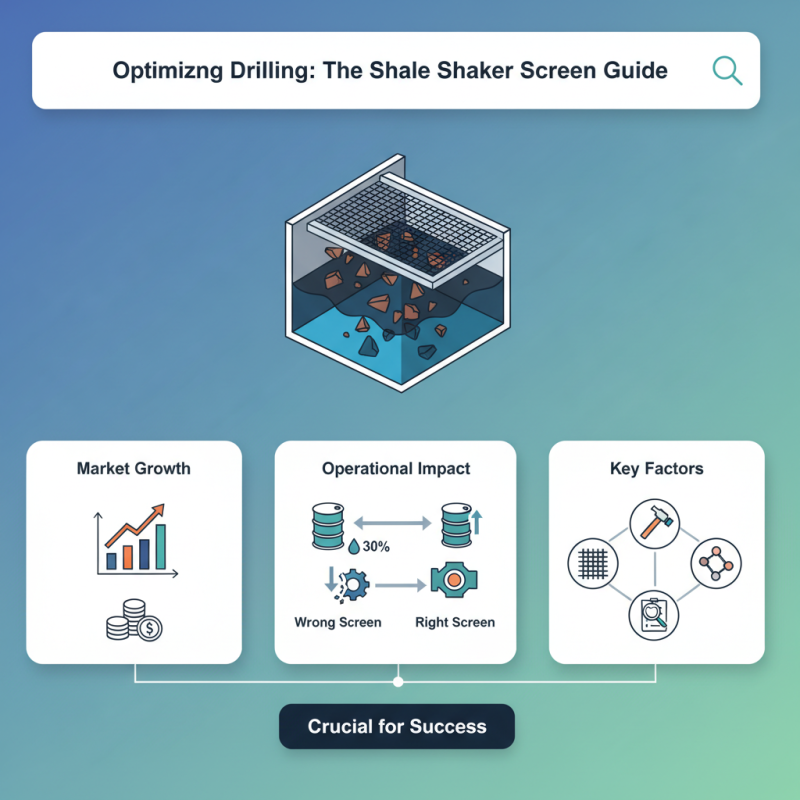
Selecting the right shale shaker screen is crucial for effective drilling operations. The global market for shale shaker screens is projected to reach $1.3 billion by 2026 (Research and Markets, 2023). This growth highlights the importance of choosing the right equipment for optimal performance.
In a drilling operation, the shale shaker screen plays a vital role in separating drill cuttings from the drilling fluid. Using the wrong screen can lead to operational inefficiencies. A recent study showed that improper screen selection could increase fluid loss by up to 30% (Drilling Contractor, 2023). This places financial and operational strain on companies.
When evaluating shale shaker screens, consider factors like mesh size, material, and durability. Not every screen will suit your specific needs. Many users overlook these factors, leading to suboptimal performance. Failing to analyze these details can result in costly mistakes. Selecting the right shale shaker screen is more than just a choice; it's essential for your success.
Understanding the Purpose of Shale Shaker Screens in Drilling Operations
In drilling operations, shale shaker screens play a crucial role. They separate drilled cuttings from the drilling fluid. This process enhances fluid efficiency and reduces costs. According to a recent industry report, effective shale shaker screens can improve drilling performance by up to 15%. Choosing the right screen can profoundly impact overall operation efficiency.
The screen's mesh size is vital. A finer mesh traps smaller particles, while a coarser mesh allows for faster fluid flow. Understanding your drilling environment helps determine the best size. For example, in rocky formations, a coarser screen might be more appropriate. Conversely, softer formations may require finer screens.
Tips: Always consider the type of drilling fluid in use. Water-based fluids and oil-based fluids each interact differently with screens. Assess your flow rates regularly. This can help you identify when it's time to change or upgrade your screen. Analyzing wear and tear is essential. Do not overlook signs of damage, as these can lead to inefficiencies. Balancing cost and performance is key.
Shale Shaker Screen Performance Comparison
This chart compares the separation efficiency of different types of shale shaker screens used in drilling operations. Understanding these differences can help you choose the best screen for your specific needs.
Key Factors to Consider When Selecting Shale Shaker Screens
Choosing the right shale shaker screen can be challenging. There are many factors to consider. One key factor is the mesh size. Mesh size determines the particle size the screen can filter. Smaller mesh screens capture finer particles, but may also clog more easily. A larger mesh might allow for faster flow rates but could miss important sediment.
Another factor is the material of the screen. Different materials offer varying durability and performance. Stainless steel and plastic are common options. Stainless steel provides better longevity. However, plastic can be lighter and less expensive. Think about your specific needs. What environment will the screen be used in? Will it be subjected to harsh conditions?
Consider the screen's design as well. Some screens have a higher separation efficiency. This means they can segregate solids more effectively. Flat screens may be easier to clean, while pyramid or wave-shaped ones can offer better durability. Each has its advantages and disadvantages.
It's vital to evaluate your operational needs. There may not be a perfect choice. What works well in one scenario may not work in another. Keep an open mind and be prepared to adapt.
Types of Shale Shaker Screens and Their Applications
When selecting shale shaker screens, understanding different types is crucial. Each screen serves unique applications in the drilling process. Wire mesh screens are common. They are effective for coarse separation. These screens can be made from stainless steel or other materials, providing durability.
Another type is the perforated plate screen. It offers better resistance to wear but may not filter as finely. This can be a disadvantage in certain situations. By contrast, composite screens blend the strengths of both wire mesh and perforated plate. They promote faster flow rates while maintaining solid separation.
It's vital to match the screen type to your specific drilling conditions. Some might prioritize durability; others may need finer filtration. Consider how often you’ll change screens. Cost can add up quickly. Evaluating effectiveness against your budget can shape your decision. Overall, the right choice often comes down to a balance of needs and practical constraints.
How to Choose the Best Shale Shaker Screen for Your Needs? - Types of Shale Shaker Screens and Their Applications
| Screen Type | Mesh Size (API) | Application | Material | Advantages |
| Steel Frame Screen | 20 - 250 | Oil-based mud | Steel | Durable and strong structure |
| Composite Screen | 80 - 325 | Water-based mud | Composite Material | Lightweight and corrosion-resistant |
| Flat Screen | 40 - 200 | Drilling fluids with larger solids | Aluminum | Good filtration and reduces clogging |
| Pyramid Screen | 60 - 400 | High-viscosity mud | Steel with a coating | Increased screening efficiency |
| Hook Screen | 30 - 250 | General drilling operations | Stainless Steel | Ease of installation and replacement |
Evaluating Screen Mesh Size for Optimal Performance
When choosing a shale shaker screen, mesh size plays a critical role in its efficiency. A finer mesh size captures smaller particles, enhancing the clarity of the drilling fluid. However, it may also increase the risk of blinding. This happens when particles clog the screen, leading to reduced flow rates. Balancing these factors is essential for optimal performance.
On the other hand, a coarser mesh allows for better flow but can let undesirable larger particles through. This may compromise the quality of the drilling fluid. Consider the specific needs of your project. It is vital to evaluate the types of formations you are dealing with. Each formation can produce different sizes of drill cuttings, affecting your choice of screen mesh.
Think about the operational conditions as well. High viscosity fluids may necessitate a different mesh size than low viscosity ones. Regularly monitoring the screen condition can also help you identify when a change is necessary. Mistakes happen; choosing an inappropriate mesh can lead to inefficiencies. Reflecting on past experiences can guide future decisions, allowing for more tailored solutions.
Cost Considerations and Budgeting for Shale Shaker Screens
When budgeting for shale shaker screens, consider both short-term and long-term costs. The initial purchase price varies widely, influenced by material quality and design. A detailed report indicates that effective screens can range from $1,500 to $10,000 each. This range reflects durability and performance.
Operational costs can also add up. Maintenance is crucial for maximizing lifespan. Poor maintenance can lead to premature replacement. Industry studies suggest that up to 30% of total costs come from maintenance issues. Regular inspections are vital to prevent these costs from spiraling.
Keep in mind the impact of screen performance on overall operations. A higher-quality screen can improve efficiency by up to 20%. This can translate to significant savings in fluid loss and disposal costs. While the upfront investment in top-tier screens may seem daunting, the long-term benefits are often overlooked. Balancing cost with performance is essential for making an informed decision.


