Why Choose the Right Aircond Coil for Your HVAC Needs?
Choosing the right Aircond Coil is critical for your HVAC system's efficiency. An appropriate coil can significantly impact energy consumption and performance. The Aircond Coil is essential in heat exchange, ensuring optimal temperatures indoors.
Understanding the various types of coils is key to making an informed decision. For instance, not all coils perform equally in different climates. A coil's material, capacity, and design can influence your system's reliability and longevity. Many homeowners overlook these aspects, which can lead to costly mistakes.
Selecting the right Aircond Coil goes beyond just specifications. It's about meeting your unique needs. Take time to evaluate your options. Seek expert advice when needed. In doing so, you can enhance comfort in your space while reducing energy costs. Personal experiences can guide your choices, but ensure they align with professional recommendations.
Factors to Consider When Selecting Air Conditioning Coils
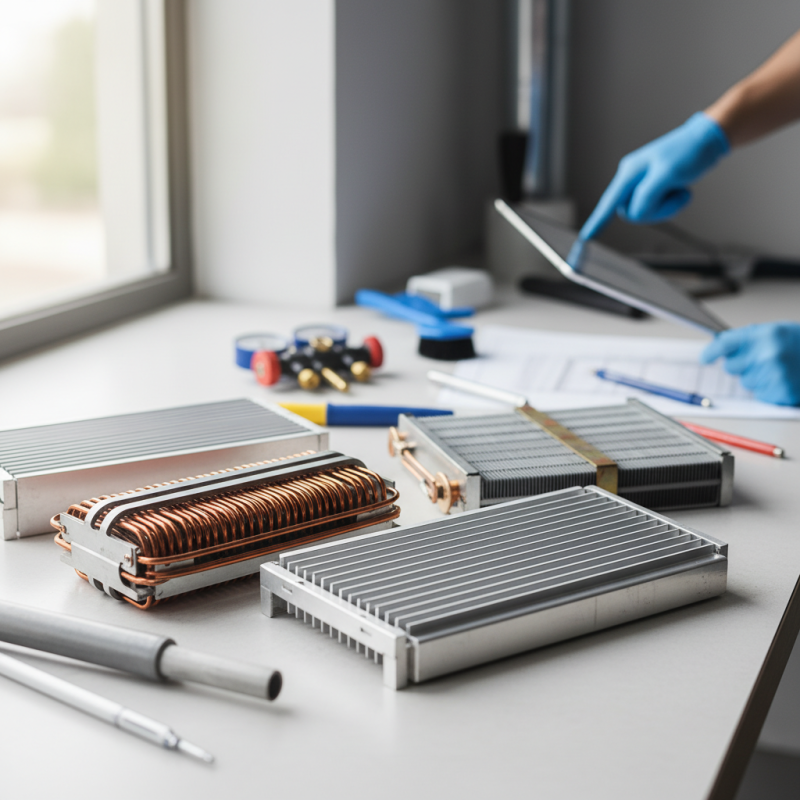
When selecting air conditioning coils, several critical factors come into play. The coil type significantly influences overall HVAC performance. Copper and aluminum coils dominate the market, but each material has unique attributes. According to a recent industry report, copper coils are preferred for their superior heat transfer capabilities, offering a substantial 30% increase in efficiency over their aluminum counterparts.
The size of the air conditioning coil is another key factor. Proper sizing ensures optimal airflow and energy efficiency. A well-sized coil can reduce energy consumption by up to 20%, as poor sizing can lead to system strain and increased utility bills. Additionally, manufacturers recommend considering the design and layout of the HVAC system. Customized solutions often outperform standard ones. It's crucial to assess the entire system's compatibility to avoid potential mismatches.
Finally, consider the environmental impact of your choice. The HVAC industry is moving towards more sustainable options. Recent studies indicate a growing consumer preference for eco-friendly components. Installing the right coil can contribute to lower greenhouse gas emissions. Investing in quality coils not only guarantees efficiency but also supports sustainability efforts. Balancing performance, size, and environmental considerations can present a challenge. Thoughtful reflection on these aspects is necessary for a truly effective HVAC solution.
Types of Air Conditioning Coils and Their Applications
Selecting the right air conditioning coil is crucial for optimal HVAC performance. There are several types of coils designed for distinct applications. The most common types are evaporator coils and condenser coils. Evaporator coils absorb heat, cooling the air in your space. On the other hand, condenser coils release heat, expelling it outside.
Evaporator coils are often found in indoor units. These coils require regular cleaning to ensure efficient airflow. Dust accumulation can hinder their performance. This inefficiency may lead to higher energy bills. In contrast, condenser coils are typically located outdoors. They also need maintenance to prevent rust and debris buildup. Neglecting these aspects can shorten their lifespan.
Additionally, there are specialized coils like microchannel coils. These coils are lightweight and highly efficient. They work well in residential settings. However, they can be sensitive to handling. Understanding the specific needs of your HVAC system is vital. Reflecting on the chosen coil type can prevent costly mistakes in the long run. Choosing the right coil ultimately enhances your system's reliability and efficiency.
Impact of Coil Material on Performance and Durability
When selecting an air conditioning coil, the material plays a crucial role in both performance and durability. Copper and aluminum are among the most common materials used. Copper coils typically offer better efficiency and are resistant to corrosion, but they can be more expensive. Aluminum coils, on the other hand, are lightweight and cost-effective, yet they may be more prone to damage over time.
When choosing between these materials, consider the environment in which the unit will operate. For instance, if the unit is exposed to harsh weather, copper may provide better long-term value. However, if budget constraints are a concern, aluminum could be a smart choice.
Tips: Always consult with an HVAC professional. They can provide insights specific to your situation. Regular maintenance is vital, regardless of the coil material. Clean your coils periodically to enhance efficiency and longevity. Be mindful of the warranty, as it can vary significantly based on the coil material used. Proper selection and care can significantly impact your HVAC system's overall efficiency.
Energy Efficiency Ratings and Their Importance in Coil Selection
Choosing the right air conditioning coil is crucial for HVAC systems. One of the key factors to consider is energy efficiency ratings. These ratings reveal how efficiently the coil uses energy, directly impacting both utility costs and environmental sustainability. The U.S. Department of Energy states that HVAC systems can account for up to 40% of total energy consumption in a home.
Understanding the importance of energy efficiency can help in making informed choices. For instance, coils with higher Seasonal Energy Efficiency Ratios (SEER) typically provide better cooling while using less electricity. A study by the American Society of Heating, Refrigerating, and Air-Conditioning Engineers (ASHRAE) shows that systems with a SEER rating of 16 or above can save homeowners up to 30% in energy costs compared to older models. However, it’s essential to match the coil with the right system. Mismatched components can lead to inefficiencies, significantly negating potential savings.
While energy ratings guide decisions, consumers may overlook other factors. Installation quality often varies, which can impact overall efficiency. Additionally, climatic conditions should influence coil selection; a coil effective in one region may not meet needs elsewhere. It’s vital to evaluate all aspects carefully to avoid common pitfalls in selection and installation processes.
Energy Efficiency Ratings of HVAC Coils
Understanding the energy efficiency ratings of HVAC coils is crucial for selecting the right equipment for your heating and cooling needs. This chart displays the SEER ratings for various coil types, helping you make an informed decision.
Common Mistakes to Avoid When Choosing Air Conditioning Coils
Choosing the right air conditioning coil is crucial for efficiency and performance. However, many make common mistakes during the selection process. A frequent oversight is neglecting the coil size. An oversized coil can lead to short cycling, reducing efficiency. Conversely, a coil that is too small may not adequately cool your space, causing discomfort.
Another common issue involves the material of the coil. Copper coils boast excellent thermal conductivity but can be pricier. Aluminum coils might be more cost-effective, yet they can be less durable. This material choice often leads to disagreements among HVAC professionals. Proper evaluation of your environment will help in minimizing these mistakes.
Ignoring the compatibility of the coil with existing systems can lead to system failures. An incompatible coil may not provide the desired heat exchange, impacting overall HVAC efficiency. Additionally, overlooking the energy efficiency rating can inflate utility bills. Considering all these details can prevent future headaches and ensure better performance.