What is a Concrete Batching Plant and How Does it Work?
A Concrete Batching Plant is essential in the construction industry. This facility produces concrete by mixing various materials in precise proportions. According to a report by the Global Concrete Batching Plant Market, the industry is projected to grow significantly, reaching a market value of $12.2 billion by 2025. This growth reflects the increasing demand for infrastructure development worldwide.
Expert John Smith, a noted engineer in the concrete industry, emphasizes the importance of these plants, stating, "Efficient batching is critical for quality assurance in concrete production." With the rise in construction activities, the reliability of Concrete Batching Plant operations has never been more crucial. However, many plants still face challenges, such as operational inefficiencies and environmental regulations.
Understanding how a Concrete Batching Plant operates helps businesses optimize their output. The process involves carefully measuring aggregates, cement, water, and additives. This measured approach minimizes waste and ensures uniform quality. Nevertheless, inconsistencies in raw materials can lead to subpar concrete, highlighting the need for continuous improvement in batching practices.
What is a Concrete Batching Plant?
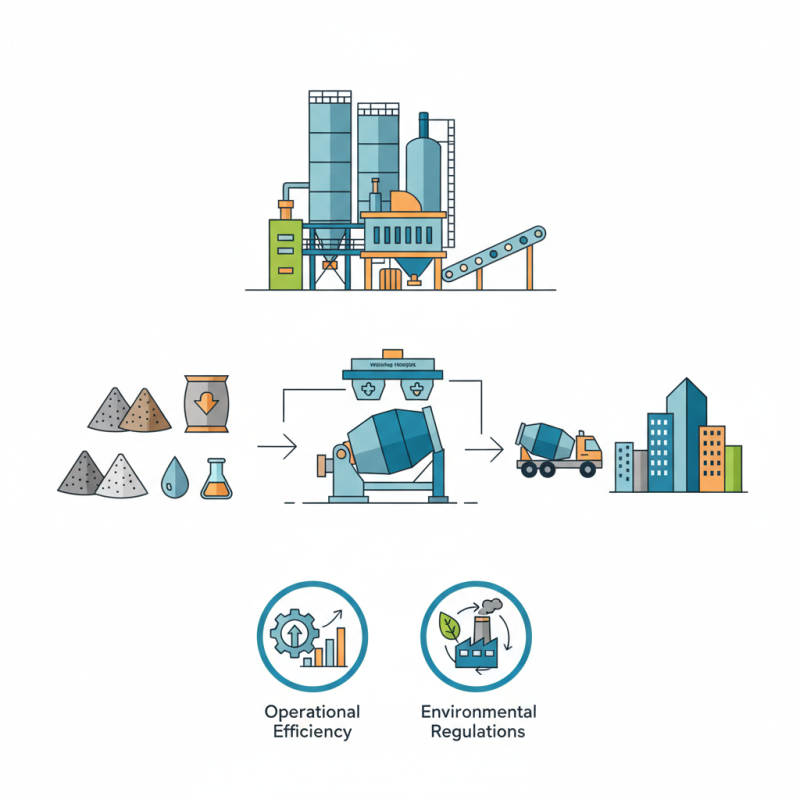
A concrete batching plant is crucial in construction. It is a facility where various components of concrete are mixed together. Typically, these components include aggregates, cement, water, and additives. The process ensures that concrete is produced uniformly and meets specific quality standards.
The batching plant operates through a series of steps. First, raw materials are collected and measured accurately. This measurement is vital to maintain the desired consistency and strength in the final product. The ingredients are then mixed in a concrete mixer. Variable mixing times can lead to different concrete qualities, which is a point for contractors to reflect on.
It is interesting to note that efficient batching plants can significantly reduce waste. However, improper calibration can lead to imbalances. This inefficiency can affect project timelines and budget. Regular maintenance is necessary, but many facilities overlook this. Addressing these issues head-on can enhance the reliability of the concrete produced.
Key Components of a Concrete Batching Plant
A concrete batching plant is essential for large construction projects. It ensures that concrete is mixed properly and consistently. Understanding its key components is crucial for efficiency and quality.
The heart of a batching plant is the mixer. This machine blends aggregates, cement, and water uniformly. Then, you have aggregate bins, which store materials like sand and gravel. They feed into the mixer via a conveyor system. A scale is also crucial; it measures each component precisely for accurate mixing. Many overlook this aspect, but an un calibrated scale leads to inconsistent concrete.
Tips: Regular maintenance of the mixer and scales improves longevity and reliability. Always check for wear and tear; replacing parts can save money in the long run. Properly calibrate scales to prevent discrepancies in your mixes. Lastly, ensure that your material storage areas are clean and organized. It makes a difference in efficiency. Another vital component is the
cement silo. It stores cement safely and allows for easy access. Don't forget about water supply systems, which must be efficient to
prevent delays. All these elements work together. A flaw in one can disrupt the entire batching process. It's essential to reflect on each component's role and ensure everything operates smoothly.
The Concrete Mixing Process Explained
Concrete batching plants play a crucial role in construction. They prepare concrete by mixing the right proportions of raw materials. Understanding this process can enhance quality and efficiency.
In the concrete mixing process, aggregate, cement, water, and additives are combined. Industry standards recommend specific ratios. Reports suggest that for optimal durability, a mix of 60% aggregates, 20% cement, and 20% water is ideal. This balance ensures structural integrity and workability. However, factors like weather and material quality can alter these proportions.
Tip: Regularly test your aggregate quality. This practice can prevent inconsistencies in your concrete mixture. Implementing precise measurements is crucial. An error as small as 1% in the water-cement ratio can lead to significant issues.
During mixing, technology matters. Continuous mixers are often more efficient than batch mixers. They can save time and reduce operational costs. Yet, they require careful maintenance.
Tip: Schedule routine checks on processing equipment. Neglect can lead to downtime or product failure. Always aim for improvement in processes. Even small refinements can have substantial impacts on overall performance.
Types of Concrete Batching Plants and Their Uses
Concrete batching plants come in various types, each suited for different projects. The two main types are stationary and mobile batching plants. Stationary plants are designed for large production capacities. They are typically set up near construction sites for long-term use. Their setup involves heavy machinery and requires a solid foundation.
Mobile batching plants, on the other hand, are ideal for smaller projects or remote locations. They can be transported easily, allowing for flexible operations. These plants offer quick setup times and are usually trailer-mounted units. However, they might not achieve the same output as stationary versions.
Selecting the right type of batching plant impacts project efficiency. Stationary plants can offer better consistency in mix design. Mobile plants provide adaptability but may require frequent calibration. Consideration of site conditions and project scale is essential. It is often a challenge to balance output with site constraints. Understanding these factors ensures better decision-making in concrete production.
Benefits of Using a Concrete Batching Plant in Construction
Concrete batching plants play a pivotal role in modern construction. They enhance efficiency and precision in the production of concrete. According to the National Ready Mixed Concrete Association, the demand for ready-mixed concrete is projected to grow by 5% annually. This surge underscores the importance of batching plants in meeting construction needs effectively.
Using concrete batching plants affects project timelines positively. Builders can produce high-quality concrete in large quantities on-site. A study by Allied Market Research reveals that automated batching plants improve output by up to 30%. This automation reduces human error and waste, contributing to more sustainable practices in construction. However, the initial setup cost of these plants can be significant.
Moreover, the consistency of concrete mixes is critical for structural integrity. Batch plants allow for precise control over ingredient proportions, which enhances the overall durability of the mix. Not all batching plants may offer the same level of quality control. Some may require regular maintenance checks to ensure optimal performance. This aspect raises questions about reliability and long-term investment, highlighting areas for reflection in operational practices.


