
A-B-C Blog

How to Choose the Best Lip Stick Tube for Your Brand?

Choosing the right Lip Stick Tube is not a decorative decision. It influences product protection, customer trust, filling efficiency, and daily user experience. A tube may look luxurious in a sample room, yet feel weak in a handbag. That difference matters.

Packaging educator Evelio Mattos describes packaging as “the silent salesperson.” His idea fits lipstick especially well. The tube speaks before the formula does. Its weight, click, surface, and closing sound create immediate expectations. A smooth aluminum shell may suggest precision. A warm-touch coating can feel comfortable, but it may show fingerprints or scratches.

This guide explains how brands can select a Lip Stick Tube with greater confidence. It considers material options, inner component stability, bullet dimensions, cap fit, decoration quality, and production consistency. A magnetic closure can feel premium, but it needs careful testing. A low-cost plastic component may reduce budget pressure, yet weak tolerances can cause wobbling or uneven lipstick movement.

Do not judge one sample alone.

Request production-level samples. Test them with the actual formula, not an empty insert. Check twisting force, leakage risk, cap retention, and surface durability. Examine the tube under store lighting and in a customer’s hand. These small tests often expose expensive mistakes.

Sustainability also requires honest reflection. Recyclable materials sound attractive, but mixed components may complicate recovery. Refill systems can reduce waste, though customers may find them inconvenient. There is no perfect tube for every brand. The best choice balances identity, performance, manufacturing realities, and responsible material decisions.
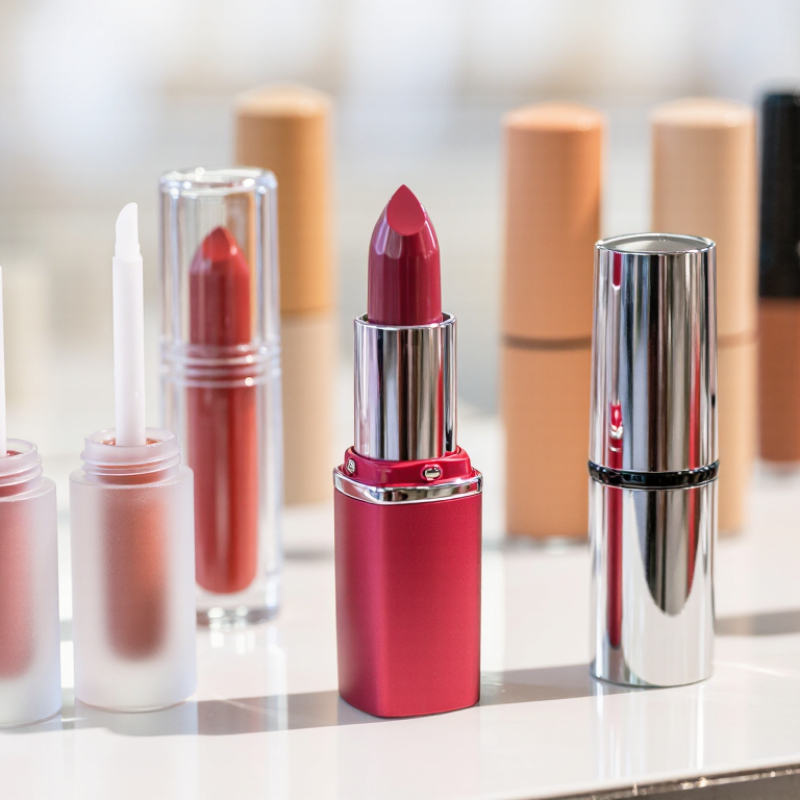
How to Choose the Best Lip Stick Tube for Your Brand?

Define Your Brand’s Lipstick Tube Requirements

How to Choose the Best Lip Stick Tube for Your Brand?

Define Your Brand’s Lipstick Tube Requirements

Start with the formula. A creamy lipstick may need a stronger inner mechanism than a firm, wax-rich formula. Confirm the fill weight, bullet diameter, melting point, and expected daily use before selecting a tube. Small details matter. A tight cap can protect the product, while a loose cap may create leakage, dust, or unpleasant odor issues.

Your visual requirements should be equally specific. Record the exact color reference, surface finish, decoration method, and acceptable color variation. Metallic coating, soft-touch paint, and printed details can change the tube’s cost and durability. I once treated color matching as a simple approval step. That was a useful mistake. Lighting conditions changed the appearance, so physical samples became essential.

Ask suppliers for drawings, material information, compatibility data, and quality inspection records. Check the closing force, twist performance, base stability, and resistance to scratches. Request samples from several production batches when possible. Test them with your actual formula, not only with an empty tube. Also define packaging dimensions, order quantities, production timing, and inspection standards in writing. Requirements that sound obvious often remain unclear. Leave room for improvement, but do not leave safety or performance to assumption.

How to Choose the Best Lipstick Tube for Your Brand?

Define Your Brand’s Lipstick Tube Requirements

Before selecting a lipstick tube, rank the requirements that most directly affect product performance, user experience, and packaging feasibility. The weighting below represents a practical evaluation framework for comparing tube options.

How to use this chart: Start with formula compatibility, closure performance, and mechanical reliability. Then assess material, decoration, sustainability, and cost against your product positioning and production requirements.

Compare Tube Materials, Shapes, and Closure Mechanisms

How to Choose the Best Lip Stick Tube for Your Brand?

Tube material affects weight, protection, appearance, and end-of-life handling. Aluminum feels cool and substantial, but it can dent during filling or transport. ABS and polypropylene offer reliable molding, lower weight, and many color options. Recycled plastic can support a stronger sustainability story, yet its shade may vary between production batches.

Grand View Research valued the global cosmetic packaging market at 32.44 billion dollars in 2023, with projected annual growth of 3.8% through 2030. That scale makes material efficiency commercially important.

UNEP reports that packaging uses about 40% of global plastic production. A lighter tube helps, but only when it still protects the formula.

Shape changes both shelf impact and daily handling.

A round tube rolls easily, while a square or oval profile stays steadier on a counter. Slim tubes suit small handbags, but they may feel less stable during application.

The closure deserves practical testing. A snap-fit cap opens quickly, although weak retention can cause accidental opening. A threaded cap usually feels secure and supports repeated use.

Test cap retention, hinge fatigue, drop resistance, and closure torque with real users. Smithers’ The Future of Sustainable Packaging to 2028 identifies recyclability and recycled content as major packaging priorities.

Still, a “green” tube that cracks early creates more waste.

I have seen attractive samples fail simple drop tests. Packaging decisions need evidence, not just a premium appearance.

Evaluate Protection, Usability, and Product Compatibility

How to Choose the Best Lip Stick Tube for Your Brand?

Evaluate Protection, Usability, and Product Compatibility

A lipstick tube should protect the formula from heat, dust, impact, and daily handling. Check whether the cap closes firmly without excessive force. Small gaps matter. They may allow contamination or create a messy package in a handbag. Inspect the inner mechanism, too. It should raise and lower the lipstick smoothly, without wobbling or scraping the product. In practical testing, rotate each tube repeatedly and examine the base, cap, and collar for looseness.

Usability affects how customers experience the product. A rounded tube may feel comfortable, while a narrow tube can offer better control during application. Test the opening with clean, dry hands and slightly oily hands. The difference can be surprising. Weight also matters. A heavier package may feel secure, but it can increase shipping costs and become inconvenient for travel. Choose based on real usage, not appearance alone.

Compatibility requires more than checking dimensions. Compare the formula’s oils, waxes, pigments, and fragrances with the tube materials. Conduct stability checks under changing temperatures and observe color transfer, odor, surface marks, or softening. Ask suppliers for material specifications and production samples. Keep written test records for each batch. That mistake happens: a tube can look excellent but fail after repeated use. A cautious selection process may feel slower, yet it helps reduce leakage, breakage, and customer complaints.

Assess Customization, Sustainability, and Manufacturing Quality

How to Choose the Best Lipstick Tube for Your Brand?

A reliable lipstick tube begins with clear customization requirements. Define the diameter, closure style, surface finish, and decoration area before requesting samples. Test the mechanism with your actual lipstick formula, not a similar substitute. A tight twist feels reassuring. It can still fail during filling. Check color consistency across several production samples, especially for metallic or soft-touch finishes. Ask whether the supplier can provide documented tolerances, material specifications, and batch records.

Sustainability needs practical evidence. Consider recycled content, mono-material construction, refill options, and reduced packaging weight. Do not accept vague environmental claims. Request test reports and verify whether the tube can be separated easily after use. A lighter component may reduce transport impact, but it might also feel fragile. That trade-off deserves testing. Sustainability is rarely perfect.

Manufacturing quality appears in small details. Inspect the base for wobbling, the bullet holder for alignment, and the cap for secure closure. Run drop tests, cycle the twist mechanism repeatedly, and check heat resistance during storage. Suppliers should explain their quality-control checkpoints and corrective-action process. A factory audit can reveal weak inspection practices, unclear traceability, or inconsistent assembly. Ask for a pilot run before full production. The first sample may look excellent. It may not represent the factory’s normal output. Review defects honestly, revise the specification, and keep approval samples for future comparison.

Select Suppliers Based on Cost, Capacity, and Reliability

How to Choose the Best Lipstick Tube for Your Brand?

Selecting a lipstick tube supplier requires more than comparing unit prices. Cost, capacity, and reliability must work together during development and regular production. I usually request a detailed quotation covering tooling, decoration, packaging, freight, minimum order quantities, and replacement parts. A low unit price can hide expensive setup fees or high defect rates.

Capacity matters when an order grows unexpectedly. Ask for monthly output, current production schedules, machine availability, and backup facilities. A supplier should explain how it handles seasonal demand without reducing inspection standards. Request samples from normal production, not only polished showroom pieces. Check the cap fit, twisting movement, surface finish, and closure sound by hand. Small details become obvious after thousands of uses.

Reliability is harder to measure. Numbers can mislead. Review delivery records, quality reports, corrective-action procedures, and communication speed. I once favored a cheaper quotation, but delayed tooling caused a costly launch adjustment. That experience changed my supplier checklist. I now confirm approval timelines, material documentation, color consistency, and pre-shipment inspection steps in writing. A capable supplier should also identify risks instead of promising everything immediately. No supplier is perfect, and I still leave room for production surprises.

Article Source: