What is a Package Machine and How Does it Work?
The modern logistics landscape is evolving rapidly, with a significant emphasis on efficiency and automation. A "Package Machine" plays a crucial role in this transformation. According to a report by the Packaging Machinery Manufacturers Institute, the market for packaging machinery is expected to exceed $48 billion by 2025. This growth highlights the increasing need for sophisticated package handling solutions.
Industry expert Dr. Emily Chen states, “Package Machines are revolutionizing how we handle products, enhancing speed and accuracy.” These machines streamline operations, yet they are not without their challenges. Proper maintenance and operator training are vital. Companies sometimes overlook these factors, leading to inefficiencies.
Despite advancements, there is still room for improvement. The integration of AI and IoT in Package Machines could enhance performance further. However, adopting new technologies can be daunting. Businesses must carefully evaluate their needs and capabilities. The future of Package Machines holds great promise, but it requires persistent reflection and adaptation.
What is a Package Machine?
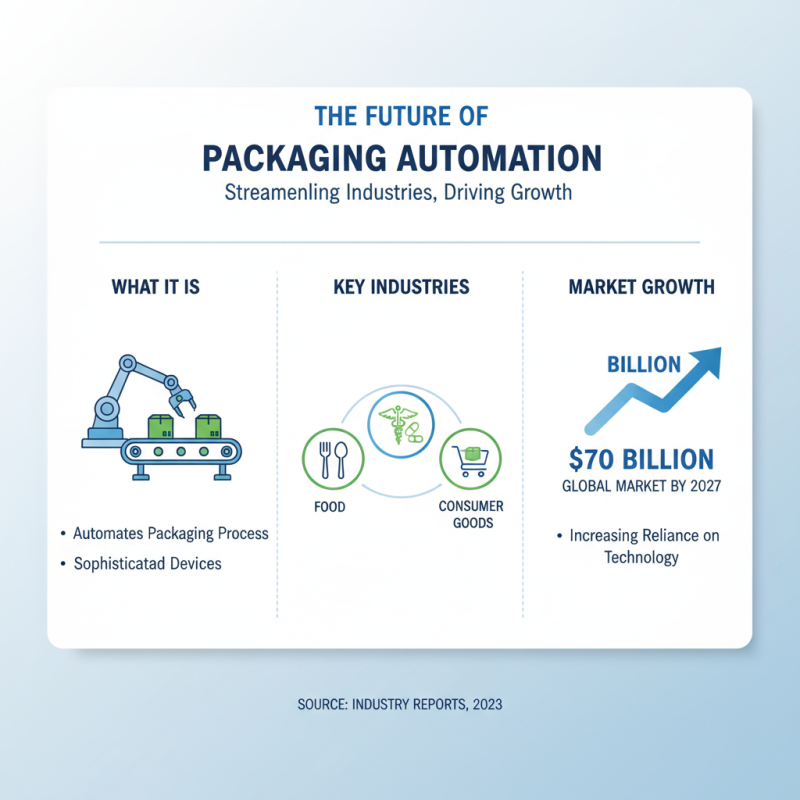
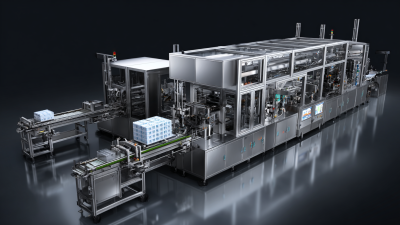
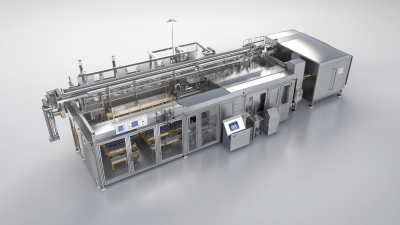
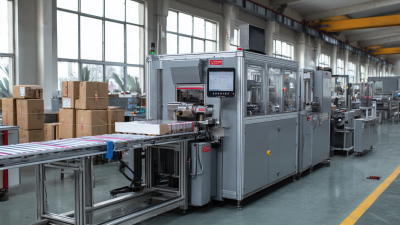
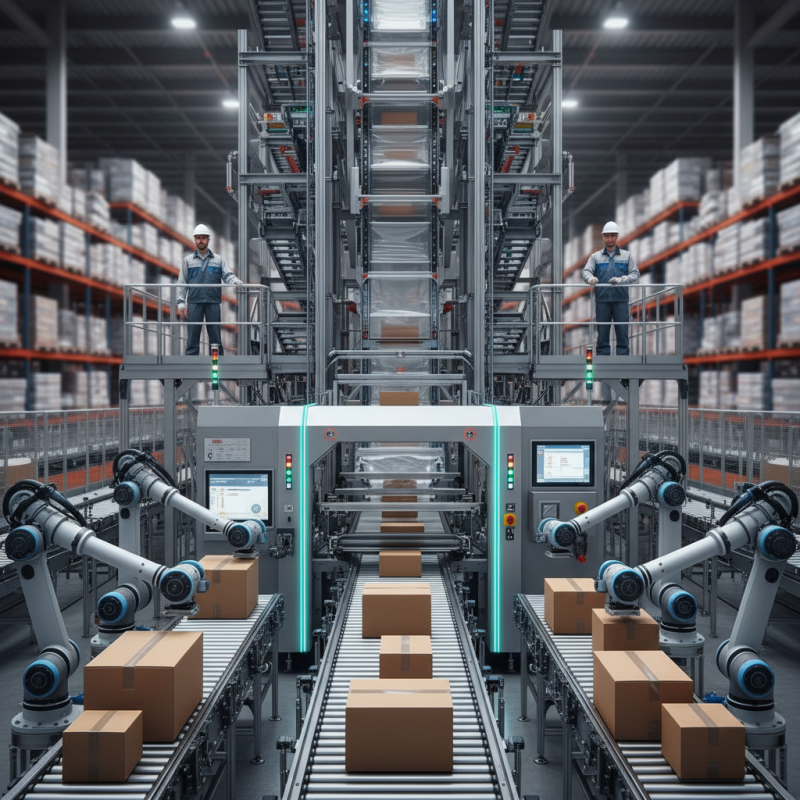
A package machine is a sophisticated device used for automating the packaging process. It plays a crucial role in various industries, including food, pharmaceuticals, and consumer goods. According to industry reports, the global packaging automation market is projected to reach $70 billion by 2027. This growth highlights the increasing reliance on technology for efficient packaging solutions.
These machines can handle diverse products, from liquids to solids. They often integrate features like filling, sealing, and labeling. For instance, a machine may fill bottles with a liquid, seal them tightly, and print a label—all in one cycle. This efficiency reduces labor costs and minimizes human error. However, not all operations can be fully automated. Some products need special handling, which complicates the process.
Despite their advantages, package machines can face challenges. Maintenance is crucial; downtimes can disrupt production. Training staff to operate complex machines is also a hurdle. A recent report stated that 30% of companies struggle with machine operator training. Neglecting these aspects can lead to inefficiencies. Companies must adopt a holistic approach to ensure machines work optimally and contribute effectively to production lines.
Types of Package Machines in the Industry
Package machines play a crucial role in various industries. They streamline the packaging process, making it faster and more efficient. There are several types of package machines designed for different applications.
Horizontal form-fill-seal machines are commonly used for packaging snacks. These machines create pouches from a roll of film. They fill the pouches and then seal them. Vertical form-fill-seal machines are ideal for liquids and powders. They work in a similar way but stand upright, allowing for better space utilization.
Tips: When choosing a package machine, consider the type of product you are packaging. Not all machines serve every need. Evaluate your production speed requirements as well.
Another type is the cartoning machine. These machines take products and place them into cartons. It’s suitable for packing boxes of cereal or beverages. While these machines improve efficiency, they can be complex to set up.
Tips: Regular maintenance is key. Machine breakdowns can lead to costly delays. Ensure your team is well-trained on the machine’s functions to avoid errors.
Lastly, labeling machines are essential for branding. They apply labels quickly and accurately. Consider the layout of your production line. A well-organized workspace promotes a smoother workflow.
Key Components of a Package Machine
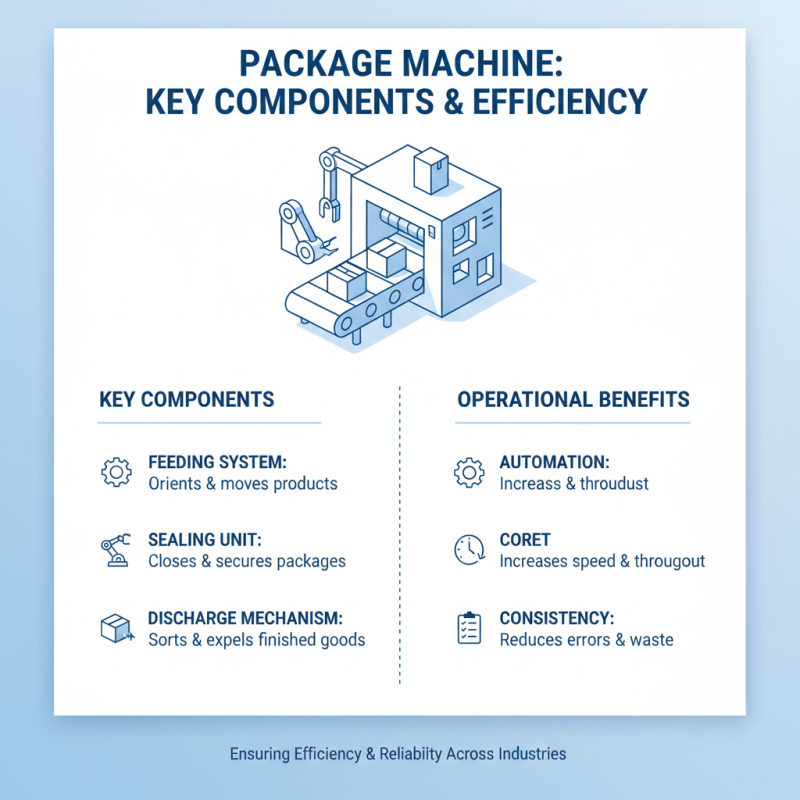
A package machine is a crucial device in various industries. It automates the process of packaging products, ensuring efficiency and consistency. Understanding its key components can provide better insights into its operational efficiency.
One essential component is the feeder system. It introduces products to the packaging line, minimizing delays. According to a report by PMMI, 60% of industry leaders consider feeder efficiency vital for optimal performance. The sealing mechanism is another critical part. It ensures that packages are airtight and tamper-proof, which is essential for product safety. The type of seal—whether heat or pressure-based—can impact both speed and quality.
Tips: Regular maintenance of the sealing system can prevent costly delays. Consider conducting weekly checks to enhance performance. Additionally, the control panel manages the machine’s operations. This user-friendly interface allows for easy adjustments. However, improper training can lead to mistakes, affecting output quality. Make sure operators are well-trained to avoid these issues.
How Package Machines Operate Step-by-Step
Package machines are essential in industrial settings. They automate the process of packaging products efficiently. Understanding their operation is crucial for optimization in various sectors. They streamline workflows, reduce labor costs, and enhance productivity.
A typical package machine operates in several steps. First, it receives products from the production line. Sensors detect the products and determine their dimensions. Next, the machine automatically dispenses the appropriate packaging material, ensuring minimal waste. According to a recent report by the Packaging Machinery Manufacturers Institute, automated systems can improve packaging speed by up to 30%.
After packaging, the machine seals and prints necessary information. This process often includes expiry dates or barcodes. However, not all machines function flawlessly. Maintenance schedules are vital. A breakdown could halt operations and lead to significant losses. Industry estimates suggest that unexpected downtime can cost businesses around $2.5 million annually. The balance between efficiency and reliability remains a constant challenge for many manufacturers.
Benefits of Using a Package Machine in Packaging Processes
Using a package machine in packaging processes offers numerous advantages. One significant benefit is increased efficiency. According to the Packaging Machinery Manufacturers Institute, companies can boost their packaging speed by up to 30% with automated systems. This means less time is spent on manual labor and more products can be packaged each hour.
Another advantage is consistency in product presentation. Automated machines ensure uniformity, reducing the chances of human error. A study from Smithers Pira highlights that consistent packaging can enhance brand perception. However, achieving this consistency requires careful calibration of machinery, which can involve a learning curve.
Cost savings are also notable. While the initial investment is considerable, the long-term return on investment can be significant. Reports indicate that companies could see reductions in labor costs by as much as 50% when switching to automated systems. Yet, reliance on machines may introduce vulnerabilities, such as potential downtimes or maintenance issues. Packaging processes may need to adapt, as some machines don’t perform well with all product types. Workflow flexibility becomes crucial to maintaining productivity.
What is a Package Machine and How Does it Work? - Benefits of Using a Package Machine in Packaging Processes
| Feature |
Description |
Benefits |
| Efficiency |
Automated packaging processes to speed up production. |
Increased output and reduced labor costs. |
| Consistency |
Maintains uniform packaging sizes and quality. |
Improved product integrity and customer satisfaction. |
| Flexibility |
Can handle various package sizes and types. |
Adaptable to different product lines and market demands. |
| Cost-effectiveness |
Reduces the need for manual labor and minimizes wastage. |
Lower overall production costs and improved ROI. |
| Safety |
Reduces human error and risks associated with manual handling. |
Safer work environment and compliance with safety standards. |