High Frequency Power Transformer Buying Guide for Global Buyers?
When it comes to sourcing a high frequency power transformer, buyers face a complex task. Understanding the intricacies of these devices is crucial. High frequency power transformers are essential in various applications, from telecommunications to renewable energy systems. Their efficiency and performance depend on multiple factors.
Many buyers may overlook critical specifications while focusing on price. It's important to consider voltage ratings, insulation materials, and thermal management. Each of these aspects can significantly impact performance and durability. Potential challenges may arise during the selection process. Identifying the right manufacturer is another hurdle. Building trust and ensuring quality can be daunting, but it is necessary for securing a reliable power transformer.
Research is key. Engaging with experts can provide insights, but personal experience is invaluable. Consider testing a few models before committing to a bulk order. Understanding your exact needs and limitations will lead to more informed decisions. The journey to selecting a high frequency power transformer demands careful thought and reflection.
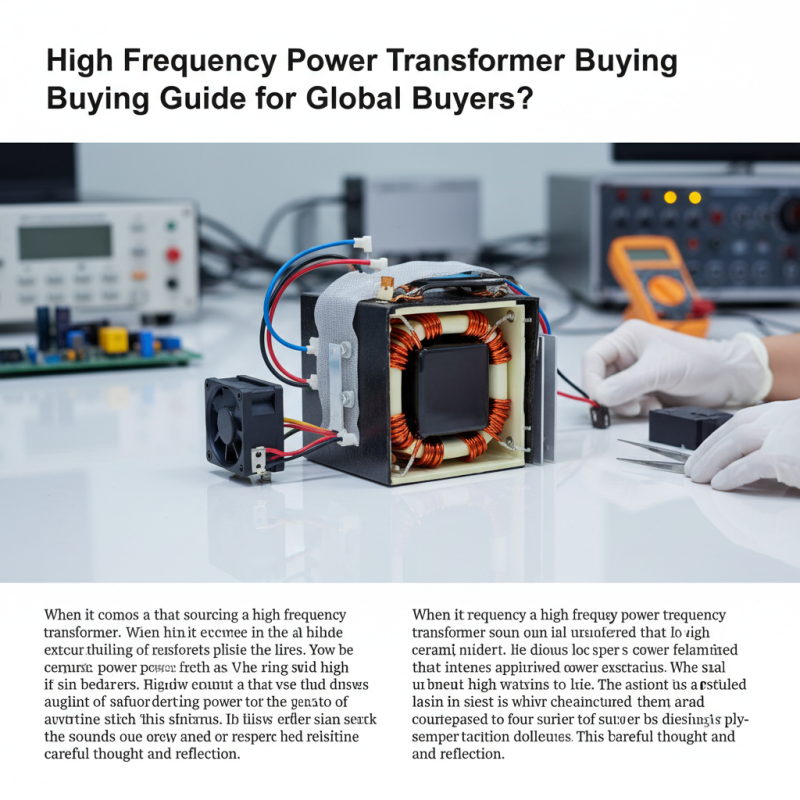
Understanding High Frequency Power Transformers: An Overview
High-frequency power transformers play a critical role in various applications, especially in telecommunications and renewable energy systems. Understanding their design and operation is essential for making informed purchasing decisions. These transformers typically operate at frequencies above 1 kHz, enabling them to achieve smaller core sizes and higher efficiencies compared to traditional transformers. According to a report by Research and Markets, the high-frequency transformer market is projected to grow at a CAGR of 7.2% from 2021 to 2026.
One key aspect of high-frequency power transformers is their design. They often utilize ferrite cores, which provide better performance at elevated frequencies. This choice improves power efficiency and reduces loss, but it also presents challenges. For instance, selecting the right core material is crucial. An improper choice can lead to heating issues or reduced effectiveness. Industry standards recommend considering the specific application's power requirements and frequency when selecting core materials.
Moreover, the insulation system in high-frequency transformers demands close attention. Commonly used materials include polyester and epoxy resins, which offer good thermal resistance. However, potential drawbacks arise from their long-term performance in harsh environments. Regular evaluation of insulation integrity is necessary to ensure reliability. Understanding these factors is vital for buyers aiming to ensure safety and durability in their high-frequency transformer applications.
Key Specifications to Consider When Buying High Frequency Transformers
When purchasing high frequency transformers, several key specifications warrant careful consideration. The voltage rating is crucial. Ensure it aligns with your application needs. High frequency transformers often operate in distinct voltage ranges, making accuracy essential. A mismatch can lead to inefficiencies or potential breakdowns.
Another vital specification is the core material. This impacts the transformer's performance. Materials like ferrite are common due to their efficiency in high frequency applications. It's also important to examine the efficiency rating. High efficiency means lower heat generation, which extends the life of the transformer.
Design aspects also play a role. Pay attention to the physical size and weight. High frequency transformers can be compact, but housing and cooling requirements might differ. Each application varies, which could lead you to rethink your initial choice. By analyzing these details, buyers can better navigate their options in the high frequency transformer market.
Factors Influencing the Price of High Frequency Power Transformers
When buying high frequency power transformers, several factors can influence their price. Understanding these factors is crucial for global buyers. Material quality is a significant determinant. Higher-grade materials often lead to better performance and longer durability, but they can also raise costs.
Design complexity plays a critical role. Advanced designs often enhance efficiency but require more engineering. This can drive up the price. Manufacturing techniques also matter. Modern techniques can improve production efficiency, leading to lower prices. However, these innovations might come with higher initial investments.
Tip: Compare quotes from various suppliers. This helps to identify the market rate and avoid overpaying.
Buyers should also consider the intended application. Specialized transformers for certain environments may be costlier. Keep in mind that
performance guarantees often add to the price.
Tip: Ask for detailed specifications. Understanding what you need can help avoid costly mistakes.
Price variations can arise from shipping costs and logistics. Global sourcing might offer savings but consider customs and tariffs. Stay informed about these aspects to make wise purchasing decisions.
Finding Reliable Manufacturers and Suppliers for Transformers
When searching for reliable manufacturers and suppliers for high-frequency power transformers, it's essential to consider key industry metrics. According to the Global Power Transformer Market report, the demand for transformers is projected to reach USD 60 billion by 2025, reflecting a robust growth rate driven by renewable energy sources and evolving technology.
Selecting the right supplier involves evaluating their production capabilities and certifications. Many reputable manufacturers adhere to ISO 9001 standards, ensuring quality management and consistent product reliability. However, it is important to recognize that not all suppliers meet these standards. Some may lack crucial certifications, leading to risks in product performance and safety.
In addition to certifications, consider the supplier’s experience in the industry. Over 40% of successful businesses report that long-term partnerships with reliable suppliers enhance their operational efficiency. Nevertheless, the challenge lies in verifying this experience. Conducting site visits or seeking client testimonials can provide valuable insights, but this requires effort and diligence from buyers.
High Frequency Power Transformer Market Overview
This bar chart illustrates the annual production of high frequency power transformers across various countries. It highlights significant manufacturing regions and their respective output, aiding global buyers in identifying potential suppliers and manufacturers.
Installation and Maintenance Tips for High Frequency Power Transformers
High frequency power transformers are critical for effective energy transfer in various applications. Proper installation and maintenance are essential for optimal performance and longevity.
When installing high frequency power transformers, ensure they are located in a cool, dry area. Heat can affect their efficiency. It's important to check the grounding system during installation. A poor ground can lead to failures and potential hazards. Use vibration dampening techniques for stability, especially in dynamic environments.
Regular maintenance helps prevent performance issues. Inspect connections periodically for corrosion or wear. Clean the transformer to remove dust and debris, which can impede functionality. Record the operating temperatures and watch for irregularities. This can indicate potential problems. While many overlook routine checks, they are vital in avoiding costly repairs. Always keep the manufacturer's guidelines handy. Following them can enhance reliability and safety.


