What is a PP Woven Bag and its Uses?
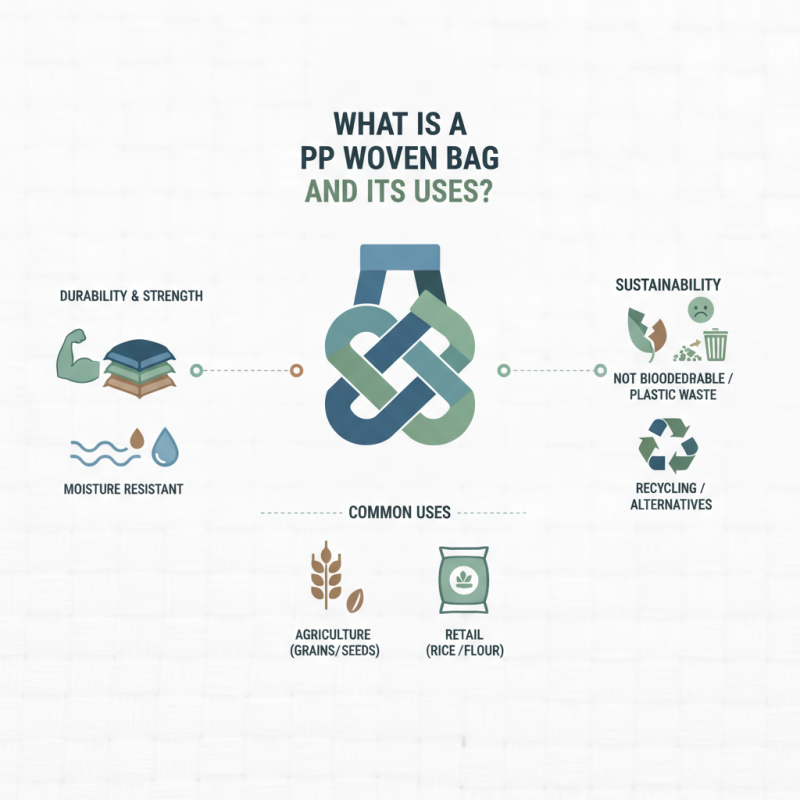
A PP Woven Bag is a versatile product made from woven polypropylene fibers. These bags are known for their durability and strength, making them suitable for various uses. They are lightweight and resistant to moisture, which adds to their appeal. Many industries utilize PP woven bags for shipping and storage.
In agriculture, these bags are often used to transport grains and seeds. Retailers embrace PP woven bags for packaging items like rice and flour. Their ability to hold substantial weight without tearing makes them a preferred choice. However, one might question the environmental impact of using these bags.
While PP woven bags are practical, they are not biodegradable. This raises concerns about plastic waste. Consumers must consider recycling options or finding alternative materials. The growing popularity of PP woven bags highlights both their benefits and sustainability issues. Reflecting on these aspects is essential for future usage.
Understanding PP Woven Bags: Definition and Composition
PP woven bags are a popular choice in packaging and carrying goods. These bags are made from polypropylene, a versatile thermoplastic polymer. This material is strong, lightweight, and resistant to chemicals, making it ideal for various applications. According to recent industry reports, the global PP woven bag market is projected to reach approximately $4.6 billion by 2027, driven by the increasing demand for eco-friendly packaging solutions.
The production process of PP woven bags usually involves extrusion, weaving, and coating. This results in a durable fabric that can hold heavy loads without tearing. These bags are widely used in agriculture, textiles, and construction. They are often used for grain, fertilizer, and sand. Their ability to be printed on adds aesthetic value. However, not all PP woven bags are created alike. Some may lack strength or have subpar quality. It’s essential to assess the specifications before making a purchase.
Industry insights reveal that consumers are increasingly aware of sustainability. Many prefer reusable and recyclable options. Yet, the waste generated from single-use bags remains a critical issue. While PP woven bags are sturdy, they contribute to litter if not disposed of correctly. It’s crucial for companies to promote responsible usage to maximize their environmental benefits.
Usage of PP Woven Bags in Various Industries
The following chart illustrates the distribution of PP woven bag usage across different industries based on recent studies. These bags are widely appreciated for their durability and versatility, making them a preferred choice in several sectors.
Types of PP Woven Bags: Variations and Features
PP woven bags have gained popularity due to their versatility. These bags are made from polypropylene, a strong and lightweight material. They are commonly used for packing, storage, and transportation. There are several types of PP woven bags, each with unique features.
One common type is the
flat woven bag. This bag is simple with no gussets. It is often used for packaging grains or agricultural products. It can easily be stacked and stored. Another variation is the
gusseted woven bag. This design allows for a larger capacity, making it ideal for bulk items. It provides extra space for products like pet food or fertilizers.
Bags can also have different coatings. Some are uncoated, making them breathable. Others have a water-resistant layer. These variations can affect their
durability and usability. Choosing the right bag requires careful consideration. Mistakes may occur if one overlooks the specific needs of their products. Being mindful of these details can improve effectiveness and resource management.
Common Uses of PP Woven Bags in Different Industries
PP woven bags have gained popularity across various industries due to their durability and versatility. These bags are made from polypropylene, a thermoplastic polymer. They offer an eco-friendly alternative to traditional plastic bags. The global market for PP woven bags was valued at around $9 billion in 2020 and is projected to reach $14 billion by 2027. This growth can be attributed to several industries adopting these bags.
In the agricultural sector, PP woven bags are commonly used for packaging grains, fertilizers, and seeds. They provide strength and moisture resistance, crucial for preserving crop quality. A report by Research and Markets indicates that agricultural use accounts for nearly 38% of the PP woven bag market share.
In construction, these bags are used for bulk material handling. They can safely store items like sand and gravel, reducing the risk of spillage during transportation. The construction industry is expected to see a 5% annual growth rate in the demand for these bags.
Retail also benefits from PP woven bags. Businesses prefer them for their ability to carry heavy loads. Many retailers report that these bags have a shelf life of up to five years, making them a cost-effective choice. However, not all businesses are aware of the environmental impact associated with disposal. As the market evolves, it's crucial for companies to consider sustainable practices when using PP woven bags.
Advantages of Using PP Woven Bags over Other Packaging Options
PP woven bags have gained popularity as a sustainable packaging option. Their durability sets them apart from paper or plastic alternatives. According to industry reports, PP woven bags can support weights of up to 100 kg without tearing. This makes them ideal for heavy-duty applications like agriculture and construction materials.
One key advantage is their resistance to moisture and chemicals. Unlike paper bags, they won't degrade in wet conditions. This aspect is crucial for transporting grains or fertilizers. The bags are also UV resistant, ensuring long-lasting performance outdoors. A study revealed that using PP woven bags can reduce packaging waste by up to 30%, which enhances environmental sustainability.
Tip: To maintain the longevity of your PP woven bags, avoid exposing them to excessive sunlight for extended periods. While these bags are sturdy, overexposure can weaken the fabric over time. Additionally, consider repurposing used bags for gardening or storage, adding value and reducing waste further.
Environmental Impact and Recycling of PP Woven Bags
PP woven bags are popular for their strength and durability. They are made from polypropylene, a type of plastic. These bags are often used in packaging, agriculture, and shopping. Their versatility is one of their major benefits, but the environmental impact is worth considering.
The production of PP woven bags involves significant energy and resource use. This raises concerns about their sustainability. Moreover, while they can be reused, many end up in landfills. It’s upsetting to think about the plastic pollution caused by improper disposal. Recycling options exist, but they are not widely used or accessible in many areas.
People often overlook the importance of proper recycling. Awareness is key to changing habits. Efforts are being made to improve the recycling process for these bags. Everyone can take small steps to reduce waste. Choosing reusable options or properly recycling bags can make a difference. It's a challenging journey, but it's essential to rethink our choices.
What is a PP Woven Bag and its Uses? - Environmental Impact and Recycling of PP Woven Bags
| Dimension | Details |
| Material | Polypropylene (PP) |
| Weight Capacity | Up to 50 kg |
| Common Uses | Packaging for food, agricultural products, construction materials |
| Durability | Highly durable, water-resistant |
| Environmental Impact | Potential pollution if not recycled properly |
| Recycling Options | Can be recycled into new products, specific recycling programs available |
| Lifespan | Up to 5 years depending on usage conditions |


