What is a Sheet Paper Bags Making Machine and How Does it Work?
In recent years, the demand for eco-friendly packaging has surged, leading to a growing interest in structures like the "Sheet Paper Bags Making Machine." John Smith, a leading expert in packaging technology, emphasizes its significance: "This machine is revolutionizing the way we think about sustainable packaging."
The Sheet Paper Bags Making Machine efficiently produces bags from sheets of paper. It utilizes advanced technology to cut, fold, and glue the material, ensuring high durability and quality. With its automated processes, the machine enhances productivity while minimizing waste. This balance between efficiency and sustainability is crucial for businesses looking to align with environmental standards.
However, the industry faces challenges. Not all machines deliver consistent results, and operational skills vary among users. As technology evolves, ongoing training will be essential for maximizing machine capabilities. Continuous improvement and adaptation are vital for companies looking to thrive in this competitive landscape.
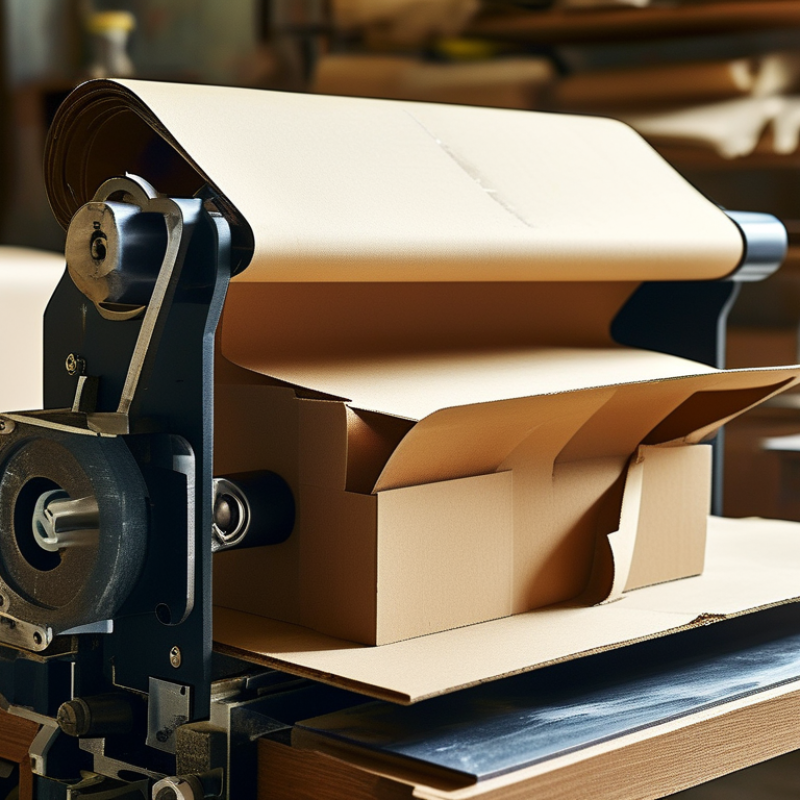
What is a Sheet Paper Bags Making Machine?
A Sheet Paper Bags Making Machine is an innovative tool designed for producing durable and eco-friendly paper bags. It streamlines the process of converting flat sheets of paper into finished bags. This machine uses a series of automated steps, including feeding, folding, and gluing. The efficiency in production can significantly reduce labor costs. According to a report by Smithers Pira, the global paper packaging market is projected to grow to $500 billion by 2024. This growth highlights the increasing demand for sustainable packaging solutions.
Operating this machine involves several critical steps. The primary function is to take pre-printed or plain sheets of paper and convert them into bags. Feed rolls hold the paper, while a series of rollers shape and fold it. Then, glue systems ensure proper sealing. At times, maintenance is necessary to ensure consistent quality. Minor mechanical issues can hinder production, requiring maximal attention.
Tips: Regular maintenance can enhance efficiency. Check for wear and tear on automated components. Understanding the intricacies of paper types can lead to better results. Experimenting with different weights of paper may yield varying bag strengths. Proper training of operators is vital for optimal performance, as human error can sometimes lead to waste in materials.
Components of a Sheet Paper Bags Making Machine
A Sheet Paper Bags Making Machine is designed to produce paper bags from flat sheets of paper. This machine plays a crucial role in the production process, utilizing several key components. The main parts include a paper feeding section, a bag forming unit, and sealing devices. Each component must work in harmony to ensure efficiency and quality.
The paper feeding section is responsible for taking in raw sheet paper. It often employs advanced sensors for precision feeding. This helps to reduce waste and ensures that each sheet is correctly aligned. The bag forming unit shapes the paper into a bag, applying folding techniques. Finally, sealing devices use heat or adhesive to close the bags. Reports suggest that automated machines can increase production speed by up to 300%, reflecting the demand for sustainable packaging solutions in various industries.
Tools like the control panel allow operators to monitor the entire process. It provides data on speed, output, and quality control. However, issues like paper jams or inconsistent sealing can arise, indicating room for improvement. Regular maintenance of these components is essential. A well-functioning machine contributes significantly to the paper bag production industry, which has seen a growth rate of over 10% annually due to rising environmental concerns.
How the Sheet Paper Bags Making Machine Operates
A Sheet Paper Bags Making Machine is an essential tool in modern packaging. It transforms flat sheets of paper into functional and eco-friendly bags. These machines operate using a series of steps that ensure precision and efficiency. The process begins with loading the paper sheets into the feeder. It creates a seamless flow of materials.
Once fed, the machine meticulously cuts the sheets to the desired dimensions. The cutting process relies on sharp blades that ensure clean edges. After cutting, the sheets are folded and glued together. This part can be tricky, as improper folding may lead to misaligned seams.
Operators must monitor the machine's parameters continuously. Regular maintenance is also crucial for optimal performance. Inconsistent paper quality may disrupt production, resulting in waste.
Ultimately, understanding this machine’s operation can enhance productivity while promoting sustainability in packaging solutions.
Industry Standards and Production Capacities of Paper Bags
The production of paper bags has seen significant growth. This increase comes from rising environmental awareness. Many industries now prefer paper over plastic. Sheet paper bag making machines play a crucial role in this shift.
These machines adhere to industry standards. They typically produce bags at a rate of 100 to 300 bags per minute. The speed can vary based on the machine model. A key factor is the material used. Quality paper ensures strong, durable bags. However, not all machines accommodate various paper types. Users must consider their production needs carefully.
Production capacity is essential for businesses. Manufacturers should assess their target market size. A smaller machine might suffice for local shops. Larger operations could require high-capacity machines. Some machines allow customization, but costs can rise. It’s crucial to balance efficiency and budget.
What is a Sheet Paper Bags Making Machine and How Does it Work? - Industry Standards and Production Capacities of Paper Bags
| Dimension | Description | Production Capacity (Bags/Hour) | Machine Power (kW) | Weight (kg) |
| L: 300mm x W: 200mm | Standard size for retail paper bags | 600 | 4.5 | 1200 |
| L: 400mm x W: 300mm | Ideal for grocery paper bags | 500 | 5.5 | 1400 |
| L: 250mm x W: 150mm | Small bags for gift wrapping | 700 | 3.5 | 1000 |
| L: 500mm x W: 350mm | Large bags suitable for shopping | 400 | 6.5 | 1600 |
| Custom Size | Bags manufactured to specified dimensions | Variable | 7.5 | 1800 |
Environmental Impact and Benefits of Using Paper Bags
The environmental impact of paper bags is significant. Unlike plastic bags, paper bags are biodegradable. They break down naturally, reducing landfill waste. This feature makes them a more sustainable option. Many people believe that switching to paper can help decrease pollution levels.
Using paper bags also promotes responsible sourcing. Most paper comes from renewable resources, such as trees. Tree farming can support local economies. However, not all paper production is eco-friendly. Deforestation and poor management practices can harm ecosystems. It's crucial to seek out paper bags made from recycled materials. This reduces the overall environmental footprint.
While the benefits are clear, challenges remain. The production of paper bags can still consume water and energy. Some argue that plastic bags have a lower carbon footprint during production. These concerns warrant careful consideration. Consumers should be informed and conscious of their choices. Paper bags can be a step forward, but the journey toward sustainability is ongoing.


