Effective Tips for Sustainable Containers and Packaging Solutions?
In recent years, the demand for sustainable containers and packaging has surged. According to a report by Smithers Pira, the sustainable packaging market is projected to grow to $800 billion by 2024. This shift is driven by consumers who are increasingly aware of environmental issues. They prefer products that utilize eco-friendly materials.
The importance of containers and packaging cannot be overstated. In fact, packaging accounts for nearly 30% of global plastic waste. Companies face pressure to innovate and provide solutions that minimize their environmental footprint. Many brands are exploring biodegradable materials and reusable designs. However, the journey toward sustainability is not without challenges.
While advancements in technology are promising, finding practical solutions is vital. Not all containers and packaging are currently recyclable or biodegradable. Brands must reflect on their choices and seek improvements. Testing and refining practices will lead to better outcomes. Striving for sustainable containers and packaging can ultimately benefit both the planet and companies’ bottom lines.
Sustainable Materials: Key Statistics on Eco-Friendly Packaging Options
Sustainable materials are becoming increasingly important in packaging. Statistics reveal that 50% of consumers prefer products with eco-friendly packaging. This preference drives companies to explore biodegradable and recyclable options. Many brands are now investing in materials like plant-based plastics and recycled paper.
However, the journey toward sustainability is not always perfect. For example, biodegradable options may still require specific conditions to break down. Some consumers may not dispose of them correctly. This leads to confusion and waste. Furthermore, the production of these materials can also create environmental challenges. Companies must consider the entire lifecycle of their packaging.
Data shows that around 70% of plastic packaging is not recycled. This highlights a significant gap in our current systems. Addressing this issue requires collaboration across industries. Education on proper disposal methods is essential. People need to understand the impact of their choices. Ultimately, the goal is a sustainable future for packaging that balances eco-friendliness with practicality.
Lifecycle Analysis: Measuring the Environmental Impact of Packaging Solutions
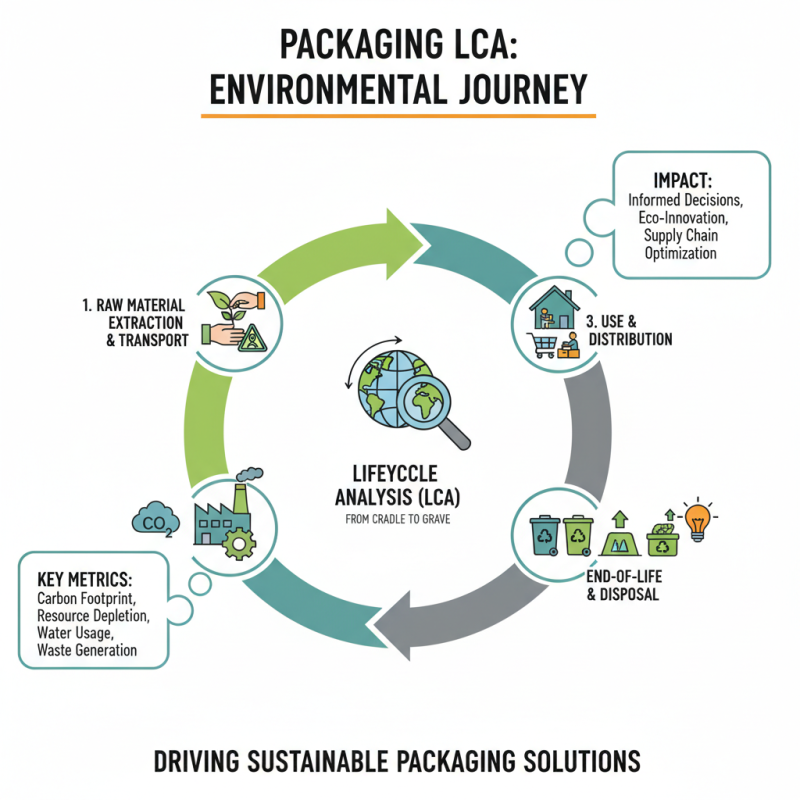
Lifecycle analysis (LCA) is crucial in evaluating packaging solutions. It measures their environmental impact from start to finish. LCA assesses raw material extraction, production, use, and disposal. Each stage reveals significant carbon footprints and resource usage. It forces businesses to rethink current practices.
Many companies underestimate the waste created during product packaging. They often focus on the aesthetics rather than sustainability. Certain materials may look appealing but have long-term environmental consequences. For instance, plastic can take hundreds of years to decompose, while biodegradable options might not always break down effectively. The realities of these choices are unsettling.
Moreover, the consumer's role is vital. Many people overlook their packaging choices at the store. They might favor convenience over sustainability. Reflecting on these decisions could lead to better practices. A small shift in mindset can create a ripple effect, influencing manufacturers and suppliers alike. Building awareness is a step toward sustainable containers and packaging solutions.
Innovative Designs: Trends in Sustainable Container Engineering and Functionality
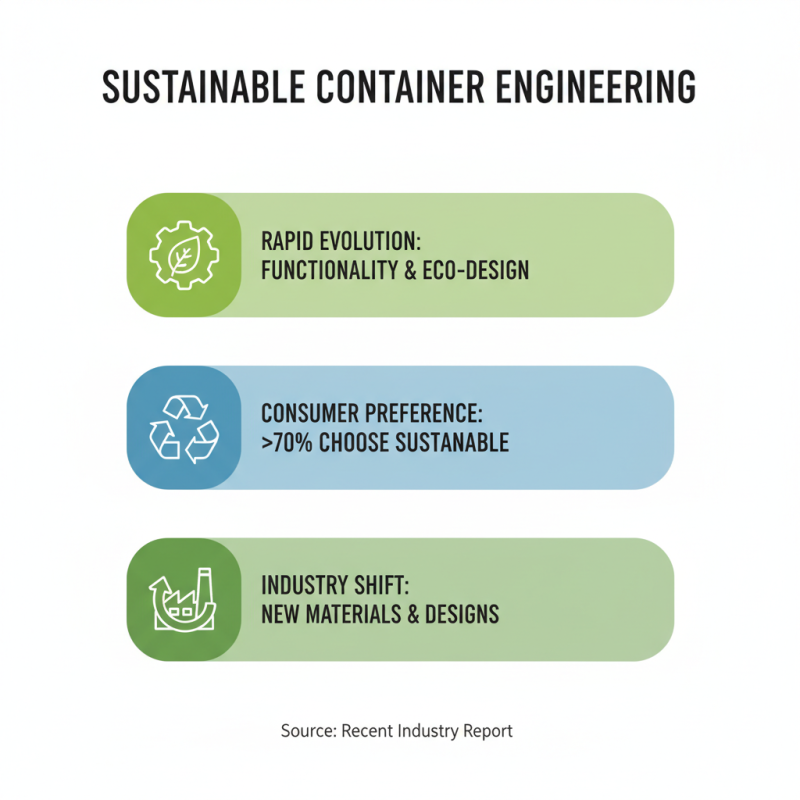
Sustainable container engineering is evolving rapidly. Innovative designs now focus on functionality and environmental responsibility. According to a recent report, over 70% of consumers prefer sustainable packaging. This trend pushes manufacturers to rethink materials and designs.
Biodegradable and compostable materials have taken center stage. These options often involve natural substances that decompose quickly. This shift can reduce plastic waste significantly. Yet, not all biodegradable solutions meet the desired performance levels. They may degrade too quickly or not protect goods adequately. Research shows 30% of new packaging fails to meet safety standards.
Moreover, minimalist designs are gaining traction. Simple packaging requires fewer materials and often employs clever structural designs. This approach can save costs too. However, creativity must balance with practicality. An excess of focus on aesthetics might compromise product safety or functionality. The path to sustainable containers is complex and challenging, but innovation drives progress.
Consumer Behavior: Understanding Preferences for Eco-Conscious Packaging
Consumers today are becoming more aware of their environmental impact. They often prefer eco-conscious packaging over traditional options. This shift is leading brands to rethink their strategies. Many consumers choose products based on packaging sustainability. Transparent labeling and recyclable materials are becoming must-haves.
However, not all brands get it right. Some eco-friendly claims can be misleading. This creates confusion among shoppers. They want clear information but often encounter vague terms. Simple, authentic packaging can win consumer trust. Brands must avoid jargon and be straightforward.
There's also a gap in understanding preferences. Research shows consumers may like sustainable packaging but don't always prioritize it in purchasing. Price often trumps preference. It raises questions about genuine commitment. Future strategies must address these disconnects. Understanding these nuances is crucial for long-term success.
Global Standards: Regulations and Certifications for Sustainable Packaging Practices
Sustainable packaging is crucial for the environment. However, many organizations struggle to implement effective practices. Understanding global standards can help. Regulations guide companies to reduce their environmental impact. Compliance is not just a legal obligation; it's an ethical responsibility.
Certifications play a significant role in sustainable packaging. They signify that products meet environmental guidelines. Companies can pursue various certifications, but they vary widely. Some focus on material sourcing, while others assess the end-of-life disposal. This diversity can be confusing and requires careful consideration.
The journey to sustainability is often imperfect. Many businesses face challenges in meeting all standards. They may lack resources or knowledge about best practices. Continuous learning and adaptation are essential. Engaging with sustainability experts can bring valuable insights. Embracing this process offers the chance for growth and improvement.
Effective Tips for Sustainable Containers and Packaging Solutions
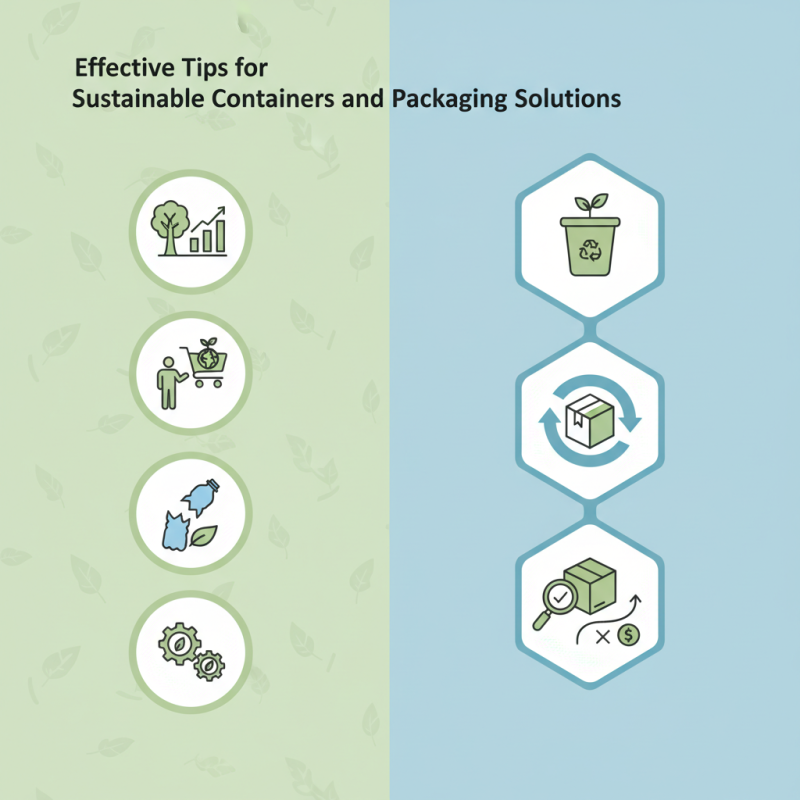
This chart illustrates the importance of various sustainable packaging practices based on global standards and regulations. The data represents the percentage of companies adopting different sustainable packaging solutions.