What are Thermal Labels and How Do They Work?
Thermal Labels are an essential tool in various industries, providing reliable solutions for labeling needs. According to a report by Smithers Pira, the thermal label market is projected to reach $20 billion by 2025. This growth reflects their widespread use in retail, logistics, and healthcare sectors. Thermal labels significantly reduce costs by streamlining the printing process.
These labels operate using heat to create images on special thermal paper. They can print directly without ink, making them efficient and eco-friendly. The technology is versatile, being used for barcodes, shipping labels, and product identification. However, organizations must consider the durability of thermal labels. Factors like exposure to heat or sunlight can affect their longevity.
In an era of rapid technological advancements, the demand for thermal labels continues to rise. As businesses seek to optimize efficiency, understanding their functionality becomes crucial. Challenges remain, such as potential print quality issues and the need for proper printer maintenance. Thermal labels remain a pivotal part of modern labeling systems, driving innovation in various sectors.
Understanding Thermal Labels: Definition and Purpose
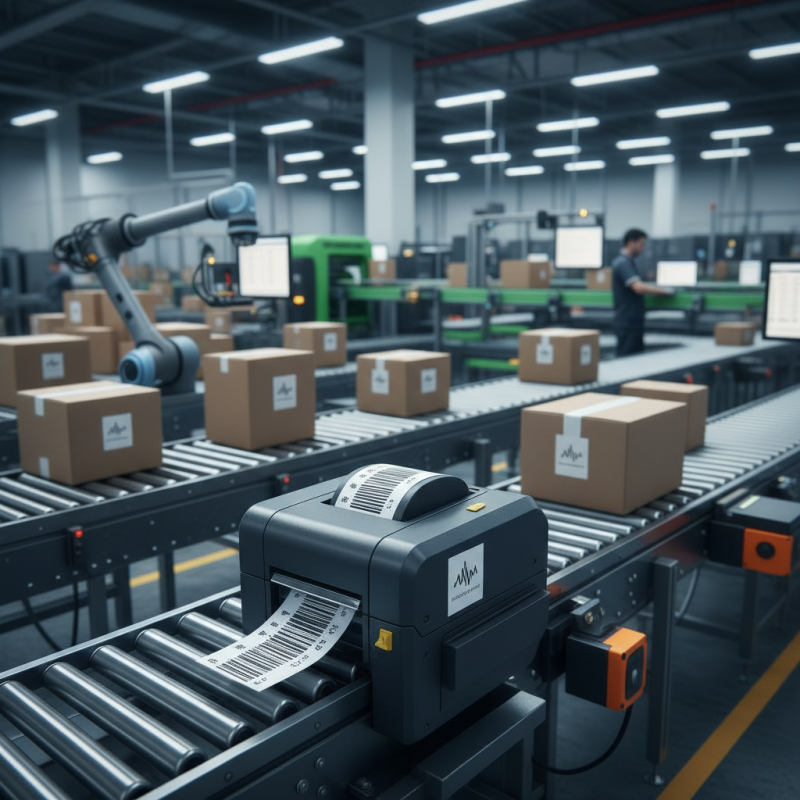
Thermal labels are specialized printing materials used for various applications, from shipping to retail. Their function is simple, yet effective. Unlike traditional labels, they don’t require ink or toner. Instead, they utilize heat-sensitive paper. When heated, the paper changes color, creating a clear and legible printout.
These labels serve a vital purpose in many industries. For example, in logistics, they allow quick, efficient labeling of packages. This can improve tracking and inventory management. In retail, they help maintain product pricing accuracy and improve customer service. However, the effectiveness of thermal labels often depends on environmental factors. Extreme temperatures or humidity can affect their lifespan.
Users should be aware of potential limitations. Thermal printers can sometimes malfunction, leading to wasted materials and time. Additionally, while thermal labels are convenient, they may not withstand long-term exposure to sunlight. This could cause the print to fade, impacting readability. Addressing these concerns can enhance the usability and reliability of thermal labels in various contexts.
Types of Thermal Labels: Direct Thermal vs. Thermal Transfer
Thermal labels are essential in various industries for printing. They come in two main types: Direct Thermal and Thermal Transfer. Each type has distinct characteristics and is suited for different applications.
Direct Thermal labels use heat-sensitive materials. When activated by a thermal printhead, they produce images without needing ink. This method works well for short-term applications, like shipping labels. However, these labels may fade over time, especially when exposed to sunlight or heat.
Thermal Transfer labels, on the other hand, use a ribbon that transfers ink onto the label material. This technique creates durable and high-quality images. These labels resist fading and are ideal for long-term use. They are often preferred for barcodes and inventory tracking.
Tips: Choose Direct Thermal labels for quick, short-term labeling needs. For prints that require longevity, opt for Thermal Transfer labels. Always test different labels to see which suits your printer best.
Understanding the differences can reduce errors in printing. Measure the environment where the labels will be used. Consider potential wear and tear. Not every label will perform well under harsh conditions. Exploring both options can help find the right fit for your specific needs.
The Technology Behind Thermal Labels: Printing Mechanism Explained
Thermal labels are a result of an innovative printing technology that relies on heat. This method employs a thermal printhead to generate images directly onto the label surface. When activated, the printhead heats specific areas of thermal paper, resulting in black or colored images. This process is efficient and quick, making it ideal for high-volume tasks.
The mechanism behind thermal printing involves two main types: direct thermal and thermal transfer. Direct thermal printing uses heat-sensitive media that darkens when heated. It's simple but lacks longevity. Conversely, thermal transfer printing utilizes a ribbon, transferring ink onto the label through heat. This method provides more durable labels, suitable for diverse environments.
While the technology is advanced, there are challenges. For instance, heat sensitivity can pose issues in high-temperature settings. Sometimes, the print quality may degrade if not maintained properly. Users must ensure their printer is clean. Regular maintenance can help mitigate issues, but vigilance is required. Proper knowledge of substrates is crucial for optimal results, highlighting the importance of expertise in this domain.
Thermal Label Printing Technology: Performance Comparison
This chart compares the performance metrics of Direct Thermal and Thermal Transfer printing technologies. The parameters measured include speed, print quality, durability, and cost per thousand labels, providing insights into the advantages and disadvantages of each method for thermal labels.
Applications of Thermal Labels in Various Industries
Thermal labels are used in numerous industries for efficient labeling solutions. They function through thermal transfer or direct thermal methods, making them reliable. In retail, thermal labels enable quick scanning at checkout. This speeds up the process and reduces customer wait times, directly affecting sales.
In warehouses, these labels are crucial for inventory management. They help track products and streamline logistics. When items are correctly labeled, mishaps decrease. In healthcare, thermal labels ensure accurate patient identification. This accuracy is vital for safety in medical settings, where errors can have serious consequences.
However, there are challenges. Not all printers work with every type of thermal label. Compatibility issues can lead to waste. Additionally, environmental factors, like humidity, may affect label adhesion. Exploring these aspects can lead to better labeling strategies. The ongoing evolution of thermal label technology invites industries to adjust and improve their processes continually.
Benefits and Limitations of Using Thermal Labels
Thermal labels offer several benefits that make them a popular choice in various industries. One key advantage is their quick printing speed. This feature is crucial in busy environments where time efficiency is essential. Moreover, thermal printing doesn’t require ink or toner, which can lead to cost savings over time. Additionally, many thermal labels are resistant to water and heat, enhancing their durability. They are ideal for shipping labels, inventory tags, and even health-related applications.
However, there are limitations to consider. Thermal labels can fade over time, especially when exposed to direct sunlight. This fading may impact the readability of labels in the long term. Furthermore, not all thermal labels are suitable for high-temperature or high-moisture environments. Choosing the right label for your specific needs is essential. While the advantages often outweigh the drawbacks, these limitations warrant careful evaluation before implementation. Balancing performance and durability is key to optimizing thermal label usage in your operations.


