7 Tips for Choosing a Potato Chips Production Line
Choosing a Potato Chips Production Line is not simply a matter of selecting the fastest machine. The right system must match your target output, available floor space, potato supply, and product range. A line that handles thin, crisp slices well may need different settings for thicker chips. Small details matter: slice thickness, oil temperature, conveyor speed, and how evenly seasoning lands on warm chips.
The supplied material does not identify a verifiable industry expert, so I won’t invent a name or attribute a quotation to someone. A useful buying principle is: “Choose for consistent product quality, not maximum speed alone.” It is practical advice, but it is not a sourced expert quote. Real production conditions can be less tidy than a brochure suggests. Potato varieties change. Operators need training. Cleaning and routine maintenance take time.
The seven tips that follow focus on matching equipment to real operating needs. They cover capacity, cutting and frying performance, automation, energy use, hygiene, supplier support, and future expansion. Compare specifications carefully, then ask suppliers to explain how their line performs with your raw materials and desired chip style. A live product trial can reveal uneven slices or fragile chips that a specification sheet may not show. Even then, one test cannot answer everything. Check what happens during longer production runs, too.
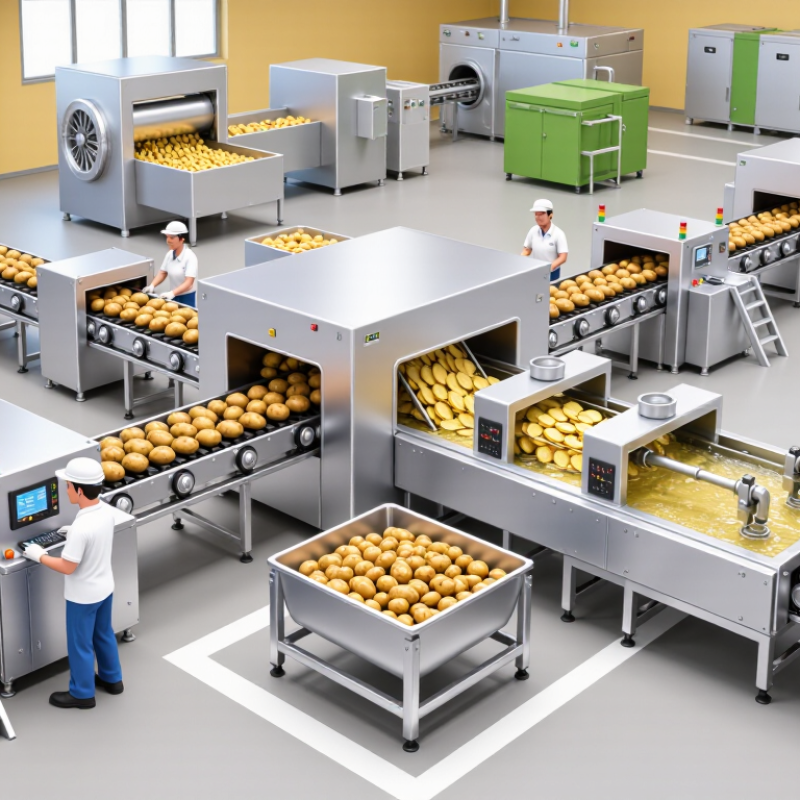
Define Production Capacity and Chip Specifications
Before comparing potato chips production lines, define the output you actually need. A supplier’s capacity may refer to raw potatoes per hour, not packaged chips. Ask for both figures, and check how washing, slicing, frying, seasoning, and packing affect the final rate. Small differences matter.
Specify chip style and dimensions. Record the target slice thickness, whether chips should be ridged or flat, and the acceptable range for color and breakage. Thin slices cook quickly but can become fragile during conveying. Test samples with the potato varieties you plan to process; moisture and solids content can change texture and frying behavior. Real batches may vary.
Capacity should match demand across a normal shift, not just a brief peak. Estimate usable production time after cleaning, changeovers, and routine stops. Then leave room for growth without buying equipment that spends most of the day idle. It is easy to overestimate demand. That happens. Share your expected product mix and package sizes with equipment evaluators, and request a trial using comparable raw material. Note the settings, output weight, and rejected chips. Those details make capacity claims easier to verify and help reveal whether the line can consistently produce the specifications you need.
Compare Processing Technologies and Line Configurations
Compare processing technologies by the chip style and output you need, not by equipment names alone. A batch kettle can suit thicker slices and shorter production runs. A continuous fryer is better suited to steady feeding, but requires consistent slice thickness and controlled oil temperature. Small details matter. Ask for trial data on moisture, color, breakage, and oil uptake. These measurements offer a clearer comparison than capacity claims alone.
Tip: Map every stage, from washing and slicing to frying, seasoning, cooling, and packing. Check how chips move between machines. Hot chips can break at tight conveyor bends or during rough transfers. That loss is easy to overlook. Also confirm whether the line includes dewatering and oil-removal steps; their value depends on the product and process.
Tip: Compare compact, integrated lines with modular configurations. An integrated line may save floor space, while modular equipment can make later changes easier. Review real operating rates, cleaning access, changeover time, and utility needs. Ask operators to walk through a typical production shift. A layout may look efficient on paper, yet feel awkward during cleaning. The best configuration is the one your team can run consistently.
Assess Equipment Quality, Hygiene, and Food Safety
7 Tips for Choosing a Potato Chips Production Line
Inspect the line with guards open and the machine stopped, not only in polished photos. Ask to see food-contact surfaces, welds, belt edges, and fryer outlets at close range. Smooth, accessible surfaces are easier to clean; hidden seams can trap oil and crumbs. Look closely. Check that routine cleaning does not require awkward dismantling or improvised tools. Equipment cannot replace disciplined cleaning, but thoughtful design makes it easier to do well.
Review the cleaning schedule, maintenance records, and staff training materials, then compare them with the equipment in front of you. Are guards easy to refit after sanitation? Can oil temperature and filtration be monitored and recorded? Ask for a wet-run demonstration, including shutdown and washdown, rather than a brief production sample. Small details matter. A line may run quickly yet create uneven slices, excess crumbs, or hard-to-clean splash zones. Keep sample batches from acceptance testing for later comparisons. Request clear instructions for inspection, lubrication, and replacing wear parts; vague answers are a warning sign. There is a trade-off: speed matters, but not if cleaning becomes difficult to verify.
Compare Supplier Support, Costs, and Future Scalability
A potato chips production line is more than a fryer and conveyor. Supplier support matters when oil temperature drifts or a cutter leaves uneven slices. Ask who installs the equipment, trains operators, and responds to faults. Get response times in writing. “Support available” is vague. A named contact and a stocked-parts list are more useful.
Compare costs beyond the purchase price. Include freight, installation, electrical work, water use, oil filtration, and routine blade replacement. Request a written estimate for maintenance and expected energy use at your planned output. Then compare the figures against your own production schedule. Estimates can be wrong, especially before the factory layout is confirmed. Leave room for that uncertainty.
Future capacity deserves a practical test. Check whether the line can accept a wider fryer, faster packaging machine, or extra seasoning drum later. Ask what upgrades would require new controls or longer conveyors. A low-cost line may fit today’s budget but create bottlenecks when orders rise. Not every upgrade pays off. Consider a modest capacity increase, and confirm that your floor space, staff, and utilities can support it. A short trial with your target potato varieties can reveal problems that brochures miss.


