Top 10 Car Paint Protection Film Manufacturers Worldwide
A clear coat can look flawless in a showroom and still face gravel, road salt, and repeated washing. Car Paint Protection Film helps shield vulnerable paint from everyday wear, but results depend on more than the film itself. Material quality, adhesive behavior, installation skill, and maintenance all matter.
This guide introduces ten manufacturers with a worldwide presence and compares the factors buyers can assess: film clarity, thickness options, surface finish, product range, warranty terms, and installer support. These details help distinguish a polished product page from practical value. A film that performs well on a dark hood may show edges differently on curved mirrors or pale paint. Small details count.
No ranking can fit every driver. Availability, climate, vehicle shape, and budget vary, and manufacturer specifications may change. Rankings are imperfect. Treat this list as a starting point, not a substitute for checking current technical data and speaking with a qualified installer. Ask how the film handles exposed edges, which cleaning products are recommended, and what the warranty actually covers. A careful comparison can narrow the field, though the final choice still depends on the vehicle and the person maintaining it.
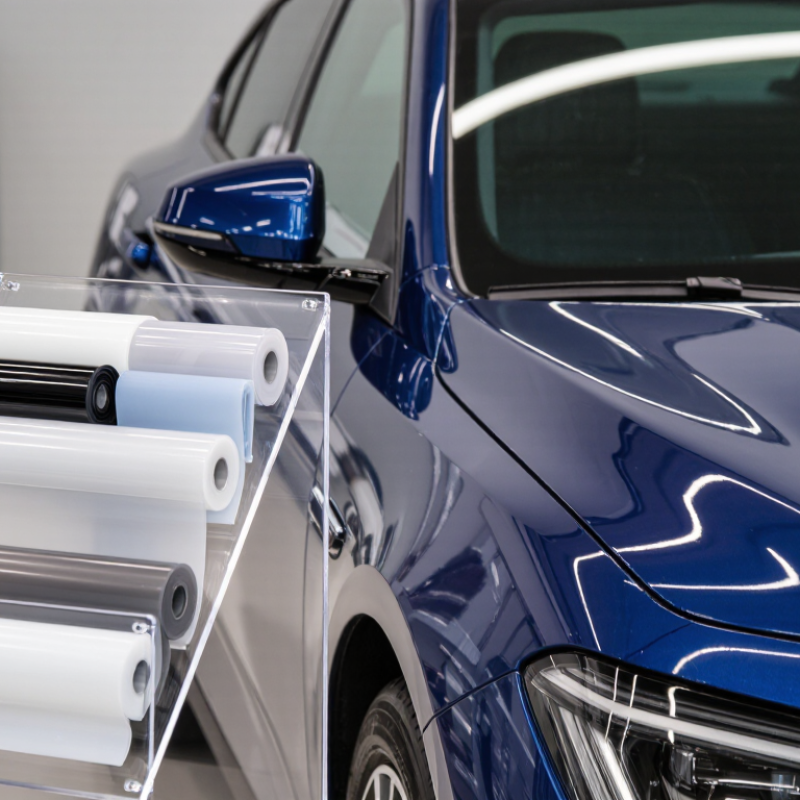
What Paint Protection Film Is and How It Shields Vehicle Surfaces
Paint protection film (PPF) is a clear, flexible layer fitted over selected painted surfaces. Many films use thermoplastic polyurethane, with an adhesive backing that bonds to clean vehicle paint. The material forms a sacrificial barrier. It can reduce damage from small stones, road grit, and insect residue during everyday driving. A sharp impact can still mark the paint.
PPF is protection, not armor.
On a hood, for example, the film may soften the effect of tiny gravel strikes that otherwise leave pale chips. Some films can recover from light surface marks when warmed, but performance varies by product and conditions. That detail matters. PPF also helps limit staining and exposure to sunlight, though it does not make paint maintenance unnecessary. Wash the vehicle gently, and follow the film maker’s care instructions.
Installation quality affects how the film looks and lasts. Dust trapped beneath it can remain visible, while poorly finished edges may collect grime. Curved panels and deep recesses need careful fitting. There is a trade-off: broad coverage offers more protection but costs more and can make repairs less straightforward. I would not expect any film to stay invisible forever; regular inspection helps catch lifting or damage early.
How Global Paint Protection Film Manufacturers Are Evaluated
Evaluating global paint protection film manufacturers takes more than comparing quoted prices or advertised thickness. A credible assessment examines film construction, adhesive behavior, and documented performance under heat, moisture, and ultraviolet exposure. Ask for test methods and results, not just claims. Small differences matter.
Durability should be checked against practical conditions. For example, reviewers can examine how samples handle curved panels, resist staining from road grime, and recover from light surface marks after controlled warming. Clear reporting on yellowing, edge lift, and gloss retention helps buyers understand likely performance. Results from one test do not guarantee the same outcome in every climate. That limitation deserves attention.
Manufacturing consistency is another useful measure. Look for traceable production batches, clear technical data sheets, and quality checks that identify defects before shipment. Support also matters: installation guidance, realistic warranty terms, and access to replacement material can affect long-term value. A polished brochure is not proof. Independent testing and installer feedback add context, though feedback can be uneven and should not stand alone. Even careful evaluations have gaps; reviewers may lack long-term data or comparable testing across every supplier. Transparency about those gaps is part of a reliable assessment.
Ten Leading Paint Protection Film Manufacturers Worldwide
A comparison of ten leading paint protection film manufacturers worldwide should look beyond glossy claims. A film may appear clear in a showroom yet show haze under harsh sunlight. Key details include film thickness, adhesive behavior, topcoat performance, and resistance to yellowing. Ask for current technical data, not just sales language. Check whether tests used consistent conditions.
Installation matters, too. A high-quality roll can still develop lifted edges around mirrors or trapped dust near a hood seam. Manufacturers with clear cutting guidance, reliable batch consistency, and practical training resources can help reduce these problems. Small details count. Request sample pieces and inspect them on curved panels, not only flat surfaces.
Compare warranty coverage carefully, including exclusions and required maintenance. No film is flawless, and published results do not always reflect years of exposure in a particular climate. Even a careful shortlist has gaps. Buyers should verify local support and confirm that claims match the product being supplied.
How Manufacturers’ Films Differ in Performance and Features
Car paint protection films can look similar on a sample card, yet behave differently on a vehicle. Manufacturers vary in film thickness, adhesive design, topcoat chemistry, and optical clarity. These choices affect how well a film resists stone chips, staining, and yellowing. Some films soften fine swirl marks with warmth; others prioritize water repellency or a slick finish. No single feature tells the whole story.
Tips: Ask for samples and compare them under bright, angled light. Check for haze, orange-peel texture, and visible edges. Review care instructions and warranty exclusions, too. Installation matters. A well-made film can still disappoint if dirt gets trapped beneath it or edges lift on curved panels.
Performance claims deserve context. A self-healing topcoat may reduce light marks, but it will not erase deep scratches or repair damaged paint. Likewise, a thicker film is not automatically clearer or easier to fit. Ask manufacturers for test conditions, such as exposure duration and measurement methods, rather than relying only on broad durability language. Real-world results also depend on washing habits, climate, paint condition, and installer skill. I would compare these details before ranking products; even careful comparisons leave some uncertainty because vehicles and use patterns differ.
How to Choose a Paint Protection Film Manufacturer
Choosing a paint protection film manufacturer starts with product evidence, not a polished brochure. Ask for technical data on film thickness, adhesive behavior, clarity, stain resistance, and yellowing performance. Request test methods and dates, then compare like with like. Details matter. Inspect a sample under bright light and outdoors, where haze, orange peel, and edge lift may be easier to spot.
Manufacturing consistency is equally important. Ask how the supplier controls coating, curing, and variation between rolls. A reliable team should explain its inspection process and provide traceable batch information. Ask about storage limits, installation temperature, and surface preparation; these details affect results. Request a small trial roll before committing to volume. It may feel slow, but a trial can reveal cutting, stretching, and repositioning problems.
Evaluate support beyond the sale. Clear warranty terms should define coverage, exclusions, claim evidence, and response times in plain language. Ask whether technical staff can review installation photos or help diagnose adhesive marks. Speak with installers who have used the film through hot summers and frequent washing. Their feedback is useful, though one shop’s experience is not universal. No checklist removes every doubt. A manufacturer that answers specific questions consistently is easier to assess than one relying on broad promises.
How to Choose a Paint Protection Film Manufacturer
Suggested evaluation weights for comparing manufacturers. These are practical starting points, not market statistics; adjust them to your vehicle, installation needs, and local requirements.
Prioritize verified product performance and clear warranty terms. Also review technical documentation, production consistency, customization options, and the responsiveness of technical support before making a decision.


