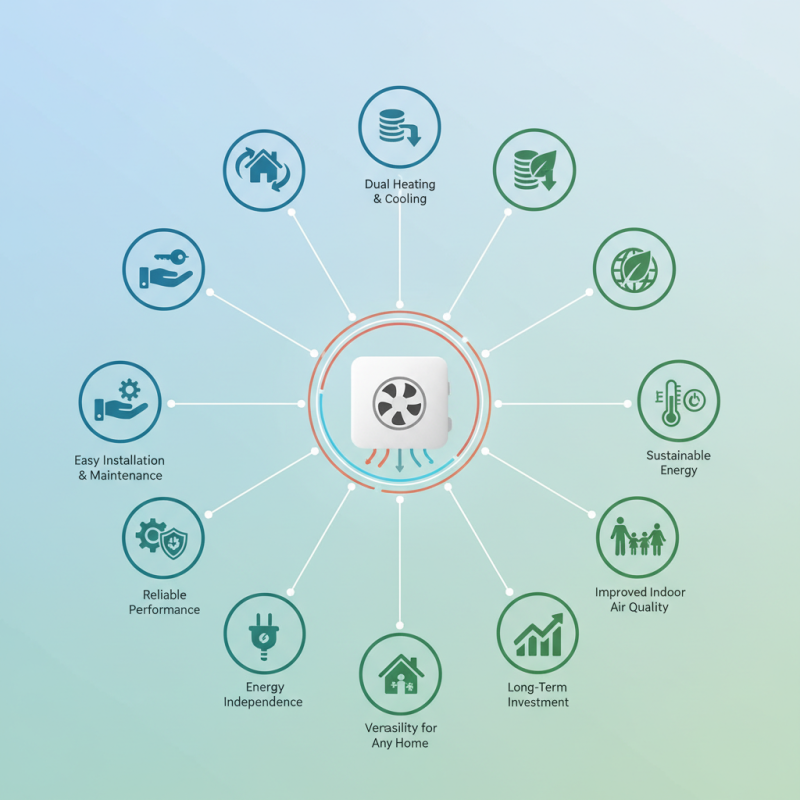
Top 10 Benefits of Heatpump Units for Global Buyers?
In recent years, the Heatpump Unit has emerged as a popular choice for climate control and energy efficiency. Global buyers increasingly recognize its numerous advantages. This technology is designed to extract energy from the environment, making it a sustainable option.
The Heatpump Unit stands out in versatility. It can provide both heating and cooling. This dual functionality appeals to a wide range of consumers. Additionally, heat pumps can significantly reduce energy bills, offering long-term financial benefits. For many, this means lower utility costs.
However, some buyers may face challenges when selecting the right unit. Understanding specific needs can be difficult. It’s important to consider factors such as home size, climate, and installation costs. While the benefits are clear, careful deliberation ensures the best choice for diverse needs in different environments.
Overview of Heat Pump Units and Their Functionality
Heat pump units are versatile devices that utilize electricity to transfer heat. They can both heat and cool spaces, making them highly efficient for year-round climate control. By harnessing the ambient temperatures from air, ground, or water, heat pumps can significantly reduce energy consumption. This feature makes them an appealing option for environmentally conscious consumers.
When considering a heat pump, inspect the installation location. Proper placement is crucial for optimal functionality. Ensure that the outdoor unit has enough clearance for air circulation. A hidden installation might look better but can impair performance.
Regular maintenance is essential. Clean or replace filters as needed and check for any signs of wear. Neglecting maintenance can lead to inefficiencies and costly repairs. Small investments in upkeep will pay off in the long run.
In regions with variable climates, choose a unit designed to function efficiently across various temperatures. Some units are less effective in extreme cold, so research options that suit your area's specific weather patterns. Understanding these aspects can enhance your heat pump experience dramatically.
Energy Efficiency: How Heat Pumps Reduce Energy Consumption
Heat pumps are becoming increasingly popular due to their energy efficiency. These units can significantly reduce energy consumption in homes and businesses. They work by transferring heat rather than generating it. This means they can provide both heating and cooling while using less electricity.
One of the remarkable aspects of heat pumps is their ability to lower utility bills. Efficient heat pumps can reduce energy costs by up to 50%. This benefit is particularly significant in areas with extreme temperatures. Furthermore, heat pumps utilize renewable energy sources. They extract heat from the air, ground, or water, minimizing reliance on fossil fuels.
Despite their many advantages, there are challenges. Not all regions have the same efficiency levels, especially in colder climates. Homeowners must consider local weather patterns. Maintenance is crucial. Regular checks improve performance and longevity. Understanding these factors will help ensure that heat pumps deliver their promised energy savings effectively.
Top 10 Benefits of Heatpump Units for Global Buyers
| Benefit | Description | Energy Savings (%) | Carbon Footprint Reduction (%) |
| Energy Efficiency | Maximizes heating and cooling efficiency using less energy. | 30-50% | 40% |
| Cost Savings | Reduced utility bills due to lower energy consumption. | 20-40% | 35% |
| Environmental Impact | Significantly reduces greenhouse gas emissions. | N/A | 60% |
| Versatility | Suitable for both heating and cooling requirements. | N/A | N/A |
| Longevity | Long operational life compared to traditional heating systems. | N/A | N/A |
| Incentives | Available government rebates and incentives for installation. | N/A | N/A |
| Comfort | Provides consistent temperature and air quality. | N/A | N/A |
| Low Maintenance | Requires less maintenance compared to conventional heating. | N/A | N/A |
| Noise Reduction | Operates quieter than traditional HVAC systems. | N/A | N/A |
| Future-Proof | Aligns with future energy regulations and standards. | N/A | N/A |
Environmental Benefits: Lowering Carbon Footprint with Heat Pumps
The increasing adoption of heat pump units is a significant development in combating climate change. These systems can reduce greenhouse gas emissions substantially. According to the International Energy Agency, heat pumps can cut carbon emissions by up to 50%. This reduction is crucial as countries work to achieve net-zero targets.
Heat pumps utilize renewable energy sources, such as ambient air and ground heat. This characteristic allows them to operate with high efficiency. For instance, the U.S. Department of Energy highlights that heat pumps can offer up to three times more heating energy than the electrical energy they consume. This efficiency not only lowers utility bills but also minimizes reliance on fossil fuels.
However, the transition to heat pumps is still facing obstacles. Many regions lack awareness or proper guidelines for their installation and maintenance. As the market grows, educational efforts and training for technicians become vital. Users must also consider the initial costs, though they tend to recover savings over time. Addressing these gaps will be key to maximizing the environmental benefits of heat pumps.
Cost Savings: Long-Term Financial Advantages of Using Heat Pumps
Heat pumps offer significant cost savings for homeowners and businesses alike. Over time, these units efficiently transfer heat, which can drastically reduce energy bills. A well-installed heat pump can lower heating and cooling costs by up to 50%. This percentage varies based on the local climate and usage patterns. It's crucial to assess these factors to understand potential savings fully.
Investing in heat pump technology often comes with high upfront costs. However, the long-term financial benefits outweigh initial expenses. Operating costs are much lower compared to traditional systems, especially in mild climates. Maintenance is typically less intensive, leading to further savings over the lifespan of the unit. Regular maintenance can extend the lifespan of a heat pump, providing years of economical operation.
Despite their advantages, buyers should approach heat pumps with caution. Not every model suits every area or climate. It's essential to research and consider factors like energy efficiency ratings and technological features. Consulting with professionals can provide tailored insights for specific needs. This decision requires careful thought, as investing without thorough understanding may lead to unexpected costs down the line.
Versatility: Applications of Heat Pumps in Various Climates and Settings
Heat pumps are increasingly popular for their versatility in various climates and settings. They efficiently provide heating and cooling, making them suitable for different environments. In tropical regions, heat pumps can cool indoor spaces effectively, saving energy compared to traditional air conditioning. In colder climates, they extract heat from the air or ground, ensuring comfort during frigid temperatures. Their functionality extends to residential, commercial, and industrial applications.
Tips for choosing the right heat pump include considering your local climate and space requirements. Assess your energy usage to determine the best system size for efficiency. It’s essential to consult with energy experts who understand heat pump technology. Ensure that the installation meets your home’s specific needs.
Moreover, heat pumps may not perform equally well in extreme conditions. Sometimes, their efficiency can drop significantly during harsh winters. Regular maintenance is crucial for optimal performance. Keep filters clean and check for refrigerant leaks. Understanding these factors can lead to better long-term satisfaction with your heat pump investment.