Top 10 Home Textile Fabrics You Should Know About?
When it comes to home decor, choosing the right home textile fabric is crucial. Fabrics not only enhance the aesthetic but also impact the comfort of your living space. From cozy blankets to elegant curtains, the right choices can transform any room.
The world of home textile fabrics is rich and varied. Each fabric type brings its own unique vibe and utility into your home. It can be overwhelming to navigate, especially if you're unsure of what you truly need. Exploring different textiles can lead to interesting discoveries, yet it may also result in mismatched choices that leave you dissatisfied.
Ultimately, understanding the top home textile fabrics will empower you to make informed decisions. Whether you prefer luxury or durability, the right textiles will reflect your personal style. Selecting fabrics that resonate with your lifestyle can create a harmonious environment in your home. Don't rush the process; take time to explore and reflect on what fits best.
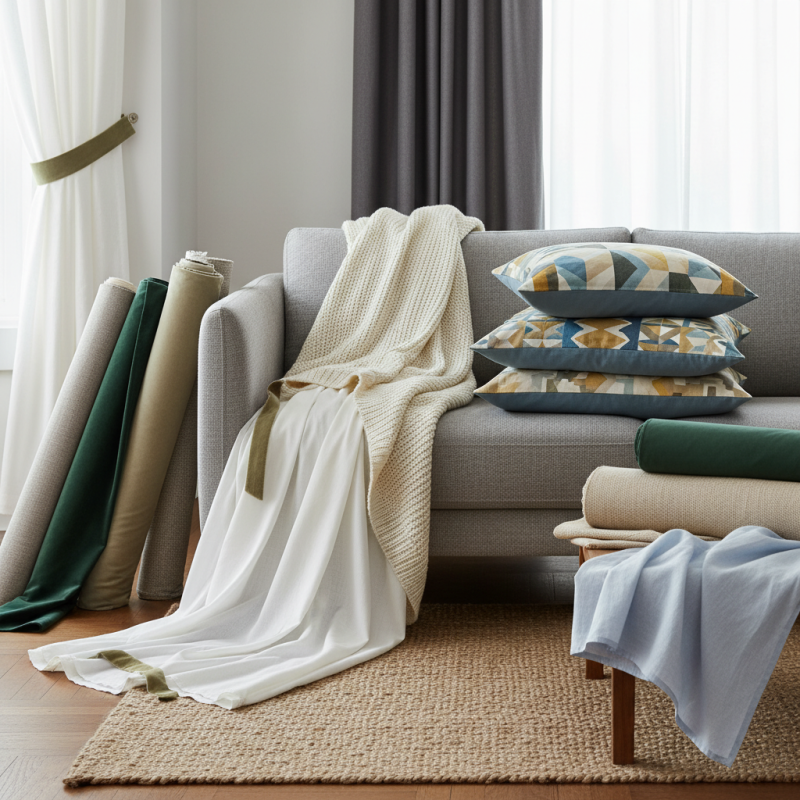
Top 10 Home Textile Fabrics: A Comprehensive Overview
Home textiles play a crucial role in interior design. Understanding the different fabrics is essential. According to a recent market report, the global home textile market is estimated to reach $132 billion by 2024, with a growing demand for sustainable and innovative fabrics.
Cotton is a staple in homes for its softness and breathability. It absorbs moisture well, making it ideal for bedding. Linen, on the other hand, offers a relaxed, textured feel. With an increasing focus on sustainability, linen demand has surged in recent years. Wool is another fabric worth noting. Its insulating properties regulate temperature, providing comfort year-round. However, its maintenance can be challenging, as it often requires dry cleaning.
Synthetic fabrics like polyester are gaining traction for their durability and cost-effectiveness. They boast stain resistance, but some find them less breathable. Natural blends, such as cotton-polyester mixes, attempt to merge the best qualities of both worlds. Interestingly, many consumers prefer organic options, aligning with the eco-conscious trends seen in recent studies. While these fabrics bring functionality, they also pose questions of comfort and environmental impact. The choice of fabric extends beyond aesthetics; it reflects personal values and lifestyle choices.
Top 10 Home Textile Fabrics Overview
Understanding Cotton: The Most Popular Home Textile Fabric
Cotton remains the most favored fabric in home textiles. It's soft, breathable, and hypoallergenic. Many people choose cotton for bedding and curtains. Its versatility lets you create a cozy atmosphere. However, not all cotton is created equal. The quality can vary significantly. This often leads to disappointment when expectations are high.
When picking cotton fabrics, consider the thread count. A higher thread count generally means better quality. But sometimes, a lower count can feel just as nice. Texture matters as well. Crinkled or brushed cotton can add a unique touch. Also, colors and patterns can greatly influence a room’s vibe. While cotton is durable, it can still shrink or fade. Proper care is essential to maintain its charm. It’s worth exploring different options to find what truly fits your needs.
Exploring Linen: Durability and Breathability for Home Use
Linen is gaining recognition for its remarkable qualities. Its durability stands out, making it a favorite in the home textile industry. Research shows that linen fibers are five times stronger than cotton. This strength translates to longer-lasting products, suitable for everyday use. Many households opt for linen bedding and tablecloths due to their resilience against wear and tear.
Breathability is another critical feature. Linen allows air circulation, which helps regulate temperature. This is especially beneficial in humid climates. Studies indicate that linen can absorb moisture without feeling damp. It keeps you cool in summer and cozy in winter. However, not all linen fabrics are created equal. Some are blended with synthetic fibers, reducing breathability. Thus, it's essential to check fabric composition.
Despite its advantages, linen comes with challenges. It wrinkles easily, which may deter some consumers. Additionally, its cost can be higher compared to other fabrics. Quality linen often requires a larger investment. This factor can lead to some hesitation when redecorating. Balancing quality and price remains a topic for many.
The Rise of Microfiber: A Game Changer in Home Textiles
The rise of microfiber has truly transformed home textiles. This synthetic fiber is known for its exceptional softness and durability. According to a study by the Textile Research Journal, microfiber can absorb up to seven times its weight in water. This makes it ideal for towels and bedding. Homeowners appreciate its stain resistance and easy care traits. These features save time on laundry and maintenance.
Microfiber's popularity isn't just about functionality; it’s also about comfort. It feels luxurious against the skin, enhancing our quality of life at home. However, not all microfiber is created equal. Some types can release microplastics in washing cycles. This is a growing concern for many eco-conscious consumers.
Tips: Choose high-quality microfiber products to minimize environmental impact. Look for certifications that ensure low toxicity and safe manufacturing processes. Regularly wash your microfiber items in a cold cycle to reduce any shedding. Enjoy the benefits without compromising your values!
Wool: Natural Insulation and Its Benefits for Household Fabrics
Wool is an exceptional fabric for household textiles. It offers natural insulation, making it ideal for various settings. According to industry reports, wool can regulate temperature effectively. This means cozy warmth in winter and refreshing coolness in summer.
Wool fibers have a unique structure. They trap air, providing excellent thermal insulation. This air layer keeps homes comfortable. Moreover, wool is moisture-wicking. It can absorb up to 30% of its weight in moisture without feeling damp. This property helps maintain indoor air quality by reducing humidity levels.
Many households overlook wool's benefits. Some may find it heavier than other fabrics. It’s essential to consider wool's durability and longevity. Proper care can extend its life significantly. However, it requires a bit more attention compared to synthetic alternatives. That said, the benefits outweigh these minor drawbacks. Investing in wool fabrics can elevate home comfort and sustainability.
Conclusion
The article "Top 10 Home Textile Fabrics You Should Know About" offers a comprehensive overview of essential fabrics used in home textiles. It highlights the popularity of cotton, renowned for its softness and versatility, making it a staple in many households. Linen is celebrated for its durability and breathability, ideal for warm climates. The rise of microfiber is noted as a game changer, with its ease of cleaning and ability to mimic more expensive fabrics. Additionally, wool is praised for its natural insulation properties, while polyester is recognized for its versatility and affordability.
In understanding home textile fabric, each material brings unique benefits to the table. The discussion of these fabrics underscores the importance of selecting the right materials to enhance both comfort and aesthetics in home decor. By familiarizing yourself with these top ten fabrics, you can make informed choices to elevate your living space while ensuring practicality and style.


