
A-B-C Blog

Top White Thermal Transfer Labels From China?

Choosing White Thermal Transfer Labels from China is not simply a matter of comparing prices or choosing the brightest white stock. Buyers need to match the label material, adhesive, ribbon, and printer to the surface and conditions where each label will be used. A carton stored in a dry warehouse presents different demands from a bottle exposed to moisture or repeated handling. Small details matter. Smooth paper may produce crisp barcodes, while synthetic film can offer greater resistance to scuffing. Neither option is best for every job.

This guide examines practical ways to assess Chinese suppliers, including material specifications, adhesive options, roll dimensions, print consistency, packaging, and sample availability. It also outlines useful questions about production controls and quality checks, rather than relying on broad claims such as “premium” or “factory direct.” Testing samples on your own printer can reveal issues a product sheet misses, including ribbon compatibility, edge lift, and barcode readability. No supplier is the top choice for every buyer. The right fit depends on the application, order volume, delivery needs, and budget. One detail is easy to overlook: a lower quote may not include the same liner, core, or tolerances. Compare like with like. These checks can feel tedious, but they make sourcing decisions more dependable.
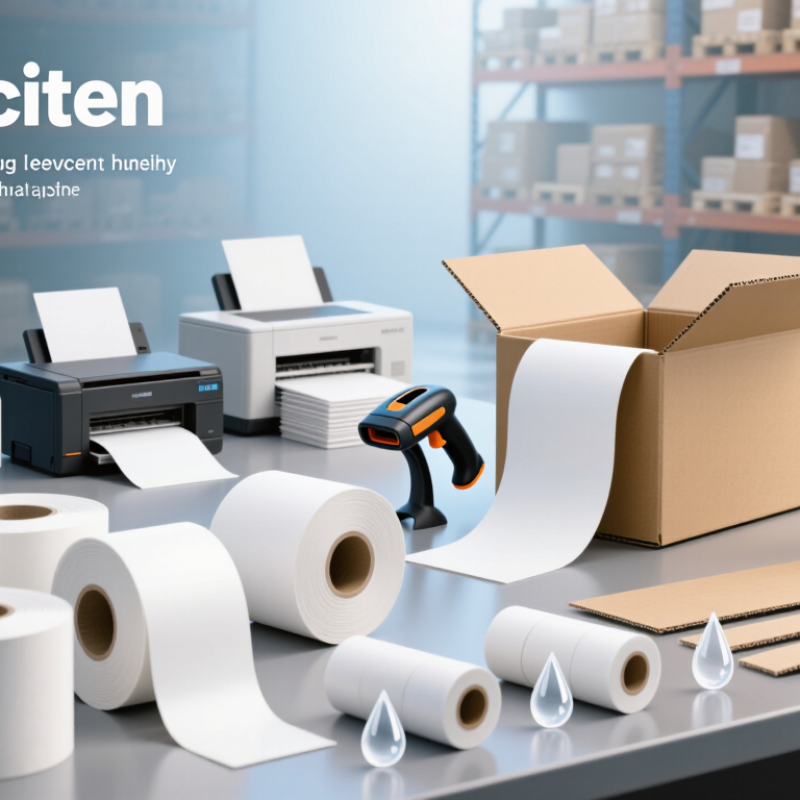
Top White Thermal Transfer Labels From China?

What White Thermal Transfer Labels Are and How They Work

White thermal transfer labels are label materials printed with heat and a ribbon. They commonly use a white paper or synthetic face, an adhesive layer, and a release liner. Color matters. The white surface gives dark text and barcodes a clear background. During printing, a heated printhead presses the ribbon against the label. Heat transfers ink from the ribbon onto the face, forming letters, numbers, or graphics. No liquid ink is sprayed. The process can create sharp edges, which helps small text remain readable.

Ribbon type, printer heat, and print speed all affect the result. Wax ribbons often suit routine indoor labeling, while resin-containing ribbons may be selected for tougher conditions. The right choice depends on the label material and its exposure to handling, moisture, or abrasion. A label can look crisp on the roll yet fail after contact with a damp surface. Test it. Print a sample with small text and a barcode, apply it to the actual packaging, then check readability and rub resistance. It is easy to focus only on the white face; adhesive compatibility and storage conditions matter too. Even a well-printed label may lift if its surface is dusty or curved.

Materials and Features That Define Label Quality

White thermal-transfer labels may look alike on a roll, but their materials behave differently in use. Coated paper suits many indoor applications and gives crisp text when matched with the correct ribbon. Synthetic films, such as polypropylene or polyester, are often chosen when labels face moisture, rubbing, or frequent handling. The best option depends on the surface, printer settings, and expected service conditions.

A bright white face stock can improve contrast, but brightness alone does not prove quality. That shortcut is tempting, yet incomplete. Check for an even coating, a smooth surface, and consistent thickness; rough patches can interrupt fine barcodes. The ribbon matters too: wax, wax-resin, and resin formulations each suit different combinations of material and durability needs. Test a sample at the intended speed and heat.

Adhesive performance deserves the same attention. A label for a clean carton may not grip textured packaging or a chilled container reliably. Ask suppliers in China for details on face stock, adhesive type, liner, and recommended ribbon, then test labels on the actual surface. Check print sharpness, edge lift, and removal from the backing. Small differences show quickly. Storage conditions also matter, and even a sound specification cannot make every label fit every workflow.

Top White Thermal Transfer Labels From China? - Materials and Features That Define Label Quality

White Label Face Material Surface and Print Characteristics Common Ribbon Match Typical Strengths Key Limitations Common Applications Quality Checks
Coated paper Smooth, white top coating supports clear text and barcodes. Available with different levels of print-receptive coating. Wax or wax-resin, depending on the coating, printer settings, and required durability. Good print definition; economical for general-purpose indoor labeling. Paper can tear and is generally less resistant to water, abrasion, and chemicals than film stocks. Shipping, inventory, retail, carton, and warehouse labels used in dry environments. Check coating uniformity, whiteness consistency, print sharpness, and whether the specified ribbon produces a durable image.
Uncoated paper Matte, more absorbent surface; print appearance can be less crisp than on a suitable coated stock. Wax is commonly used; verify print quality and rub resistance on the actual stock. Often a cost-conscious choice for basic, short-term identification. Typically less resistant to moisture, scuffing, and handling than coated paper or synthetic film. Temporary labels, general office use, and indoor identification with limited exposure. Inspect for dust, surface roughness, consistent coating or finish, and reliable feeding through the printer.
White polypropylene (PP) film Flexible synthetic face stock; may be matte or glossy and may have a print-receptive topcoat. Wax-resin or resin, selected according to the topcoat and required resistance. Resists moisture better than paper and is less prone to tearing during normal use. Adhesion and print durability depend on the specific surface treatment, adhesive, and ribbon combination. Product, packaging, personal-care, and other labels needing a moisture-resistant film face. Check topcoat compatibility, ink transfer, scuff resistance, die-cut edges, and adhesion on the intended container.
White polyester (PET) film Dimensionally stable film with a smooth print surface; commonly supplied with a print-receptive coating. Resin is commonly selected for durable printing; confirm compatibility with the label coating. Suitable for demanding applications requiring strong resistance to tearing, heat, or abrasion, depending on grade. Usually costs more than paper; performance varies by face-stock grade, adhesive, and exposure conditions. Equipment identification, durable asset labels, and industrial applications. Test print adhesion, barcode readability, temperature exposure, and resistance to the specific chemicals or cleaners involved.
White polyethylene (PE) film Soft, conformable film that can suit squeezable or curved packaging; surface treatments vary by grade. Wax-resin or resin, depending on the print surface and required durability. Conforms more readily than stiffer films to curved or flexible containers. Can stretch or wrinkle; printer settings, label construction, and application surface need to be matched carefully. Flexible containers, squeeze bottles, and packaging with curved surfaces. Check conformability, print adhesion, dispensing performance, and adhesive bond on the actual package.

Selection note: Thermal-transfer label performance depends on the complete construction: face stock, print-receptive coating, adhesive, liner, and ribbon. Confirm printer compatibility and test barcode readability, adhesion, and resistance under the intended storage and use conditions.

Common Types of White Thermal Transfer Labels

White thermal-transfer labels vary by face stock, coating, and adhesive. Coated paper offers a smoother surface, helping fine barcodes and small text print sharply with wax or wax-resin ribbons. Uncoated paper costs less, but can show softer edges and may scuff sooner during handling. For warehouse cartons and short-term inventory, that trade-off may be acceptable.

Film labels made from polypropylene or polyester resist moisture and tearing better than paper. They suit chilled containers, reusable bins, and products exposed to frequent wiping. Matte white film reduces glare under bright scanners; gloss can make colors look more vivid. A top-coated surface can improve print durability, but the ribbon must match the coating. There is no perfect stock. I have seen teams choose film for durability, then struggle with an adhesive that releases from a cold, dusty surface.

The choice matters in a growing market. Grand View Research estimated the global labels market at USD 45.5 billion in 2023 and projected a 5.2% compound annual growth rate from 2024 to 2030. That broad market figure includes many label technologies, not thermal-transfer labels alone. For a practical selection, test the actual label, ribbon, printer settings, and application surface together; a clean sample on a bench may behave differently on a damp container.

How to Evaluate Chinese Label Manufacturers

Top White Thermal Transfer Labels From China?

How to Evaluate Chinese Label Manufacturers

A supplier’s sample roll can look excellent, yet fail after hours under a hot warehouse light. Evaluate the material, not just the quotation. Ask for the face-stock and adhesive specifications, roll-width tolerances, and test results for your actual printer and ribbon. White thermal-transfer labels vary in coating, opacity, and resistance to abrasion, moisture, and heat. Request samples from a production run, then test barcode clarity and adhesive performance on your own packaging.

Market context matters, but broad figures need careful interpretation. MarketsandMarkets’ Label Market report estimated the global label market at USD 48.8 billion in 2023, with a forecast of USD 67.0 billion by 2028. This covers multiple label types, not thermal-transfer labels alone. Use it as context, not proof that any factory is qualified. Check process controls, traceability, documented inspections, and whether the manufacturer can explain how defects are detected. A polished audit file helps. It does not replace a real production trial.

Tips: Send the same artwork, core size, and application conditions to each supplier. Compare print darkness, edge lift, and barcode scans after application. Ask for recent quality records and clarify who handles rejected rolls. I would still test a second batch; one good sample proves little.

White Thermal Transfer Label Evaluation: Paper Facestock Conditioning

ISO 187 specifies a standard atmosphere of 23°C and 50% relative humidity for conditioning and testing paper, board, and pulp. Use consistent conditioning when comparing paper facestock samples from different manufacturers. This reference applies to paper facestock; it is not a complete label qualification specification and does not define conditions for synthetic films.

Reference: ISO 187, Paper, board and pulps — Standard atmosphere for conditioning and testing.

Applications and Criteria for Choosing the Right Label

Top White Thermal Transfer Labels From China?

White thermal transfer labels suit shipping cartons, retail shelves, product identification, and warehouse bins. Their bright surface helps dark text and barcodes stand out. The right choice depends on where the label will be used, not just its price. A paper label can work well on a dry carton. A synthetic face stock is often more suitable for damp conditions or frequent handling. Small details matter.

Check the ribbon and label combination before placing a large order. Wax ribbons can suit everyday paper labels, while resin or blended ribbons may offer better resistance to rubbing and moisture. Adhesive choice matters too: a label for smooth glass may not grip rough cardboard reliably. Consider the surface, temperature, and expected exposure. Then test a sample on the actual packaging. Scan the printed barcode after rubbing it gently and leaving it in the intended environment. Test before ordering. Roll width, core size, and winding direction also need to match the printer. These specifications are easy to overlook, and I would not assume that a sample roll represents every production batch. Ask for clear specifications and check print quality under normal operating conditions.