How to Use Welded Wire Mesh for Home and Garden Projects?
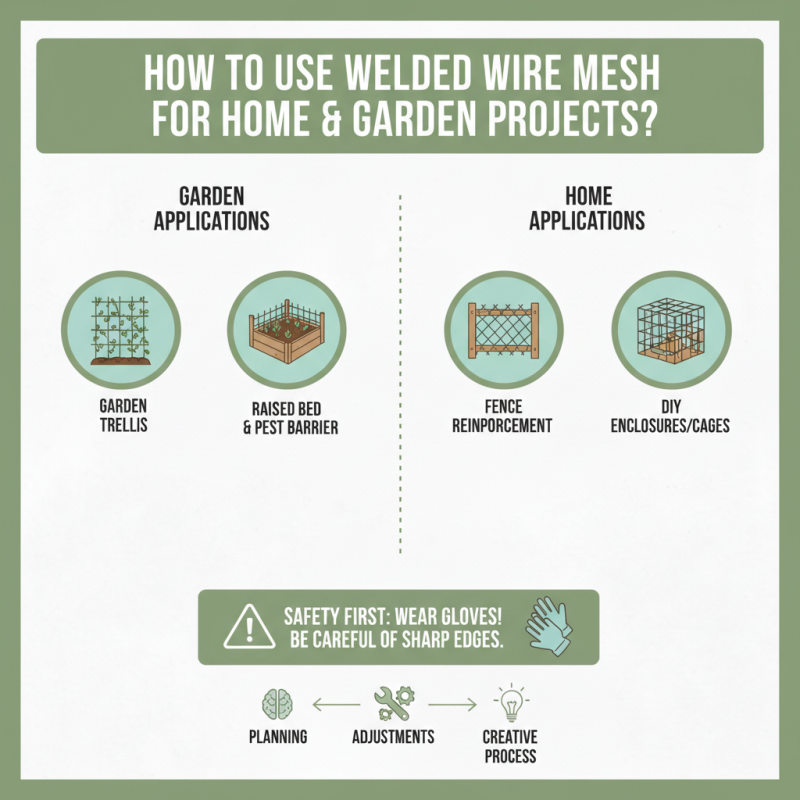
welded wire mesh is a versatile material for various home and garden projects. Its rigid structure provides durability and support. From creating garden trellises to reinforcing fences, it has many applications. You can easily shape it to fit your needs, making it ideal for DIY enthusiasts.
Consider using welded wire mesh for raised garden beds. This sturdy mesh can hold soil while preventing pests from entering. If you're building a compost bin, it provides excellent airflow. You can cut it to size with simple tools. However, remember to wear gloves to avoid injuries.
While using welded wire mesh, keep safety in mind. Be cautious of sharp edges. Proper planning is crucial to ensure stability and effectiveness. Your design might require adjustments, which is okay. Embrace the challenge and enjoy the creative process.
Benefits of Using Welded Wire Mesh in Home and Garden Projects
Welded wire mesh is a versatile material for various home and garden projects. Its sturdy construction provides strength and durability. One major benefit is its ability to create strong barriers. This feature is essential for garden fencing or animal enclosures. The tight mesh design stops pests and keeps your plants safe.
Using welded wire mesh can help with garden beds too. It supports plants without obstructing growth. You can also use it to create trellises for climbing plants. These structures not only look good but also maximize space. Ensure that the mesh is securely anchored to handle wind and rain.
Tips: Use the right gauge of wire for strength. Consider the type of plants you want to grow. Don't forget to check for rust, especially if exposed to moisture. Precise measurements help prevent wastage and ensure better functionality. Sometimes, a simple mistake can lead to uneven edges. Always reflect on your project's requirements before starting.
Selecting the Right Type of Welded Wire Mesh for Your Needs
When selecting the right type of welded wire mesh for home and garden projects, understanding your needs is crucial. This material is often used for fencing, as it provides security without obstructing your view. It’s available in various gauges and mesh openings. According to the Welded Wire Manufacturers Association, heavier gauges offer more strength but can be harder to handle and install. In contrast, lighter gauges may be easier to work with but lack durability.
Consider where you will use the mesh. For garden beds, a mesh with smaller openings might prevent pests from entering. For fencing, medium-sized openings can deter larger animals while allowing visibility. A recent industry report indicated that around 75% of homeowners prefer mesh with galvanized coating for added rust protection, especially in damp climates.
Be mindful of potential issues. While welded wire mesh is often durable, poorly installed fences can lead to problems. Gaps left during installation may attract unwanted visitors. Furthermore, some users report frustration with bending and cutting the mesh, which can be time-consuming. Ensure you have the right tools before starting your project to avoid these setbacks.
Step-by-Step Guide: Installing Welded Wire Mesh for Garden Fencing
Welded wire mesh is a versatile material for garden fencing projects. It provides strength and durability. Many gardeners have turned to this option for its practicality. In fact, a report by Grand View Research indicates that the global wire mesh market is projected to reach $18.22 billion by 2025. This growth shows the increasing popularity of such materials among DIY enthusiasts.
Installing welded wire mesh for fencing requires a few straightforward steps. Start by planning the layout of your fence. Measure the area to ensure accuracy. A good rule of thumb is to have posts every six to eight feet. Dig holes deep enough to set the posts firmly, ensuring stability. Use concrete for extra support. Position the welded wire mesh panels between the posts. Secure them tightly with fencing ties or staples.
While the process seems simple, challenges can arise. Uneven ground can complicate installation. Making adjustments may require additional tools. It's important to double-check measurements throughout. This ensures a straight and uniform fence. The aesthetically pleasing look of welded wire mesh combined with its low maintenance makes it a favored choice. However, take your time to reflect on your design before finalizing the installation.
Creative Applications of Welded Wire Mesh in Home Decor
Welded wire mesh is versatile for home decor. It offers a blend of functionality and style. Many people are discovering creative ways to use it. According to the Market Research Future report, the global welded wire mesh market is expected to grow significantly, reaching a value of USD 5 billion by 2026. This growth highlights its popularity and usability in various projects.
One unique application is making decorative wall art. By framing the mesh and adding greenery or lights, you create a stunning piece. This idea can transform any room. Another practical use is in creating custom shelves. A welded wire mesh shelf can manage space efficiently while adding an industrial touch.
However, one challenge can be the mesh's sharp edges. Proper handling is crucial to avoid injuries during installation.
It's essential to reflect on personal creativity while using welded wire mesh. Not every project will turn out as envisioned. Sometimes, the results can be overly simplistic or not suit the space as intended. This is part of the experimentation process. Embracing imperfections can lead to innovative solutions. Just remember, creativity thrives in both success and mistakes.
Maintenance Tips for Ensuring Longevity of Welded Wire Mesh Projects
Welded wire mesh can be a versatile addition to home and garden projects. However, maintaining its integrity is crucial for longevity. According to industry reports, proper care can extend its lifespan considerably, potentially saving homeowners money in replacements.
Regular inspections are essential. Look for signs of rust or damage. Rust can be indicative of moisture retention. Ensuring proper drainage around mesh installations can mitigate this issue. Use a wire brush to remove any rust. Apply a protective coating every few years for extra durability.
It’s also important to consider sun exposure. Prolonged UV exposure can weaken the material. If your wire mesh is in a sunny location, consider adding shade. This simple adjustment can prolong its life.
Tips: Keep the area around the mesh tidy. Remove debris regularly to prevent moisture buildup. This small effort can make a significant difference over time. Utilize proper storage during the off-season as well. Even wire mesh benefits from a little care when not in use.