
A-B-C Blog

What Is Cake Modeling Gummy Candy?

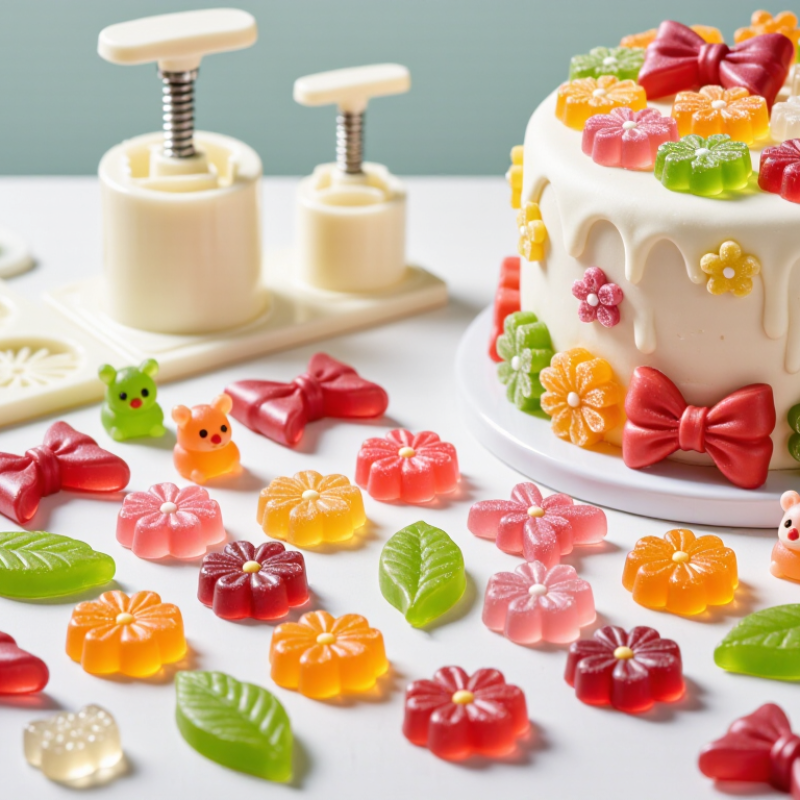
Cake Modeling Gummy Candy refers to gummy-based confectionery shaped into decorative pieces for cakes. The term is not used consistently. Some bakers use ready-made gummies, while others work with a firmer, moldable candy mixture. Its defining feature is flexibility: small pieces can become petals, bows, lettering, or playful figures. Unlike soft frosting, a gummy decoration holds a glossy, slightly elastic shape. It can add color and a chewy accent to a cake’s smooth surface.

The material’s behavior depends on its recipe, temperature, and humidity. A piece that feels easy to shape in a cool kitchen may turn sticky under warm lights. Bakers often use clean hands, small silicone molds, and a lightly dusted work surface to control handling. Details matter. Thin petals may tear, while thick figures can feel heavy on delicate icing. Allowing shapes to set before placing them helps preserve their edges, though setting time varies by product. The decoration should also suit the cake: strong flavors or dense gummies may distract from a lightly flavored sponge. Ingredient labels deserve attention, especially for allergens and dietary preferences. Cake Modeling Gummy Candy is best understood as a creative decorating option, not a single standardized recipe or guaranteed technique. A little trial and error is normal. Test gently. Trying one small shape first can reveal whether the candy bends, sticks, or firms as expected. That practical check can make the finished cake more attractive and easier to serve.
What Is Cake Modeling Gummy Candy?

Definition and Classification of Cake Modeling Gummy Candy

Cake modeling gummy candy is a descriptive term, not a universally standardized confectionery category. It usually means gummy candy soft and pliable enough to shape into cake decorations, such as small flowers, leaves, or lettering. Unlike a firm gummy bear, it should retain fine edges after shaping. That distinction matters. Warmth, moisture, and handling can still soften or distort a decoration.

Products can be classified in two practical ways: by gelling ingredient and by intended use. Gelatin-based gummies tend to be elastic, while pectin-based versions can feel firmer or more tender, depending on the recipe. By use, they may be molded as separate toppers or shaped directly into decorative cake elements. Sugar concentration, acidity, and moisture all affect workability, so “modeling” does not guarantee one consistent texture.

Grand View Research estimated the global gummy market at USD 22.4 billion in 2023 and projected a 12.3% compound annual growth rate from 2024 to 2030. That broad market estimate provides context, but it does not isolate cake-modeling gummies or establish a formal product classification.

Ingredients and Structure

What Is Cake Modeling Gummy Candy?
Ingredients and Structure

Cake modeling gummy candy is a chewy confection shaped into small decorations, such as petals, bows, or tiny fruit. Its base usually combines sugar, glucose syrup, water, and a gelling agent such as gelatin or pectin. The syrup adds body and limits coarse sugar crystals; the gelling agent gives each piece its spring. Acids bring a tart edge and can affect how firmly the gel sets. Not quite fondant: gummy pieces stay elastic and may slump in a warm room.

Structure depends on the balance between gel and dissolved sugars. USDA FoodData Central’s generic gummy-candy entry reports about 77 grams of carbohydrate per 100 grams; recipes differ, but the figure shows how much of the candy is built from carbohydrate ingredients. A firm surface helps details hold, while a moist interior keeps the bite pliable. That trade-off is easy to miss. More gel can improve shape retention, yet make a piece tough; too much moisture can blur fine ridges.

Tips: Work with small pieces and keep unused candy covered. If an edge softens, chill it briefly, then check the texture before decorating. Store finished shapes away from heat and humidity. A test flower first can save a whole cake.

What Is Cake Modeling Gummy Candy? - Ingredients and Structure

Ingredient or Feature Typical Composition or Structure Purpose Effect on the Finished Candy
Sugar Usually sucrose, often combined with glucose syrup. Provides sweetness and contributes to the candy’s bulk and texture. Helps create a firm, cohesive candy when the mixture is cooked and cooled.
Glucose syrup A syrup containing glucose and other carbohydrates, used alongside sugar in many gummy recipes. Helps control crystallization and contributes to body and chew. Supports a smoother texture; the balance with sugar affects firmness and stickiness.
Water Used to dissolve ingredients and hydrate the gelling agent; some is removed during cooking. Allows the mixture to be heated and blended into a uniform mass. The amount left after cooking influences softness, firmness, and shelf stability.
Gelling agent Common choices include gelatin or pectin. Formulations use one or the other, or another suitable gelling system. Builds the network that holds the candy’s shape. Gelatin commonly gives an elastic, chewy bite; pectin can produce a firmer, shorter bite. Results depend on the full recipe and process.
Food acid May include citric or malic acid, depending on the recipe and gelling system. Adds tartness and helps adjust acidity. In some pectin systems, acidity is important for gel formation. Balances sweetness; the type and timing of acid addition can affect flavor and texture.
Flavouring and colouring Food-grade flavourings and permitted colour ingredients, used as needed. Provide the intended taste and appearance. Change the candy’s sensory qualities without forming its main structural network.
Surface finish Depending on the product, the surface may be lightly oiled, waxed, or coated with sugar. Helps reduce sticking or gives the candy a specific finish. A coating can make pieces easier to handle, but it is separate from the gummy’s internal gel structure.
Overall structure A sweetened, cooked mixture in which a gelling agent forms a continuous network around dissolved sugars and retained water. Combines shape retention with a soft or chewy texture. For cake modelling, the candy needs enough firmness to hold decorative shapes while remaining workable; the exact texture depends on the formula and handling conditions.

Note: “Cake modeling gummy candy” does not have one universal formula. Ingredients, proportions, texture, and suitability for shaping vary by recipe and by the chosen gelling system.

How the Candy Is Formed and Modeled

Modeling gummy candy into a cake shape begins with a soft, pourable mixture. Sugar, glucose syrup, water, and a gelling ingredient are heated until evenly combined. Gelatin gives a springy bite; pectin can create a different, often firmer texture. The exact result depends on the recipe and cooking temperature. Small changes matter.

The warm mixture is poured into food-safe molds shaped like cake layers, flowers, or tiny decorations. After it cools and sets, the pieces are released and assembled with a little edible syrup or another suitable gummy mixture. Thin details, such as piped-looking borders, can be added using a small piping bag. Steady hands help. They do not solve everything.

For a clean finish, makers avoid overfilling molds and let each layer set before adding another. A damp surface or hurried assembly can make decorations slide. That part can be frustrating. Gummy candy also softens in warm conditions, so finished pieces are usually kept cool and covered. The shape may look like a miniature celebration cake, but its edges can remain slightly uneven—and that handmade detail is part of the process.

Texture, Flavor, and Decorative Features

Cake-modeling gummy candy is made to be both chewy and shapeable. A good piece bends slightly under a fingertip, then holds its form without cracking. Its surface may feel smooth or lightly dusted, while the center stays elastic rather than tough. That contrast matters on a cake: a tiny flower should keep its petals, but still feel pleasant to eat.

Flavor needs to complement the cake, not overpower it. Bright citrus or berry notes can cut through rich frosting; vanilla or fruit flavors may blend more gently. The National Confectioners Association’s 2024 State of Treating report found that 92% of Americans enjoy chocolate and candy. That broad appeal helps explain why candy decorations can make a cake feel more inviting, though the figure does not measure gummy toppings specifically. Color, shine, and small molded details add visual interest. But too much decoration can look busy, and glossy surfaces may conceal fingerprints or uneven edges.

Tips: Let decorations rest before placing them on frosting. Use a little cornstarch to reduce sticking, and press details gently into place. Check the texture after shaping; warmth can make the candy droop. I still find that very fine details are easy to overwork.

About this profile: The scores are a qualitative 1–5 illustration of common gummy-candy characteristics, not standardized measurements. Actual texture, flavor, and decoration vary by recipe and design.

Common Uses and Storage Considerations

Cake-modeling gummy candy is a soft, shapeable confection used to add edible details to cakes and cupcakes. It can be rolled, cut, or molded into small flowers, bows, letters, and playful figures. Its flexibility makes it useful for decorations that need more movement than firm fondant allows. The texture varies by recipe; some pieces stay chewy, while others become firmer as they dry. Small details work best. Thick shapes may sag, especially in a warm room, so they should not carry the weight of a cake tier. That distinction matters.

Storage affects both texture and appearance. Keep unused candy in an airtight container in a cool, dry place, away from sunlight and heat. Separate pieces with parchment if they are tacky or brightly colored, since colors can transfer. Refrigeration is not always helpful: condensation after removal may make the surface wet or sticky. If the candy is already on a cake, consider the frosting and room conditions before choosing where to store it. There is no single rule for every recipe. A brief test with one small decoration can reveal whether it softens, cracks, or holds its shape overnight. Check decorations before serving, particularly after a humid day.