What Is Tempura Batter Made Of?
Tempura Batter is usually made from flour and very cold water, with egg added in many recipes. Some cooks leave out the egg, while others use rice flour or starch for a lighter, crisper coating. There is no single formula. The ingredients are simple, but their temperature and handling can change the result.
A bowl of chilled water, a lightly beaten egg, and sifted flour may be all you need. Mix briefly. Small lumps are acceptable; a smooth, heavily stirred batter can turn dense because gluten develops as flour is worked. This is a useful guideline, not a guarantee. Flour types, room temperature, and the moisture on vegetables or seafood all affect how the coating fries. Even the oil temperature matters, though it is not part of the batter itself. A wet zucchini slice, for example, may need gentle drying before dipping.
This article explores classic tempura batter ingredients, why cold components are often recommended, and how common variations behave. It also separates practical kitchen guidance from claims that sound absolute. A thin coating should cling without hiding the ingredient beneath it. That takes practice. A first batch may be uneven, and that is worth noticing rather than ignoring: batter thickness, mixing time, and frying conditions can each be adjusted. Understanding those details makes it easier to choose a recipe and work toward a delicate, crisp finish at home.
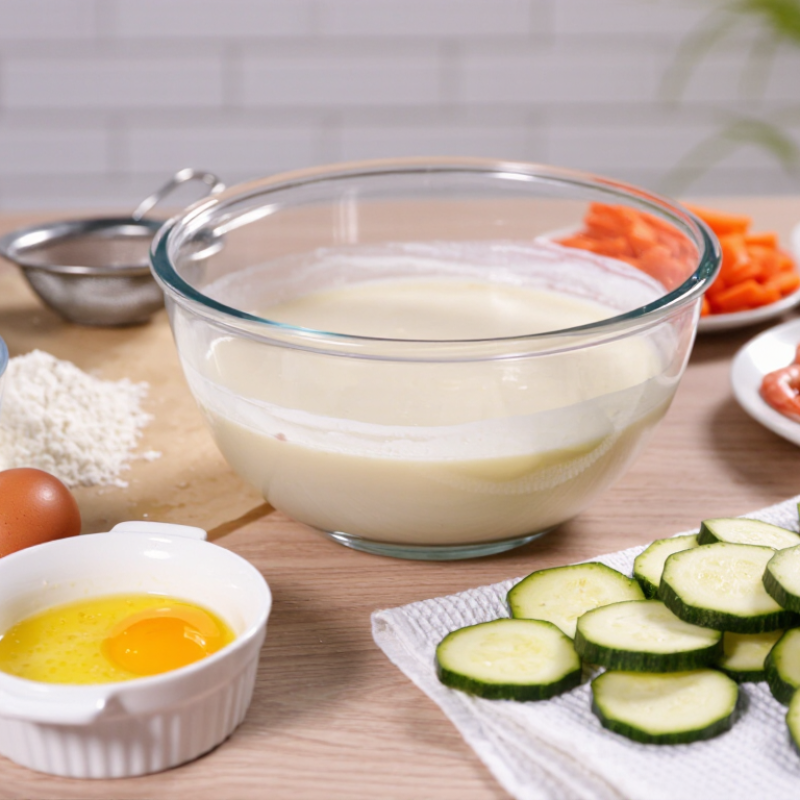
What Tempura Batter Is and How It Differs from Other Batters
Tempura batter is usually made from flour and very cold water, with egg included in some recipes. A little starch may also be added for a lighter, crisp coating. The mixture is often stirred briefly, so small lumps can remain. That rough appearance is normal. Overmixing can develop gluten and make the fried coating tougher.
Tempura differs from many familiar batters in both texture and handling. Some fish batters use beer or leavening for a thicker, puffier shell. Breaded coatings add dry crumbs, creating a more substantial crunch. Tempura batter is typically thinner and clings lightly to vegetables or seafood, such as a green bean or shrimp. Cold ingredients and quick frying help create a delicate, crisp surface. Results still vary with oil temperature and moisture on the food, so the method is not foolproof.
Tips: Keep the water cold, and mix only until the dry flour is mostly moistened. Pat ingredients dry before dipping; excess water can make the coating slide off. Fry in small batches so the oil stays hot. If the batter turns gummy, it may have been mixed too much—or the oil may have cooled.
The Core Ingredients in Traditional Tempura Batter
Traditional tempura batter relies on a short ingredient list: wheat flour, egg, and very cold water. Some cooks use cake flour or add starch, but plain, low-protein flour is a reliable starting point. Less protein helps limit gluten, keeping the coating delicate rather than bread-like. The egg adds color and a little structure; it should not make the batter rich. Water temperature matters. Chilled water helps slow gluten development and supports a crisp coating in hot oil.
Measure everything before frying, and keep the water cold until you need it. Beat the egg with the water, then add the flour and stir briefly with chopsticks or a fork. Small lumps are fine. A perfectly smooth batter can become tough if mixed too much. Aim for a loose texture, like thin cream, that clings lightly to a piece of vegetable or shrimp. Flour and humidity vary, so adjust with a small spoonful of water or flour. That judgment takes practice. It is tempting to chase a flawless mixture, but a few uneven edges are better than overworked batter.
How Each Ingredient Affects Texture and Crispness
Tempura batter is usually made from flour, cold water, and sometimes egg. Each ingredient changes how the coating fries. Wheat flour gives the batter structure, but too much mixing develops gluten. That can make the shell chewy instead of delicate. Stir just until the dry streaks mostly disappear. Lumps are fine.
Cold water slows gluten formation and keeps the batter from turning heavy too quickly. Some cooks use sparkling water, but ordinary ice-cold water works well, too. A little cornstarch or rice flour can make the crust feel lighter and crisper because these starches form less gluten than wheat flour. The exact balance depends on the vegetables or seafood being coated; a thin slice of squash needs less batter than a bulky shrimp.
Egg adds flavor, color, and protein, which can help the coating brown. Too much may make it thicker and more cake-like, so recipes vary. The batter should cling in a thin, uneven layer, not hide the ingredient beneath it. Fry soon after mixing, while it is still cold. Don’t chase a perfectly smooth bowl. I used to think the lumps meant I had rushed; they often signal that the batter has not been overworked.
How Tempura Batter Is Mixed and Used
Tempura batter is usually made from cold water, egg, and plain flour. Some cooks use sparkling water, but ordinary ice water works well. Chill the water and egg before mixing. Cold batter helps create a light coating when it meets hot oil.
Beat the egg briefly with the water, then add the flour. Stir just until the dry patches mostly disappear; small lumps are fine. A perfectly smooth bowl may look reassuring, but extra mixing can make the coating chewy. Work quickly. The batter warms as it sits, so mix only what you can use soon. This is a detail that is easy to overlook.
Pat vegetables or seafood dry before dipping, or the batter may slide off. Coat each piece lightly and let excess drip back into the bowl. Fry a few pieces at a time in oil held around 170–180°C (340–355°F). Crowding cools the oil and can leave the coating greasy. Watch the edges: they should turn crisp and pale gold, not dark brown. Adjust the heat between batches, and refresh the batter if it becomes watery.
Common Variations and Ingredient Substitutions
Tempura batter usually combines wheat flour, very cold water, and sometimes egg. Variations change the crust more than the basic method. Replacing some flour with cornstarch or potato starch can make the coating lighter and crisper. Rice flour is another option, especially when avoiding wheat, though the result may feel more brittle. Keep the batter cold and mix it briefly; small lumps are fine. Overmixing can make the coating chewy.
Ingredient data helps explain one difference. USDA FoodData Central reports about 10 grams of protein per 100 grams of enriched all-purpose flour, compared with roughly 6 grams in white rice flour. Rice flour contains less protein, but that alone cannot guarantee a crisp result; oil temperature and moisture matter too. The trade-off is easy to miss. For an egg-free batter, omit the egg and use cold sparkling water for lift, though the coating may cling less evenly. For a gluten-free version, use rice flour with a little starch, and check that every ingredient avoids cross-contact with wheat. I still find the texture less predictable than classic wheat batter, so fry one small piece first and adjust the mix if it turns dense.


