A-B-C Blog
What Is Packaging Equipment and How Does It Work?
Packaging Equipment is the practical system behind modern product handling, filling, sealing, labeling, and palletizing. It converts separate components into a controlled production flow. According to Grand View Research, the global packaging machinery market was valued at approximately USD 53.98 billion in 2023. The report also projects steady growth through 2030. These figures reflect rising demand for packaged food, beverages, medicines, and consumer products.
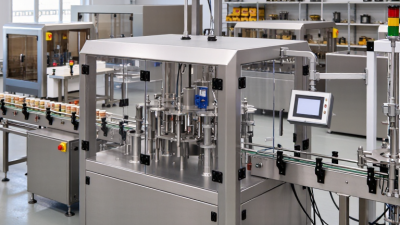
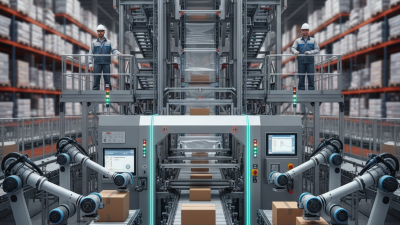
Inside a typical line, conveyors move containers between machines. Sensors confirm position, speed, and product presence. Fillers measure liquids, powders, or solids. Capping units apply controlled torque. Labelers align printed information with surprising precision. Programmable logic controllers coordinate each step. Operators still matter. They inspect materials, adjust settings, and respond when a seal looks weak or uneven. Small errors can create waste, delays, or inconsistent presentation.
PMMI’s 2024 State of the Industry report highlights automation, labor availability, and sustainability as major packaging machinery concerns. These pressures are changing how manufacturers select and operate equipment. A faster machine is not automatically a better machine. Energy use, cleaning time, changeover speed, safety controls, spare parts, and operator training deserve equal attention. The World Packaging Organisation’s packaging trend research also emphasizes resource efficiency and responsible design. Yet industry reports cannot predict every factory condition. A specification sheet may look convincing, but real performance depends on product viscosity, package dimensions, humidity, and maintenance discipline. That assumption deserves scrutiny. Understanding how Packaging Equipment works helps buyers compare technologies realistically and build lines that remain reliable beyond the sales demonstration.
What Packaging Equipment Is and Why It Matters
What Is Packaging Equipment and How Does It Work?
Packaging equipment includes machines that fill, seal, label, code, inspect, and palletize products. On a production floor, operators may watch containers move through several linked stations. Sensors check position, weight, and seal quality. Servo motors adjust speed with surprising precision. A brief misalignment can stop the entire line. Small errors multiply.
Packaging equipment matters because it protects products and controls operating costs. The Food and Agriculture Organization reports that 13.2% of food is lost between harvest and retail. Better filling accuracy, sealing, and handling can help reduce avoidable damage. Packaging machinery also supports hygiene, traceability, and consistent output. These benefits are practical, not decorative. A clear batch code can save hours during a quality investigation.
Industry data shows continued investment. PMMI’s 2024 Packaging Machinery Economic Impact Study estimated the U.S. packaging machinery market at approximately 11.3 billion dollars in 2023. The report also identified labor shortages and automation as major purchasing influences. However, faster automation is not automatically better. Poor changeover design may increase downtime, while complex controls can burden small teams. In my experience, the strongest systems balance speed with clean access, simple adjustments, and measurable inspection points. The choice is rarely perfect. It should be tested against actual products, operators, and daily production conditions.
The Main Types of Packaging Equipment
Packaging equipment is machinery that prepares, fills, seals, labels, and moves products. Its main purpose is consistent protection, accurate handling, and faster production. In a working line, conveyors guide containers between machines, while sensors check position, weight, and seal quality. Small adjustments matter.
Filling machines place measured amounts into bottles, jars, pouches, or trays. Liquid fillers use pumps or gravity, while auger systems handle powders. Form-fill-seal machines create packaging from rolls of film, fill each pocket, and seal it in one continuous cycle. Cartoning equipment folds cartons and inserts products. Labeling machines apply labels at controlled speed, often using cameras to detect alignment.
Secondary packaging equipment groups individual units into cartons, trays, or cases. Case packers load products carefully, especially when containers are fragile or uneven. Palletizing systems stack finished cases in stable patterns for storage and transport. Checkweighers and vision inspection machines remove items with missing labels, weak seals, or incorrect counts. They do not replace skilled operators.
A reliable setup depends on product shape, material, speed, and cleaning requirements. From hands-on line checks, I have found that simple machines can outperform complex systems when changeovers are frequent. That assumption is not universal. Dust, heat, vibration, and operator habits can reduce performance. Regular calibration, clear maintenance records, and practical training keep the line dependable.
How Packaging Equipment Works Step by Step
What Is Packaging Equipment and How Does It Work?
How Packaging Equipment Works Step by Step
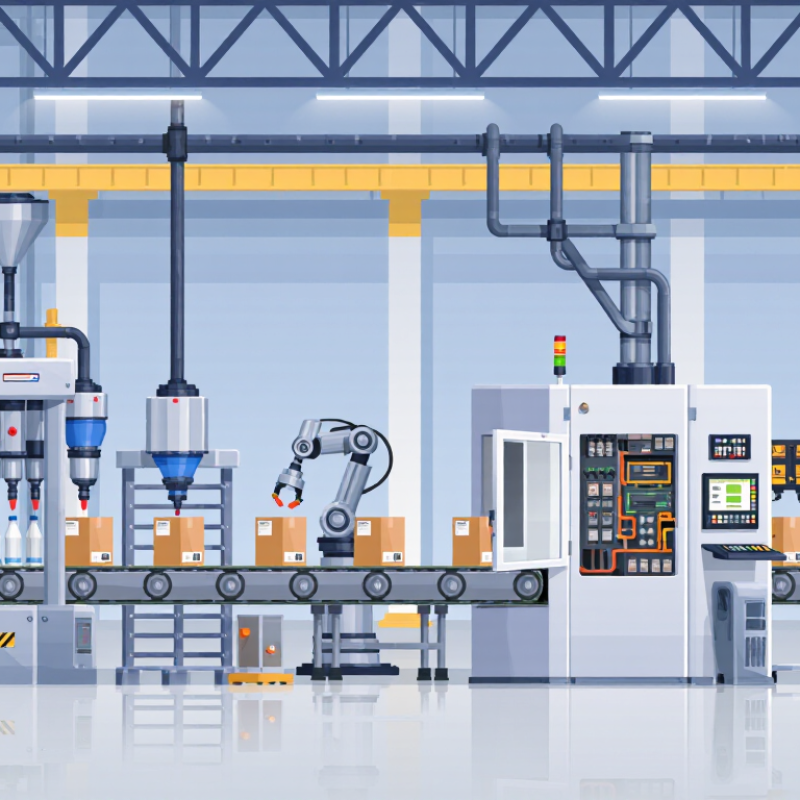
Packaging equipment moves products through controlled stages, from feeding to final inspection. Each machine supports a specific task, but the complete line must work as one system. The process begins when an infeed conveyor delivers products at a steady speed. Sensors detect gaps, position, and product presence. A controller adjusts timing when movement changes. Small errors can grow quickly.
A dosing unit measures the product by weight, volume, or count. The product then enters a pouch, carton, tray, or bottle. Forming tools shape the package around it. Sealing jaws apply controlled heat, pressure, or ultrasonic energy. Operators verify temperature, sealing pressure, and dwell time during production. Poor calibration may create weak seals or unnecessary material waste. That part is easy to underestimate.
After sealing, printers add batch details and production dates when required. Vision systems or checkweighers inspect position, weight, closure quality, and readable information. Packages outside the set limits are removed through a controlled reject process. The accepted products continue toward case packing or pallet preparation. Experienced operators record results and adjust settings carefully, rather than guessing. Changeovers require cleaning, format adjustments, and trial runs. A line may appear automatic, yet human judgment still matters. Equipment manuals, risk assessments, and maintenance records support reliable operation. In practice, even a well-designed line needs reflection after every shift.
Key Components and Packaging Processes
What Is Packaging Equipment and How Does It Work?
Packaging equipment is a coordinated system that prepares, fills, seals, labels, and checks products. Its main components include feeders, conveyors, forming units, filling heads, sealing jaws, sensors, and control panels. Each part handles a precise task. The conveyor keeps products moving at a steady speed. The feeder separates items before they reach the filling station. A forming unit shapes film or cartons around the product.
The packaging process usually begins with product loading. Powder, liquid, or solid items require different dosing methods. Augers can measure powder, while pumps control liquid volume. Solid products may use counting systems or weighing platforms. The material then enters a pouch, tray, bottle, or carton. Sealing jaws apply controlled heat and pressure. Temperature matters. Too much heat can weaken the package. Too little heat may create leaks.
Sensors monitor position, fill level, seal quality, and missing items. A programmable controller adjusts timing when conditions change. Checkweighers can remove packages outside the target range. Printers add dates, batch details, or traceable codes. In practical operation, small misalignments often cause larger delays than expected. Dust, moisture, and uneven product flow can affect accuracy. Regular cleaning and calibration reduce these problems, although they cannot eliminate every variation. Operators still need to inspect seals, listen for unusual sounds, and question readings that seem inconsistent. That human review remains important.
How to Choose and Maintain Packaging Equipment
What Is Packaging Equipment and How Does It Work?
Choosing packaging equipment starts with the product, not the machine catalog. Check product size, fragility, viscosity, packaging material, target speed, and cleaning needs. A line handling dry powder needs different controls from one filling sauces. PMMI’s 2023 State of the Industry report valued U.S. packaging machinery shipments at approximately $10.2 billion in 2022. That scale reflects strong demand, but bigger equipment is not always better. Excess speed can increase waste, jams, and operator fatigue. I have seen efficient lines underperform because changeovers were ignored during purchasing. Ask for realistic output, including stoppages and sanitation time.
Maintenance should begin before installation. Record baseline readings for temperature, vibration, air pressure, and cycle time. Follow the equipment manual, but also build a site-specific checklist. Inspect seals, belts, sensors, guarding, and electrical connections at fixed intervals. Keep critical spare parts nearby. A simple maintenance log often reveals patterns that alarms miss. The International Federation of Robotics reported 541,302 industrial robots installed worldwide in 2023. Automation is growing, yet skilled inspection remains necessary. Technology does not remove judgment.
Tips: Test the machine with real packaging materials. Measure five complete changeovers. Train operators on safe adjustments, cleaning, and fault reporting. Review downtime every week. Do not hide small failures; they usually become expensive ones. Reconsider the specification after three months of operation. Your first decision may need correction.
What Is Packaging Equipment and How Does It Work?
Packaging equipment automates stages such as filling, sealing, labeling, cartoning, and case packing. The chart shows representative operating speeds commonly used when comparing equipment capacity during the selection process.
How to choose and maintain it: Match the machine’s speed and format flexibility to actual production demand, then consider changeover time, product characteristics, safety requirements, spare parts, and cleaning access. Regular cleaning, lubrication where specified, inspection of seals and sensors, and calibration help maintain reliable performance.
Related Posts
-
Top 10 Packaging Equipment Suppliers for Global Buyers
-
Top 10 Packaging Equipment Manufacturers in China for Buyers?
-
Navigating Global Standards for Food Packaging Machines: A Comprehensive Guide to Export Certification
-
What is a Package Machine and How Does it Work?
-

Exploring Packaging Innovation: Highlights from the Record-Breaking 137th Canton Fair
-
Top Industrial Packaging Machines in China for Global Buyers?