A-B-C Blog
What Is a Palletizer Machine and How Does It Work?
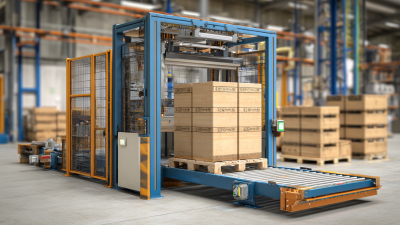
A Palletizer Machine is more than a fast robotic arm placing cartons on a wooden platform. It is a coordinated system that receives products, arranges them, and builds stable pallet loads for storage or transport. In a busy beverage plant, for example, cases may arrive every few seconds on a conveyor. Sensors detect their position, while software controls the forming pattern. The machine then stacks each layer with careful spacing and alignment.
It starts there.
John R. Henry, a recognized pallet-industry author and consultant, has said, “The pallet is the foundation of the unit load.” That idea explains why palletizing deserves more attention than it often receives. A weak pattern can create leaning stacks, crushed cartons, product damage, or unsafe handling conditions. A well-designed Palletizer Machine can improve consistency, reduce repetitive lifting, and support higher production rates. Its real value depends on the complete system, including conveyors, grippers, pallet dispensers, sensors, and control software.
The details matter.
This article will explain what a Palletizer Machine is, how its operating cycle works, and why different industries choose robotic, conventional, or hybrid designs. It will also examine pallet patterns, load stability, changeover time, maintenance, and workplace safety. Some descriptions make automation sound effortless. It is not. Product shape, packaging material, humidity, floor space, and operator experience can all affect performance. Even an advanced machine may need adjustment after installation. Understanding those limitations creates more realistic expectations and helps buyers select equipment that fits their actual production environment.
What Is a Palletizer Machine?
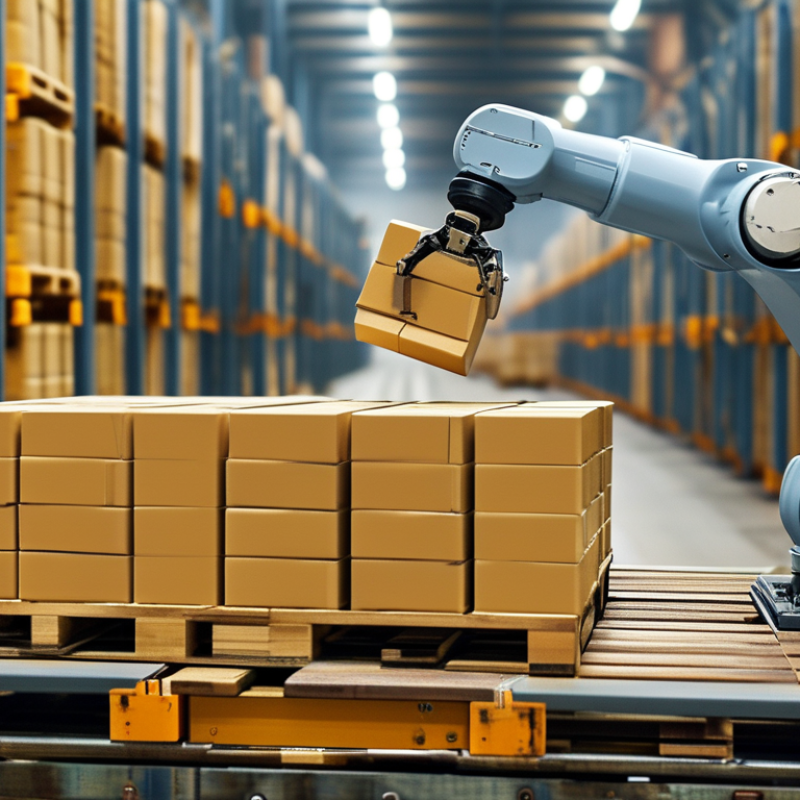
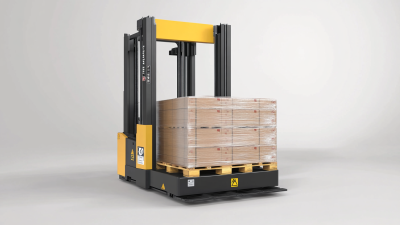
A palletizer machine is an industrial system that stacks packaged products onto pallets. It creates stable, organized loads for storage or transport. Unlike manual stacking, it repeats the same movement with controlled speed and consistent placement. Common designs include robotic arms, layer-forming systems, and high-level palletizers. Each type suits different production needs. The machine may handle cartons, bags, cases, or containers, depending on product size, weight, and packaging strength. A well-designed palletizer can reduce lifting work and improve workplace efficiency.
At its core, a palletizer uses conveyors, sensors, a gripping tool, and a control system. Products arrive on a conveyor, and sensors detect their position. The controller then directs the gripper to collect each item and place it in a programmed pattern. Some machines use vacuum tools, while others use clamps or forks. Correct alignment helps prevent leaning and uneven loads. Operators still need to inspect the result. A sensor may misread a damaged carton, and small errors can grow quickly. Real production is rarely perfect.
Tips: Check product dimensions before selecting a machine. Confirm that the pallet can support the planned load. Keep sensors clean and inspect gripping parts regularly. Test several stacking patterns with real packaging. Leave space for adjustments. Even experienced teams may need to refine settings after installation.
What Are the Main Types of Palletizers?
A palletizer machine arranges filled cases, bags, or cartons onto pallets for storage and transport. The main types are robotic, conventional layer, and gantry palletizers. Robotic palletizers use articulated arms, grippers, and vision sensors. They suit mixed products and frequent format changes. Conventional layer palletizers build a complete layer before placing it. They offer high throughput and repeatable patterns. Gantry palletizers move across overhead axes, making them useful for heavy loads and broad pallet layouts.
The right choice depends on speed, product shape, floor space, and required flexibility. The International Federation of Robotics reported 541,302 industrial robots installed worldwide in 2023. This figure shows strong automation demand, but it does not make every robotic palletizer economical. A layer system may perform better on a stable, high-volume line. A robotic cell may reduce changeover time. PMMI’s recent packaging machinery outlook also highlights labor availability and uptime as continuing investment pressures. Real factories still face dust, uneven cartons, and damaged labels. Small details matter.
Tips: Test the heaviest case first. Check pallet patterns with real packaging. Measure safe access space, not only machine dimensions. Ask for cycle-time data under production conditions. One weakness remains easy to miss: software flexibility can hide mechanical limits. A clever interface cannot fix poor carton stability.
| Palletizer Type | How It Works | Typical Throughput* | Best-Suited Products | Flexibility | Space Requirement | Main Advantages | Key Considerations |
|---|---|---|---|---|---|---|---|
| Conventional Layer Palletizer | Arranges products into complete layers and transfers each layer onto a pallet using mechanical plates, gates, or lifting devices. | Up to approximately 120 cases/min | Uniform cartons, cases, trays, bags, and shrink-wrapped packages with consistent dimensions. | Medium; best when packaging sizes and pallet patterns are relatively stable. | Medium to large | High speed, consistent pallet patterns, strong load stability, and reliable continuous operation. | Usually requires dedicated change parts or adjustments when product dimensions change significantly. |
| Low-Level Conventional Palletizer | Builds pallet loads at or near floor level by grouping products into rows and layers before placing them on the pallet. | Approximately 20–80 cases/min | Cases, cartons, bags, and containers in low- to medium-speed production lines. | Medium; suitable for a limited number of products and pallet patterns. | Medium | Lower installation height, comparatively accessible maintenance areas, and practical integration into existing lines. | Generally slower than high-level systems and may require more floor space for product accumulation. |
| High-Level Conventional Palletizer | Receives products at an elevated conveyor level, forms layers, and lowers or transfers them onto pallets positioned below. | Approximately 60–150 cases/min | High-volume cartons, cases, trays, and other rigid secondary packages. | Medium; optimized for repeatable products and established pallet patterns. | Large vertical and horizontal footprint | High output, efficient line flow, and effective use of elevated conveyor systems. | Higher initial installation complexity, greater guarding requirements, and more demanding access for some maintenance tasks. |
| Robotic Palletizer | A programmable robot uses a gripper or vacuum tool to pick individual products or groups of products and place them in programmed patterns. | Approximately 10–100 cases/min | Mixed cartons, cases, bags, trays, containers, and products requiring frequent format changes. | High; pallet patterns, product formats, and production sequences can be changed through software. | Small to medium, depending on reach and safety layout | Excellent flexibility, quick changeovers, compact cell options, and the ability to serve multiple pallet positions. | Payload, reach, gripper design, cycle time, and product orientation can limit performance. |
| Gantry Palletizer | A Cartesian gantry system moves a picking head along linear axes to collect and place products or complete layers onto pallets. | Approximately 20–100 cases/min | Cases, cartons, bags, and products with predictable dimensions and repeatable handling requirements. | Medium to high; programmable patterns are possible, but tooling and layout influence flexibility. | Medium to large, usually with a significant overhead structure | Accurate positioning, stable motion, scalable pallet positions, and suitability for heavy or repetitive loads. | Requires overhead clearance and careful structural planning; less adaptable than some robotic cells for irregular products. |
| Bag Palletizer | Uses mechanical pushers, layer-forming equipment, robotic arms, or a combination of systems to arrange flexible bags into interlocking pallet layers. | Approximately 15–80 bags/min | Woven bags, paper sacks, plastic bags, and other flexible packages containing granular or powdered products. | Medium; depends on bag dimensions, filled-bag stability, and the required pallet pattern. | Medium to large | Can handle heavy bags and create interlocked layers that improve pallet stability. | Bag deformation, inconsistent filling, dust, and package slippage can affect placement accuracy. |
| Depalletizer with Palletizing Function | A reconfigurable handling system can remove products from incoming pallets and, with suitable tooling and programming, build new pallet loads. | Application-dependent; commonly 10–60 cases/min | Reusable containers, cases, trays, and mixed handling operations where both loading and unloading are required. | High when equipped with programmable motion and interchangeable tooling. | Medium to large | Supports two-way material handling and can improve equipment utilization in multipurpose facilities. | System design is more complex, and the speed may be lower than that of a dedicated palletizer. |
| *Throughput figures are typical planning ranges rather than guaranteed ratings. Actual performance depends on product dimensions and weight, pallet pattern, packaging strength, infeed spacing, gripper design, safety requirements, and the number of pallets handled simultaneously. | |||||||
How Does a Palletizer Machine Work Step by Step?
A palletizer machine builds stable product loads on pallets by repeating a controlled sequence. According to the International Federation of Robotics’ World Robotics 2024 report, 541,302 industrial robots were installed worldwide in 2023. This wider automation trend also supports faster, more consistent pallet handling.
The process begins when cartons, bags, or cases leave the conveyor. Sensors confirm product position, size, and spacing. A control system then counts each item and directs it toward the forming area. Guides or robotic arms arrange products into a defined layer pattern. The machine may rotate cases to improve stability. Small errors matter.
A layer is transferred onto the pallet by an arm, lift table, or sweep mechanism. The system places each layer according to a programmed stacking pattern. It may add slip sheets between layers when loads need extra friction or separation. After reaching the target height, the pallet exits for wrapping or storage. MHI’s 2024 Annual Industry Report identifies robotics and automation as major responses to labor shortages and productivity pressure. Still, automation does not fix poor packaging design. A crushed carton, uneven pallet, or incorrect sensor setting can interrupt the entire line. Operators must check alignment, gripper pressure, pallet quality, and emergency controls during routine inspections. The last step is verification, not assumption.
What Components Make Up a Palletizing System?
A palletizing system is more than a robotic arm. It is a coordinated chain of mechanical, electrical, and software components. The product infeed conveyor controls spacing and speed. Photoelectric sensors detect each carton’s position. A programmable logic controller then sends timing signals to the robot, gantry, or layer-forming unit.
The end-of-arm tool is the system’s working hand. Vacuum cups suit smooth cartons, while clamps handle unstable or porous loads. A pallet dispenser places empty pallets at the loading point. Guides and alignment stops keep each layer square. Some systems add a slip-sheet applicator, stretch wrapper, barcode reader, and safety enclosure. These parts must communicate reliably. A small sensor error can create a leaning stack within minutes.
The International Federation of Robotics reported 541,302 industrial robot installations worldwide in 2023. Deloitte’s 2024 Smart Manufacturing and Operations Survey found that 86% of manufacturers expect smart manufacturing to become a major competitiveness factor within five years. These figures explain the growing interest in integrated palletizing. Yet automation is not automatically efficient. Poor carton data, uneven floors, or weak vacuum seals can reduce performance. No system is perfect. In real commissioning work, engineers often discover that product variation matters more than advertised cycle speed. A useful design review should test crushed boxes, dusty surfaces, and mixed pallet patterns before production approval.
Where Are Palletizers Used in Industry?
Palletizer machines are used across industries that move products in repeated cases, bags, trays, or cartons. They arrange these units onto pallets for storage or shipment. A conveyor feeds products into the machine. Sensors confirm position and spacing. A robotic arm or mechanical layer system then builds a stable pattern.
Food and beverage plants use palletizers after filling, labeling, and case packing. Their floors often contain wet areas, frequent washdowns, and strict hygiene controls. Palletizers also serve chemical, household goods, building materials, and pharmaceutical packaging facilities. In these settings, the machine must handle different package sizes without damaging corners or seals.
The demand for automation is growing. The International Federation of Robotics reported 541,302 industrial robot installations worldwide in 2023. This broader figure includes robots beyond palletizing, but it shows the scale of factory automation. PMMI industry research also identifies labor availability and production flexibility as major automation drivers. Palletizers address both needs, especially during long shifts.
Not every facility needs a robotic system. A high-speed line may require continuous layer formation, while a smaller plant could benefit from a compact, flexible unit. A faster cycle is not automatically better. Poor pallet patterns can cause leaning loads, crushed cartons, and delivery claims. Operators still need to check product weight, pallet quality, gripper pressure, and stretch wrapping. That human review remains important. Specifications can look perfect on paper, yet real packaging often behaves differently.
Related Posts
-
15 Best Pallet Dispenser Machines for Efficient Packaging Solutions
-

Quality Driven Food Packaging Equipment Innovating Chinese Manufacturing for Global Markets
-
How to Choose the Right Bottom Case Sealer for Your Business Needs
-

Exploring Packaging Innovation: Highlights from the Record-Breaking 137th Canton Fair
-
Mastering the Setup of the Best Automatic Carton Sealing Machine for Optimal Efficiency
-
Maximizing Efficiency: The Ultimate Guide to Choosing the Right Pallet Dispenser for Your Business