A-B-C Blog

What Is a Robotic Case Packer and How Does It Work?

A Robotic Case Packer turns a stream of products into neatly arranged shipping cases, using programmed motion instead of repetitive manual lifting. It may pick cartons, pouches, bottles, or trays, then place them into open cases in a set pattern. The exact setup depends on product shape, packaging speed, and available floor space.

The International Federation of Robotics’ World Robotics 2024 report counted 4.28 million industrial robots operating worldwide in 2023, a 10% increase from the previous year. That figure covers many industries, not case packers alone, but it shows how widely automated production has grown. IFR President Marina Bill described the trend: “The number of industrial robots in operation worldwide has reached a new record of about 4 million units.” The scale is striking.

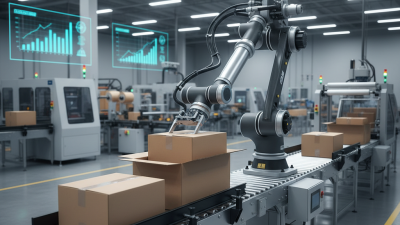
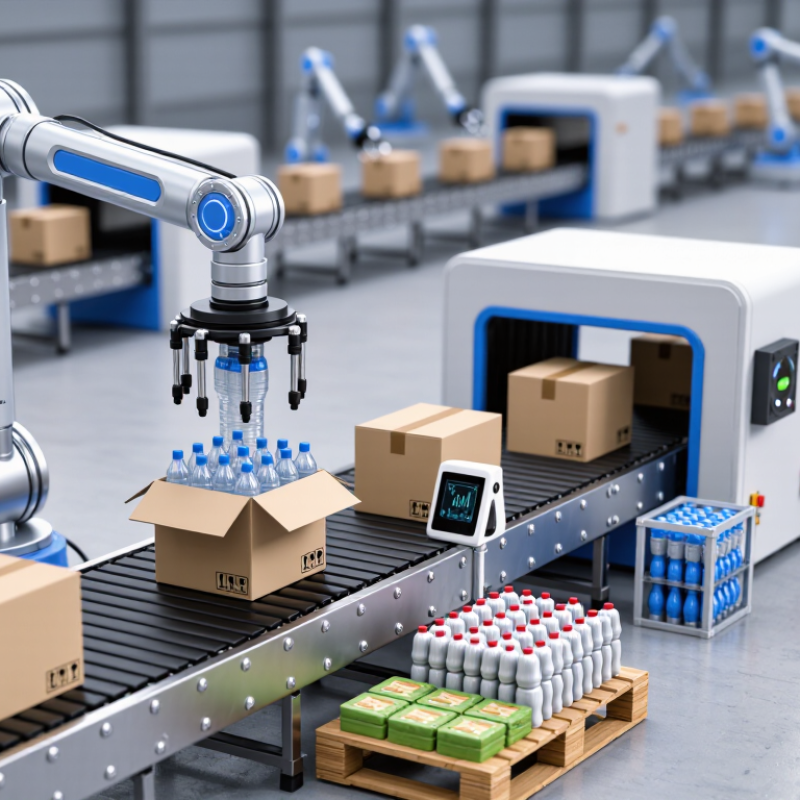
A typical case-packing cell combines a robot arm, gripper, case erector, sensors, and safety equipment. Products arrive on a conveyor. A vision system or sensor helps locate them, while the gripper picks and places each item into the case. The filled case then moves toward sealing and palletizing. Some systems use vacuum cups; others use mechanical fingers designed around the product. Small details matter: a slippery pouch can shift, while an uneven carton can disrupt a whole pick pattern. The machine is precise, but not infallible. Product changes, poor case quality, or rushed setup can still cause downtime. Understanding how the system works helps manufacturers assess where automation fits—and where careful testing remains essential.
What Is a Robotic Case Packer and How Does It Work?

Definition and Purpose of a Robotic Case Packer

A robotic case packer is an automated system that places products into shipping cases. It may use a robot arm, a gripping tool, sensors, and controls to pick up items and arrange them inside an open carton. The system’s purpose is practical: reduce repetitive manual handling and create consistent case patterns. Products can arrive in rows on a conveyor, while flat cartons are opened and positioned nearby. The robot grips each item or group, then places it according to a programmed layout. Sensors help check product position and case readiness. That is the basic job.

The scale of industrial robotics is growing, though broad figures should not be mistaken for case-packer counts. The International Federation of Robotics reported 4,281,585 industrial robots operating in factories worldwide in 2023, in its World Robotics 2024 report. Case packing is one specialized use within that larger field. In practice, the right setup depends on product weight, shape, packaging speed, and how often the case pattern changes. A gripper suited to firm cartons may not handle soft bags gently. Small details matter. Automation can improve repeatability, but it still needs careful setup, maintenance, and monitoring. And a robotic cell is not automatically the best choice for every production line.

Key Components of a Robotic Case Packing System

What Is a Robotic Case Packer and How Does It Work?

Key Components of a Robotic Case Packing System

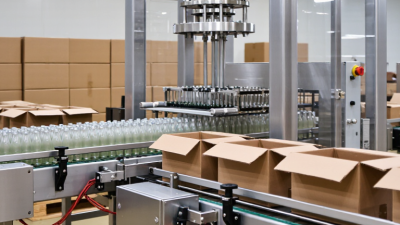
A robotic case packer places products into shipping cases using programmed movements and coordinated equipment. Packages arrive on a conveyor, where sensors detect their position and spacing. The robot then picks them up and loads them into an open case. Depending on the product, it may pack items individually or in grouped layers. Timing matters. A small delay can leave gaps or disrupt the next case.

Several components work together. The robot arm provides reach and repeatable motion, while its end-of-arm tool grips or supports each product. Vacuum cups suit smooth, lightweight packages; mechanical grippers can handle sturdier shapes. A case erector opens and squares each carton, and conveyors move products and cases through the packing area. Sensors check positions and may flag missing items. The control system coordinates these steps and can stop the line when a fault occurs. Guards and access doors help keep people clear of moving equipment. Case shapes vary, so setup often needs adjustment.

Tips: Match the gripping tool to the package surface and weight. Test with real products, including slightly misaligned ones. Check that cases arrive square and open. Small details count. A sensor can detect presence, but it cannot correct every loading issue. Review occasional jams before changing settings; the cause may be upstream.

What Is a Robotic Case Packer and How Does It Work? - Key Components of a Robotic Case Packing System

System Component What It Does How It Works in the Packing Process Key Considerations
Industrial Robot Moves products into cases using a programmed sequence of motions. The robot follows coordinates and movement paths set in its control system to pick products and place them in the required case pattern. Robot reach, payload, cycle rate, and the product’s size and weight must suit the application.
End-of-Arm Tooling Grips or supports products during pickup and placement. Attached to the robot wrist, the tool may use vacuum cups, mechanical grippers, or a custom fixture, depending on the product. Tooling should hold products securely without damaging them and should allow reliable release into the case.
Product Infeed Conveyor Delivers products to the robot’s pickup area. Products travel along the conveyor in a controlled flow; guides or spacing devices can help present them in a consistent position. Product orientation, spacing, and accumulation affect how consistently the robot can pick items.
Sensors and Vision System Detect products, case positions, or other conditions needed for accurate handling. Photoelectric sensors can detect presence or position. A vision system can identify product location or orientation when items are not presented in a fixed position. Sensor placement, lighting, product variation, and the required positioning accuracy influence system reliability.
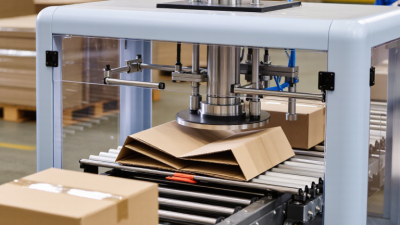
Case Erector and Case Magazine Stores flat-packed cases and forms them into open cases. The magazine holds flattened case blanks. The case erector picks or draws out a blank, opens it, and prepares it for loading. Case dimensions, board condition, and blank consistency affect case opening and feeding performance.
Case Positioning Fixture Holds an open case in the correct loading position. A fixture, guide, or conveyor stop locates the case so the robot can place products inside it with repeatable alignment. The fixture must accommodate the case format and provide clearance for the robot and its tooling.
Robot Controller and PLC Coordinate robot motion and communicate with other equipment. The robot controller runs motion instructions, while a programmable logic controller (PLC) can manage sequence logic and signals from conveyors, sensors, and case-handling equipment. Clear fault handling, interlocks, and communication between devices are important for coordinated operation.
Case Closing Equipment Closes and secures the filled case. Depending on the packaging process, the case may be closed with tape, adhesive, or another compatible closure method after loading. Closure settings must match the case material and format, and the case flaps should be properly positioned.
Safety Devices and Guarding Help protect people from hazards around moving machinery. Physical guards, safety-rated doors, emergency stops, and other risk-control devices can restrict access or stop motion when a hazardous condition is detected. Safety measures should be selected through a machine risk assessment and applicable local requirements.
Typical Operating Sequence Describes how the main components work together. Products arrive on the infeed conveyor; the robot picks and places them into an open case; the filled case moves to a closing station; the system then prepares the next case. Actual sequences vary with product type, case format, line layout, and the level of automation.

How the Case Packing Process Works Step by Step

A robotic case-packing cycle begins as products arrive on a conveyor. Sensors track their position and spacing, while a controller checks whether enough items have reached the pick area. Some systems use vision to confirm orientation. A missing or tilted product can change the pick pattern, so accurate detection matters.

The robot then grips a product or a prepared group. Depending on the package, it may use vacuum cups, mechanical fingers, or another suitable end effector. Meanwhile, a case-forming unit opens a flat carton and folds its bottom flaps. The robot follows a programmed path to place products inside, often arranging them in rows or layers. Small details matter. A flexible pouch can shift during handling, while a rigid carton usually holds its shape.

Once the case is filled, it moves to a closing station. Flaps are folded and secured with tape or adhesive, then the case travels onward for inspection or palletizing. Sensors can flag an open flap or a case that has not reached the expected position. Operators still need to check the setup when products or carton sizes change. A pattern that works well on paper may need adjustment on the line. The full cycle repeats as the next products and cases arrive.

Robot Types and End-of-Arm Tooling

What Is a Robotic Case Packer and How Does It Work?

Robot Types and End-of-Arm Tooling

Robotic case packers use different robot designs to place products into cartons. Articulated robots have several joints and can reach around nearby equipment. They suit varied product shapes and changing case patterns. Delta robots move quickly above a conveyor, making them useful for lightweight items. Collaborative robots can work near people in some layouts, but their speed and payload still need careful assessment. The best choice depends on reach, cycle time, product weight, and available floor space.

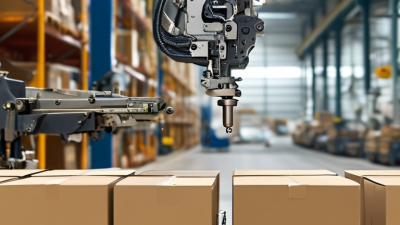
End-of-arm tooling, or EOAT, is the part that touches the product. Vacuum cups can lift flat cartons, pouches, or smooth packages. Mechanical grippers hold objects that are uneven or difficult to lift with suction. For grouped items, a clamp may pick up several products at once. Tool changers let a robot switch between tools, though extra changes can add setup and maintenance needs. Small details matter: a dusty package or slightly warped carton can weaken a vacuum seal.

Test real products. A gripper that works on a sample may struggle with slippery film or changing package sizes. Matching the tool to product surfaces, weight, and case arrangement helps prevent drops and jams. A clever gripper cannot fix every upstream issue, either. Inconsistent product spacing may still require conveyor adjustments, and those changes are easy to underestimate.

Common Applications and System Considerations

Robotic case packers serve food, beverage, personal-care, and household-goods lines, where products must be grouped and placed into shipping cases. A robot picks items from a conveyor, arranges them in a programmed pattern, and loads an erected case. It can handle mixed pack formats, but frequent changeovers need careful setup. Small cartons may shift or arrive unevenly.

The International Federation of Robotics’ World Robotics 2024 report recorded 4,281,585 industrial robots operating worldwide in 2023, with 541,302 installed that year. These figures show broad industrial adoption, not guaranteed savings for a particular packing line. Site conditions matter. Teams should check product weight, case dimensions, required cycle rate, and available floor space before selecting a system. A gripper that works well on rigid cartons may damage soft pouches or struggle with slippery packaging.

Integration deserves equal attention. The packer must coordinate with upstream conveyors, case erectors, and downstream sealing equipment. Sensors can detect missing products or poorly formed cases, while guarding and accessible maintenance points help support safe operation. Test real products, not just samples. Packaging can vary more than expected. And a technically fast robot may still cause bottlenecks if case supply or conveyor timing falls behind. Teams should also review changeover time, operator training, and access to spare parts; these practical details are easy to underestimate.