A-B-C Blog
10 Tips for Choosing Food Packaging Equipment
Food Packaging Equipment shapes more than the final look of a product. It affects line speed, package consistency, product protection, and the time operators spend correcting small faults. A pouch that seals unevenly or a carton that jams each hour can turn a promising production plan into a costly shift. These details matter.
Choosing equipment is rarely as simple as comparing quoted prices. The right decision depends on product texture, packaging material, target output, floor space, cleaning needs, and staff experience. A machine designed for dry grains may not handle sticky sauces well. A fast filler can still create bottlenecks if labeling or case packing cannot keep pace. Real operating conditions reveal the difference, and sometimes expose assumptions nobody questioned during a sales meeting.
This guide shares ten practical tips for evaluating Food Packaging Equipment, from checking capacity and changeover time to reviewing service support and future flexibility. Ask vendors to demonstrate equipment with your actual product and packaging whenever possible. Record output, waste, seal quality, and adjustment time; marketing claims alone are not enough. Small details count. Note how often operators need to clear jams, and whether routine cleaning is straightforward. Even a careful trial may miss something. Set clear acceptance criteria and include experienced operators in the decision. The best fit is not always the newest machine. It is the one your team can run reliably, maintain safely, and adapt as demand changes.
Define product, package format, and target output before comparing machines
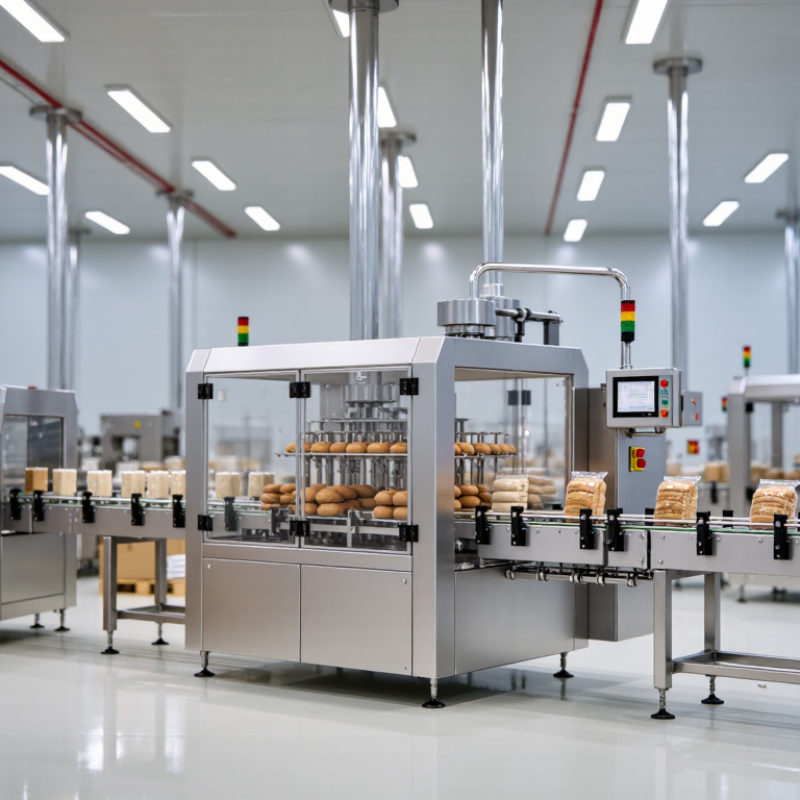
Before comparing machines, define the product, package format, and required output. A dry powder, sticky sauce, and fragile snack behave differently on a filling line. Record product temperature, viscosity, particle size, and whether it needs a seal, tray, pouch, or rigid container. Then specify output in saleable packs per minute, not just the machine’s advertised speed. Allow for changeovers, cleaning, and small stoppages. The gap can be surprising.
The FAO’s 2019 report estimated that 13.8% of food was lost between harvest and retail. Packaging equipment cannot solve food loss alone, but accurate filling and reliable seals can help protect product quality. Test candidate machines with your actual product and packaging materials. Watch for crumbs trapped in seals, leaking corners, or containers that tip at the infeed. Include the operators who will clean and adjust the equipment; their feedback often catches awkward access points early. It is easy to overlook this.
Finally, compare output at your real operating conditions, including planned shifts and expected downtime. The PMMI report, 2024 State of the Industry, identifies workforce challenges as a factor shaping packaging operations. A line that depends on constant manual intervention may miss its target. Check whether the quoted rate includes feeding, inspection, and downstream packing. I would still question any forecast built on perfect uptime. Make the assumptions visible before choosing the machine.
Set line capacity using packs per minute and OEE: availability × performance × quality
When sizing food packaging equipment, start with saleable packs per minute, not the machine’s headline speed. OEE multiplies availability, performance, and quality. If a line runs at 120 packs per minute, with 90% availability, 90% performance, and 98% quality, effective output is about 95 good packs per minute. That gap matters. Short stops, film changes, rejected seals, and product jams all reduce real capacity.
Deloitte and the Manufacturing Institute’s 2024 study projects that 1.9 million U.S. manufacturing jobs could go unfilled by 2033. For packaging planners, this reinforces the value of equipment that operators can change over and maintain reliably. PMMI’s 2023 State of the Industry report also examines workforce and operating pressures facing packaging machinery users. Treat those findings as context, not a substitute for your own shift data.
Use several weeks of production records to estimate each OEE factor, including difficult products and cleaning periods. If demand is 90 good packs per minute and expected OEE is 70%, the line needs a rated speed near 129 packs per minute. Add a practical buffer, but question oversized specifications: extra speed cannot fix chronic downtime. A common 85% “world-class” OEE benchmark, cited in Vorne’s OEE guidance, is not a safe assumption for every plant. Your baseline may be lower. That is worth admitting.
Verify food-contact materials against FDA 21 CFR Parts 174–178
Tips: Map every surface that may contact food, including belts, seals, hoses, and chute coatings. Identify each material by its exact grade, not simply as “plastic” or “metal.” FDA 21 CFR Parts 174–178 cover food-contact substances and permitted uses. The relevant section depends on the material and its function. Details matter.
Check that supplier documentation names the substance and cites the applicable regulation, such as the relevant polymer or coating section. Confirm the intended food type, contact temperature, and exposure time match the equipment’s actual use. A statement saying “FDA compliant” alone is not enough. Ask for supporting records. Keep them with the machine’s maintenance file.
Tips: Review replacement parts, too. A new gasket or conveyor belt can change the material in the food zone. Recheck documentation after repairs or process changes, especially when heat or oily foods are involved. Regulatory fit is specific. It is easy to overlook a small seal. Paperwork can lag behind a change, so pause and verify before restarting production.
Assess hygienic design, cleaning needs, and ISO 22000:2018 controls
Choose food packaging equipment by how well it can be cleaned, not by appearance alone. Inspect product-contact surfaces, welds, seals, and frame joints for cracks or gaps that could trap residue. Check whether operators can reach belts, filling nozzles, and undersides without awkward tools. Small gaps matter. Ask suppliers for cleaning instructions, validated procedures, and records showing that cleaning works under your actual production conditions. A shiny surface is not proof of hygienic design.
The World Health Organization’s 2015 report, Estimates of the Global Burden of Foodborne Diseases, estimated 600 million illnesses and 420,000 deaths from contaminated food each year. That scale makes routine controls important. ISO 22000:2018 provides a food safety management framework, including prerequisite programmes, hazard analysis, and verification; it does not certify that a particular machine is hygienic. Check how equipment supports your site’s documented controls, traceability, and cleaning records. During a line review, consider washdown access, water drainage, and the time needed to reassemble parts. Even equipment that looks easy to clean may be awkward to service during a busy shift. That deserves a realistic trial.
Compare lifecycle cost, service support, and factory acceptance testing criteria
A low purchase price can hide expensive years of operation. Compare total lifecycle cost over a realistic planning period, not just the quotation. Include installation, operator training, energy use, packaging materials, routine maintenance, and likely downtime. Ask suppliers to identify wear parts and their replacement intervals. A few minutes of stoppage each shift can add up. That matters.
Service support deserves the same scrutiny as machine speed. Ask who handles troubleshooting, how quickly support is available, and which spare parts are stocked nearby. Request typical response and repair times, not just a promise of “fast service.” Check whether maintenance staff can access clear manuals and diagnostic tools. If your production schedule changes, confirm how service coverage works outside standard hours.
Factory acceptance testing should use your actual product and packaging wherever practical. Define pass criteria before the test: sustained output, seal quality, reject rate, changeover time, and safe operation. Test the machine across several cycles, including a product changeover; a brief demonstration may miss recurring faults. Record results, open issues, and who must resolve them before shipment. Test real product. A checklist helps, but it cannot capture every factory condition. Review any gaps between the test setup and your own line, and decide whether additional testing is worth the cost.
Related Posts
-
How to Choose the Right Bottom Case Sealer for Your Business Needs
-
Top 10 Packaging Equipment Manufacturers in China for Buyers?
-

Exploring Packaging Innovation: Highlights from the Record-Breaking 137th Canton Fair
-
What Is a Case Packer Machine and How Does It Work?
-
Innovative Applications of Best Bottom Case Sealer in Global Packaging Solutions
-

How to Choose the Best Bottom Case Sealer?